In a world where notifications ping incessantly, screens glow around the clock, and the mind is pulled in a thousand directions, silence has become a vanishing resource. We live in an age of overstimulation—a constant barrage of information, responsibilities, and digital noise that leaves little room for genuine mental rest. Even our attempts to unwind, like scrolling through phones before bed or squeezing in rushed meditation sessions, often add layers of subconscious clutter. Sleep becomes fractured, anxiety lingers, and the brain rarely experiences true respite. Yet, emerging science and ancient wisdom alike suggest that absolute silence isn’t just a luxury—it’s a biological necessity. This article explores why profound stillness is the ultimate reset button for our overwhelmed minds and how modern solutions like float therapy are compressing weeks of mental detox into a single, transformative hour.
The Overstimulated Brain: A Modern Crisis
Our brains evolved to process limited stimuli, but today’s world floods them with data: emails, social comparisons, news cycles, and algorithmic content designed to hijack attention. Chronic overstimulation triggers stress cortisol spikes, reduces neuroplasticity, and keeps the amygdala—the brain’s fear center—in a state of hyperarousal. Even during sleep, fragmented REM cycles and “blue light hangovers” prevent cognitive recovery. The result? A mental fog where creativity dims, emotional resilience crumbles, and the nervous system remains stuck in survival mode. Silence isn’t merely about reducing noise; it’s about resetting the brain’s default mode network, which processes introspection, memory consolidation, and emotional regulation—functions stifled by relentless external input.
Why Meditation Alone Can’t Save Us
While meditation has surged in popularity, its practice often collides with reality. Sitting in stillness for 20 minutes sounds simple—until pings from devices, household chores, or racing thoughts hijack the process. Even structured retreats demand days of commitment, a luxury few can afford. Worse, partial silence leaves the subconscious half-listening for disruptions, like trying to nap beside a ticking clock. The brain never fully powers down, perpetuating low-grade stress. True restoration requires an environment where external stimuli—light, sound, gravity—are eliminated entirely. This is where conventional methods fall short: they’re whispers in a hurricane. We need a vacuum of distraction to reset.
Float Therapy: Silence Distilled
Imagine slipping into a weightless cocoon, suspended in body-temperature water saturated with 1,000 pounds of Epsom salt. Magnesium sulfate permeates the skin, easing tension at a cellular level. No light. No sound. No gravity. This is sensory deprivation floating—a “time machine” for the mind. Within minutes, the brain shifts from beta waves (alertness) to theta waves (deep meditation), accessing states typically reserved for monks or lucid dreamers. The magnesium-rich salts dissolve physical tension, while the absence of sensory input allows the psyche to unravel knots of stress stored in tissues and thoughts. An hour here equates to days of traditional meditation, not by rushing the process, but by removing every barrier to depth. It’s silence, distilled.
Rebirth in the Void
In absolute silence, the mind isn’t empty—it becomes a laboratory for transformation. Studies show float therapy increases dopamine production, enhances problem-solving, and reduces chronic pain by up to 60%. Without distractions, the brain naturally organizes fragmented thoughts, integrates subconscious material, and taps into what mystics call “the authentic self.” This isn’t escapism—it’s a radical homecoming. Each float session acts as a systems update: trauma is purged, perspectives shift, and resilience hardens. Participants report feeling “reborn” into a lighter, more creative version of themselves—proof that silence isn’t the absence of noise, but the presence of limitless potential.
In chasing productivity, we’ve forgotten that the mind, like a wild river, needs stillness to reflect the sky above. Silence is the unseen scaffold for mental health, creativity, and spiritual growth—a resource as vital as clean air. Float therapy and similar modalities aren’t indulgences; they’re antidotes to the toxicity of modern overstimulation. By prioritizing pockets of absolute stillness, we don’t just recharge—we rewrite our relationship with stress, rediscover buried wisdom, and reclaim the clarity that noise once stole. The quietest rooms, it turns out, hold the loudest transformations.
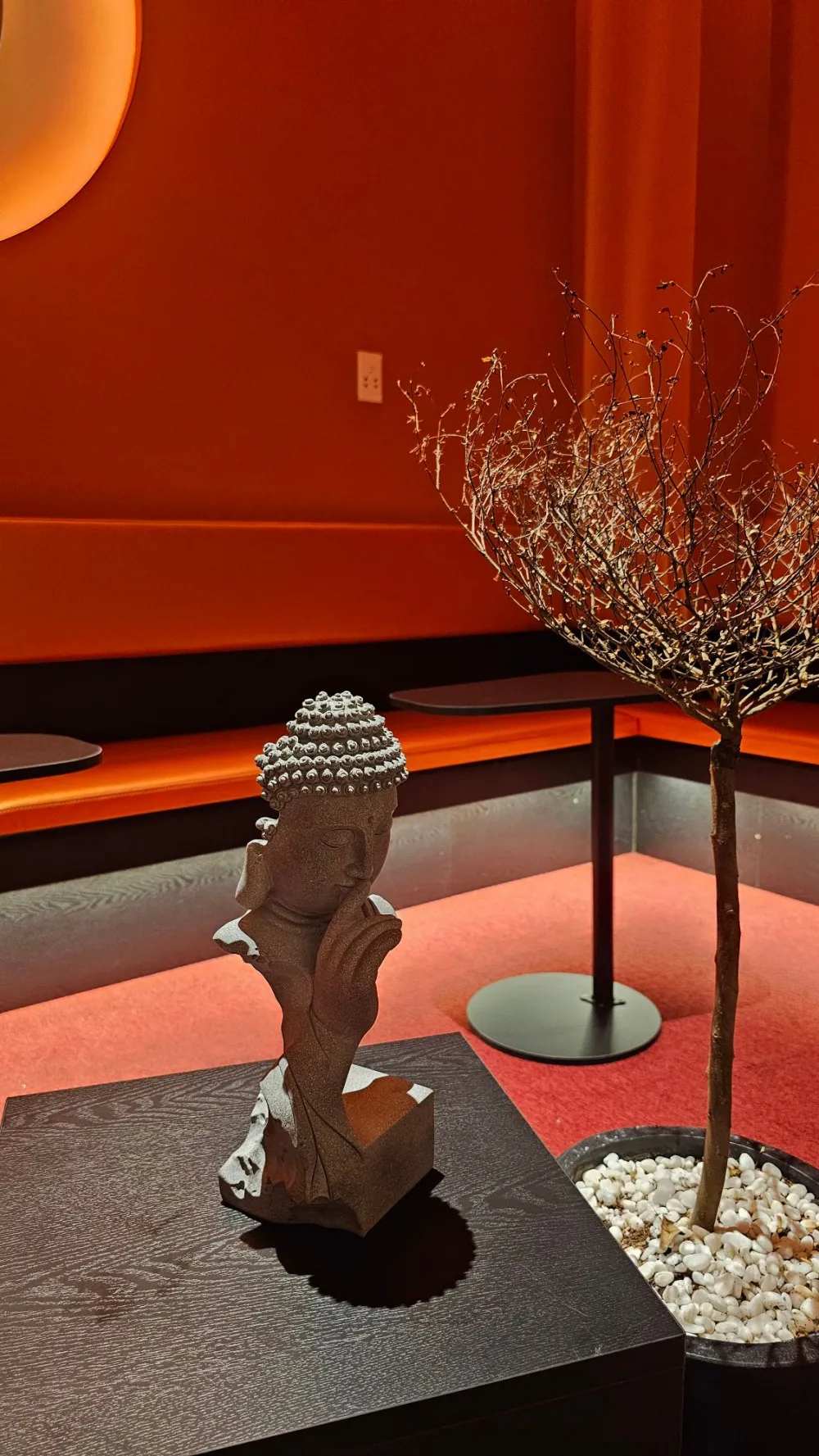
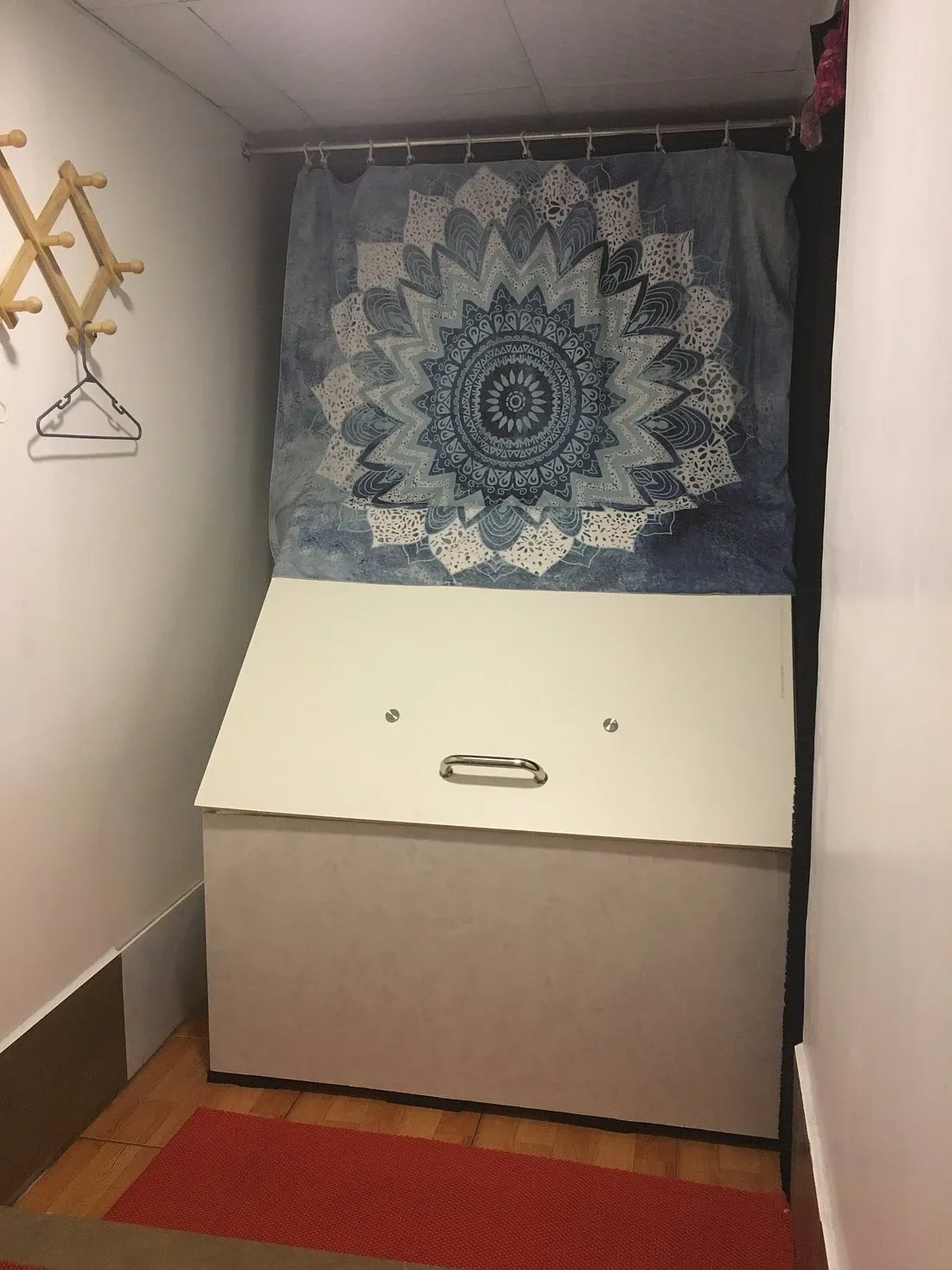
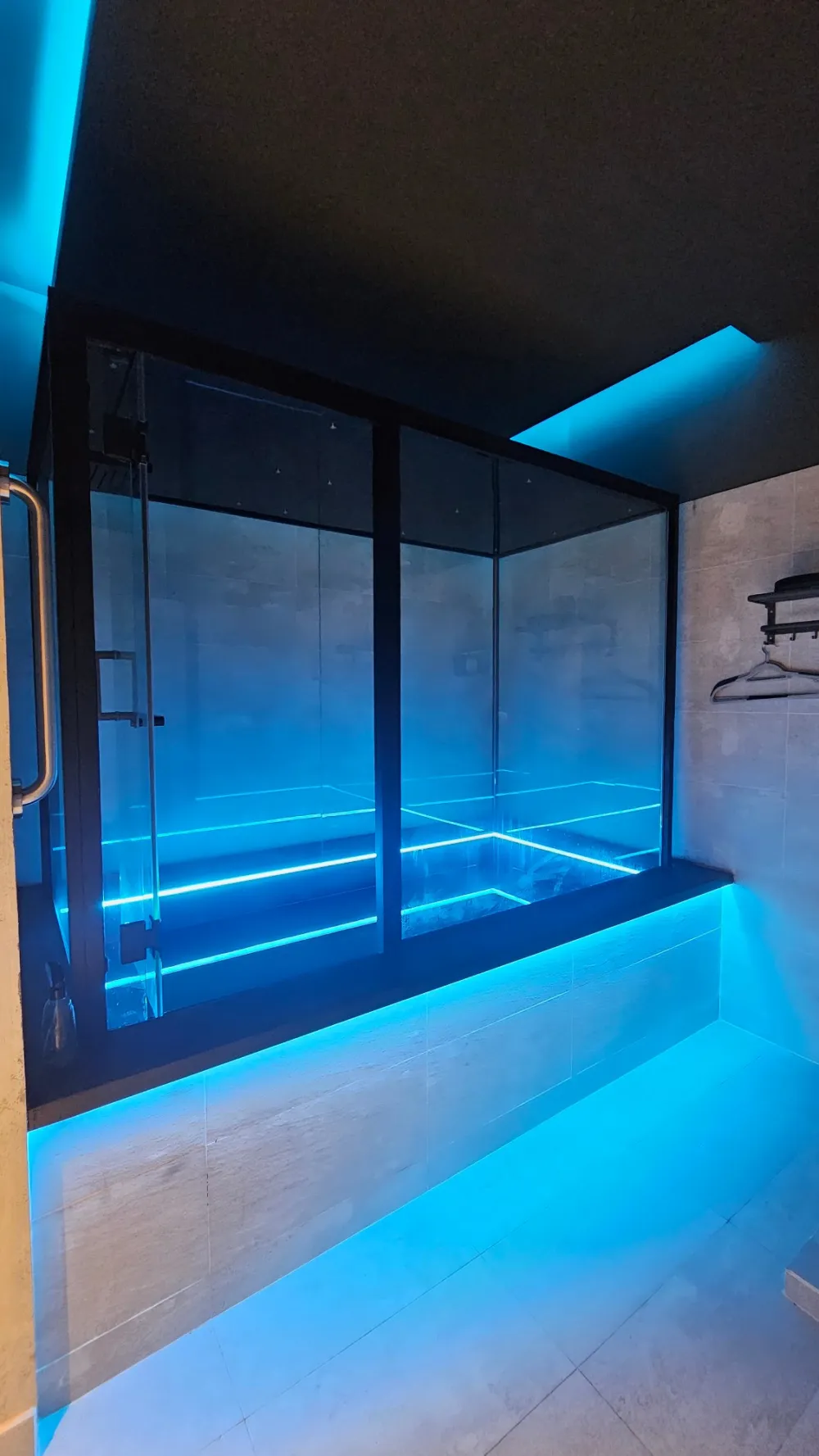
Floating relaxed under soft blue light (illustration based on the Ōmni Space interior)A quiet corner of the Ōmni Space lounge (real photo at Ōmni Space)
Want to try it yourself? Float Vietnam’s float rooms are at Ōmni Space, 16C Quoc Huong, Thao Dien, Ho Chi Minh City (Saigon), open daily 9:00–21:00. Book a float or read our float therapy FAQ first.
Frequently asked questions
Why is silence important for the brain?
Silence helps reset the brain’s default mode network, which handles introspection, memory consolidation and emotional regulation. Constant stimulation stifles these functions and keeps the nervous system in survival mode.
Is float therapy better than meditation for an overstimulated mind?
Float therapy removes every external stimulus, including light, sound and gravity, so the brain can reach deep theta states during the session, which is hard to achieve with partial silence at home.
What happens to your brain during a float?
Within minutes the brain shifts from alert beta waves to deep meditative theta waves, while the magnesium rich salt water helps dissolve physical tension.