Key takeaways
- Many people with ADHD describe constant sensory overload; a float tank removes almost all of it for an hour.
- Floating reliably lowers stress and anxiety and helps sleep, which can make ADHD symptoms easier to manage.
- There is little research on floating for ADHD specifically. It is a supportive tool, not a treatment.
Quick answer: Float therapy is not a treatment for ADHD, but many people with ADHD find it one of the few places their mind can truly slow down. By removing light, sound and physical sensation, floating reduces sensory overload, lowers stress and improves sleep, which can make everyday symptoms easier to handle.
Why floating can feel different with ADHD
- Relief from sensory overload: no noise, no light, no touch. For a brain that notices everything, this can feel like finally getting quiet.
- No pressure to sit still: meditation is often hard with ADHD because the body wants to move. In the water there is no posture to hold, so restlessness tends to fade.
- Calmer stress system: floating lowers stress and anxiety, which often run alongside ADHD and make focus harder.
- Better sleep: sleep problems are common with ADHD; many floaters sleep more deeply after a session.
What we know and don’t know
Research on floatation-REST shows consistent reductions in stress and anxiety and improvements in mood (for example Feinstein and colleagues, 2018). There are very few studies of floating specifically for ADHD, so claims that it “treats” ADHD are not supported. Experiences shared by floaters with ADHD are encouraging, but they vary a lot from person to person.
Tips for your first floats
- Expect the first session to feel restless. That is normal; most people settle more quickly by the second or third float.
- Keep the light on or the door open at first if total darkness feels like too much.
- Try counting breaths or following a body scan to give the mind something simple to do.
- Keep taking any treatment prescribed by your doctor. Floating is an addition, not a substitute.
Note: This page is for general information. Float therapy supports wellbeing but does not replace diagnosis or treatment by a doctor. If you have a medical condition, ask your doctor before floating.
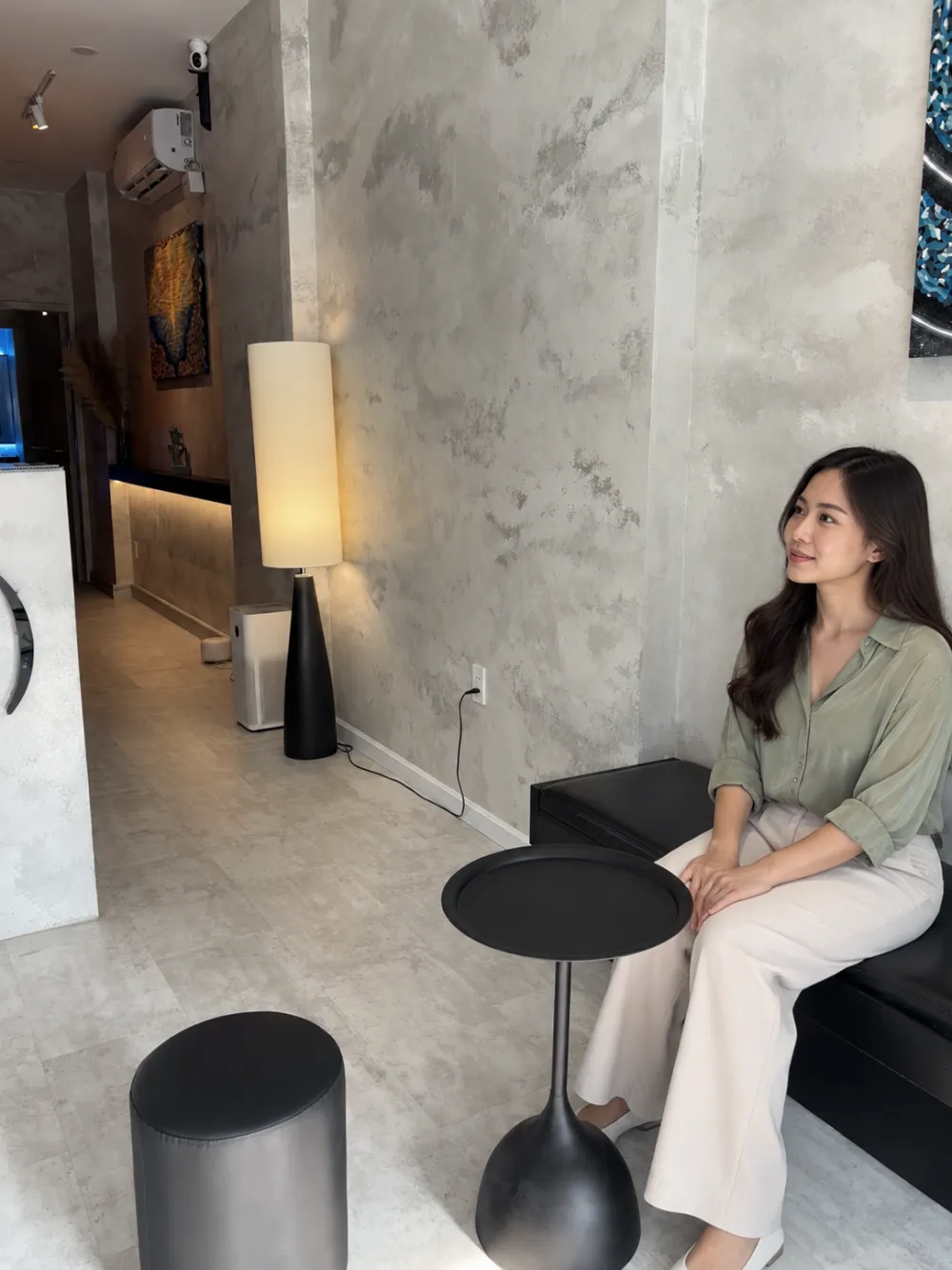
Try it at Ōmni Space. Float Vietnam’s float rooms are at 16C Quoc Huong, Thao Dien, Ho Chi Minh City (Saigon), open daily 9:00–21:00. Book a float or read the float therapy FAQ.
Frequently asked questions
Can float therapy help ADHD?
Floating does not treat ADHD, but many people with ADHD find it reduces sensory overload, stress and restlessness and helps them sleep, which can make symptoms easier to manage.
Will I be able to stay still in a float tank with ADHD?
Usually yes. There is no posture to hold, so restlessness tends to fade after the first 10–20 minutes. The first float can feel fidgety; the next ones are often much calmer.
Is floating safe for children with ADHD?
Children can float with a parent’s consent and supervision at centres that allow it. Ask your child’s doctor first and start with a short session.