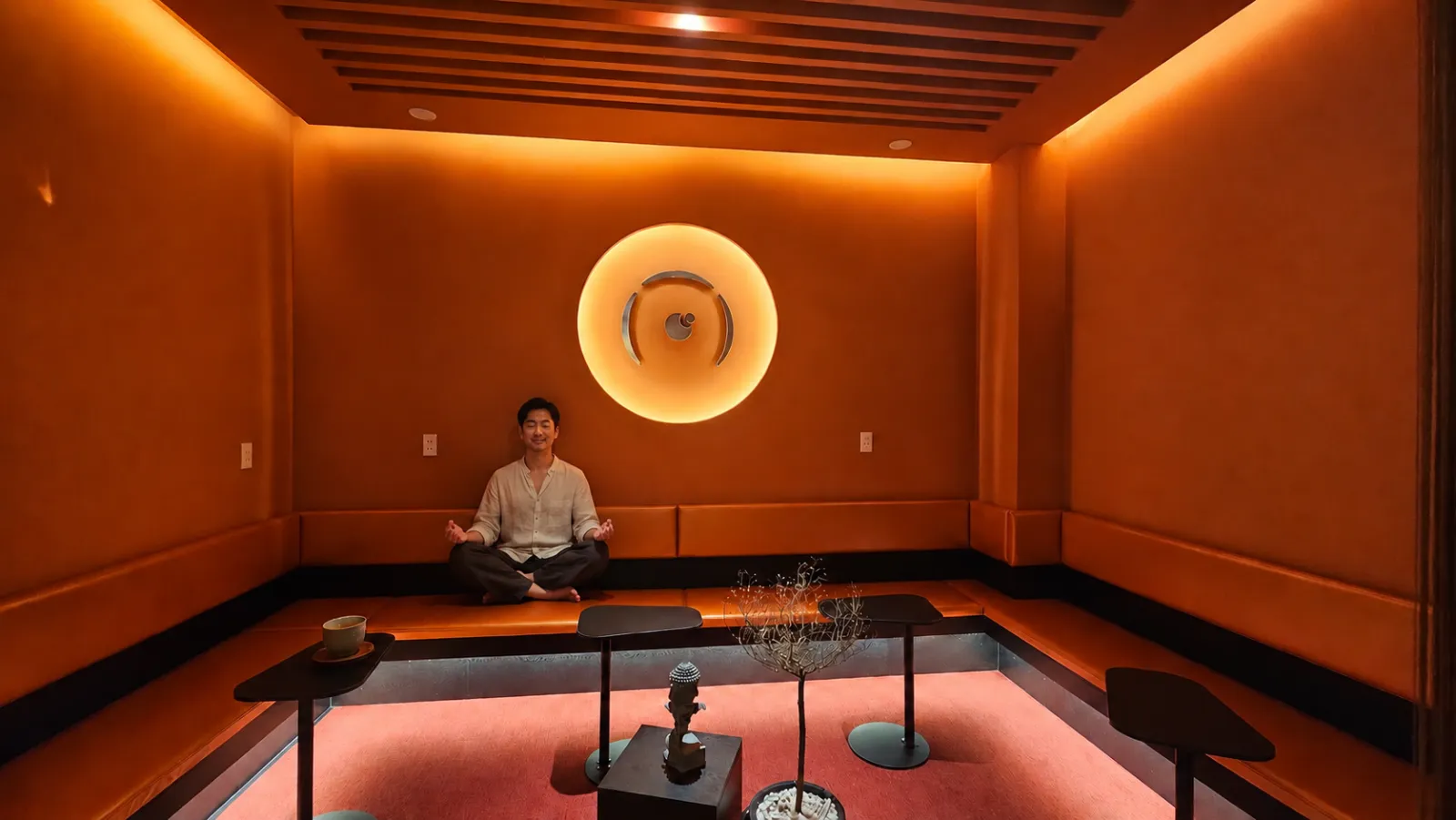
The float tank is an ideal environment for deep meditation. Most of us have never experienced prolonged periods of this mental state, but a float or two will typically open the door for deeper exploration. This blog is for the intermediate floater who is looking to find methods of reaching this meditative (Theta) mindset as quickly as possible. These methods are also very helpful outside of the tank and can be important tools for mental relaxation.
Source:
Breath Awareness:
This is the first step for beginning meditation and as far as I’ve researched, it seems to be universally employed in all of the different religions/faiths that emphasize meditation all over the world. The idea in breath awareness is to distract the mind from thoughts, words and/or images by focusing all of your attention to the natural rhythms of the body. To practice breath awareness in the tank, simply breathe in as deep as possible through the nose, pause a few seconds (not holding the breath but allowing it to flow through the body before exhaling) and then fully exhale all the while focusing your attention on the process. When thoughts inevitably arise, don’t resist them. Simply let them pass like a cloud moving through the sky and gently return your awareness to your breathing.Body Awareness:
This technique should be practiced after some time is spent on breath awareness and the floater has a good grasp of meditative breathing. When ready, on the count of one, breathe in deeply and direct your complete attention to a very specific area of the body (we’ll start with the center of the forehead). When concentrating on this body part, try your best to focus the entire essence of your very being into the area; all aspects of your perceived self, body, mind and spirit. Exhale completely holding attention to the area, then inhale on the count of two and move your awareness to the nose. Repeat this exercise as you move to the mouth, throat, left shoulder, left elbow/wrist/hand/fingers, return back to the throat and repeat for the right arm side, return to throat and move to the lower parts of the body: chest, abdomen, pelvis, left hip/knee/ankle/foot/toes, return to pelvis, move down the right leg side. Return up through the center of the body to reach the forehead and relax deeply. You should count somewhere in the vicinity of sixty breaths to completely move through the body. When successful, you’ll find that sensation and/or visualizations arise in the area of the body you’re focusing on and deep relaxation sets in.Visualization meditation:
This practice is best employed in conjunction with breath/body awareness and if done correctly, will only intensify the effects of the previously mentioned techniques. When doing your breath awareness exercise, add a visual component such as light to help hold your attention and enrich the experience. With each inhalation, imagine pure white light entering in through the left nostril and moving throughout all the regions of the body. During the pause before exhaling, imagine all of the negative aspects of your physical/mental self (toxins, delusion, negative thoughts/emotions) as an internal dark gray or blue or brown cloud being purified by the white light and changed to a radiant golden color. Then exhale through the right nostril, picturing the golden light being expelled back into the physical world. Assign a smell to the light if you wish. Imagine music that accompanies it. After ten to twenty minutes of repeating this, change the flow of breath from the left nostril to your right and repeat the exercise. Continue in this way until you reach deep relaxation. Again, gently dismiss all arising thoughts, and you will enter into deep meditation easily without having noticed.
Try it at Ōmni Space. Float Vietnam’s float rooms are at 16C Quoc Huong, Thao Dien, Ho Chi Minh City (Saigon), open daily 9:00–21:00. Book a float or read the float therapy FAQ.
Frequently asked questions
What is the best meditation to do in a float tank?
Breath awareness is the best place to start. Once your breathing feels steady you can add a slow body scan, and later a light visualisation timed with the breath.
How long does a body scan take in the tank?
Moving one point per breath from the forehead through the arms, torso and legs and back up takes around 60 breaths, usually about 10 minutes.
Can I use these meditation exercises outside the float tank?
Yes. All three exercises work in ordinary sitting or lying meditation at home. The tank simply makes it easier to stay focused because there are fewer distractions.