Floating is Not a Spa Session
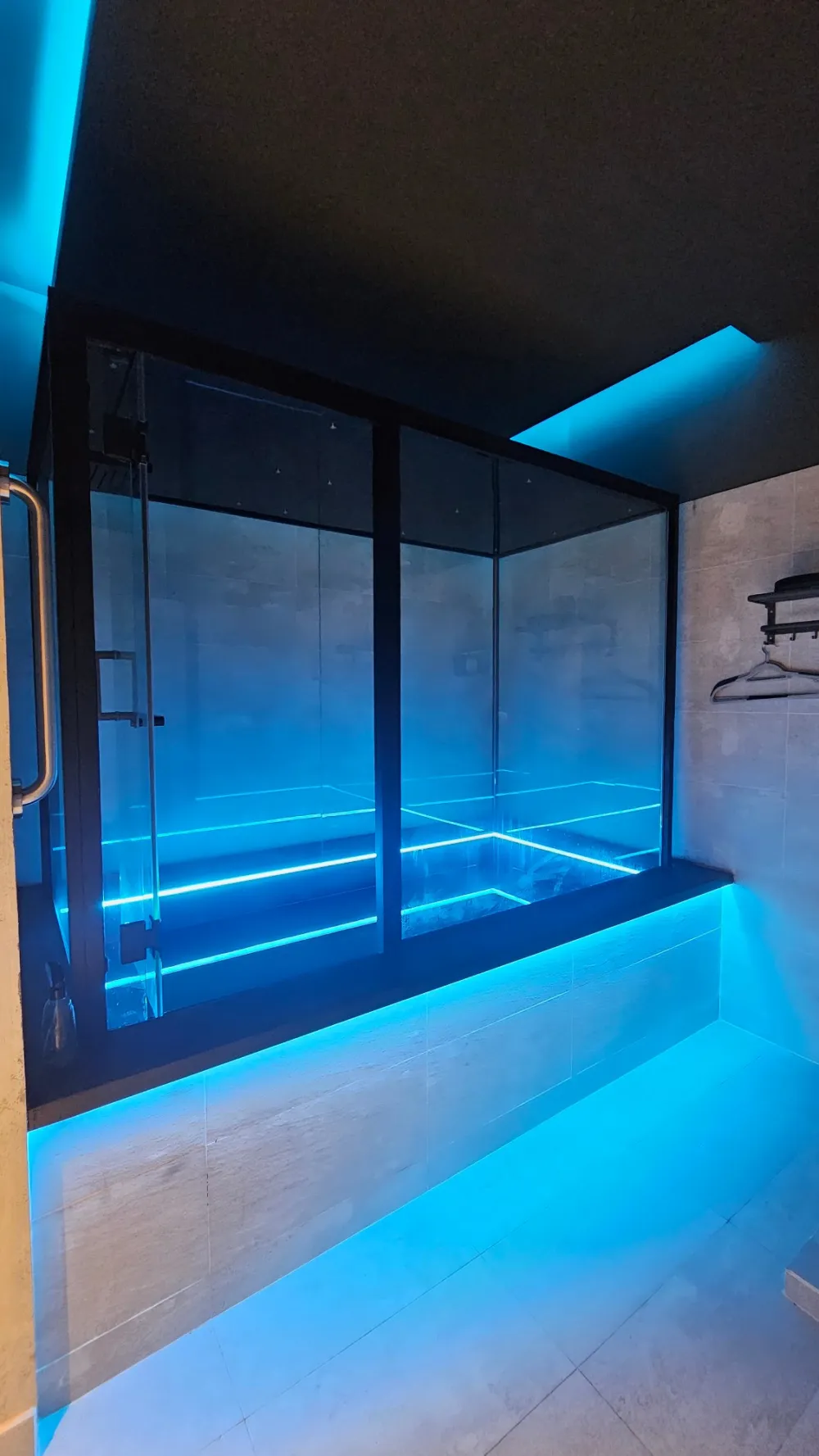
When you come to float, it’s important to know that you’re not coming to enjoy a spa-like experience. This isn’t about pampering your body with a massage, indulging in sensory pleasures, or seeking surreal, dreamlike hallucinations. It’s not comparable to more traditional forms of relaxation or entertainment like a nice meal, a massage, or even recreational drug use. In fact, floating isn’t about sensory fulfillment at all—it’s about sensory deprivation. The term “sensory deprivation” describes the core of the float experience. It’s not about maximizing bodily pleasure or creating an instantly gratifying sensation. It’s about allowing your body and mind to disconnect from external stimuli and enter a state of deep introspection, focus, and healing. The silence, the dark, and the buoyancy are all meant to remove distractions so you can focus on what’s really going on internally.Floating as Therapy: Healing the Body and Mind
A float session can be challenging. In some instances, you might encounter feelings of discomfort, emotional tension, or even the resurfacing of past trauma. The float room doesn’t always offer an immediate sense of pleasure or satisfaction, and that’s where its therapeutic potential lies. Floating isn’t a quick fix or an entertainment session; it’s a tool for long-term mental and physical health. For some, the float tank is a place to work through fears or anxieties. For others, it’s an opportunity to confront and resolve deep-rooted pain or improve posture and balance. The experience can be uncomfortable, even unenjoyable at times, but this discomfort is often part of the healing process. In this way, floating is more like a medicine than a momentary pleasure. It asks you to face what’s unresolved within yourself and deal with it in a way that other forms of therapy might not.The Post-Float Benefits
The real value of float therapy is not in the immediate sensations during or after the session, but in the benefits that emerge in the hours, days, or even weeks that follow. Floating has been shown to help with a variety of issues, including stress reduction, pain relief, enhanced creativity, and improved emotional regulation. The tank becomes a space where your mind and body recalibrate, and this recalibration leads to lasting improvements in your overall well-being. Many people find that over time, regular float sessions help them reduce their reliance on other forms of sensory stimulation or external validation. They become less focused on seeking temporary pleasures and more centered in their day-to-day lives. Those who commit to float therapy as a practice, rather than a one-time event, often experience profound changes in their emotional resilience, self-awareness, and physical health.Float as a Long-Term Commitment
For those unfamiliar with floating, it may seem like a one-off experience, something to try out of curiosity. But floating is best understood as a practice, much like yoga or meditation, where the full benefits reveal themselves over time. Consistency is key. After floating regularly, many find that their minds are quieter, their bodies more aligned, and their emotions more stable. This level of inner peace and balance is difficult to achieve in our overstimulated, fast-paced world. Floating allows you to disconnect from external demands and reconnect with your inner self. In that stillness, you find the clarity and calm that’s often missing in everyday life. It’s this long-term transformation—both physical and mental—that makes floating a powerful therapy for those willing to commit.After thought
The real value of float therapy lies beyond the tank itself. It’s a therapeutic tool, a medicine for both mind and body, that brings long-term benefits to those who commit to the practice. While a float session can sometimes be uncomfortable, it is in these moments of discomfort that the most profound healing and growth occur. Floating isn’t about sensory indulgence; it’s about creating space for your inner world to heal, recalibrate, and thrive. So, if you’re ready to embark on a journey of self-discovery and lasting well-being, float therapy may be the answer you’ve been searching for. Embrace the stillness, face what lies within, and let the real value of float therapy unfold in your life.
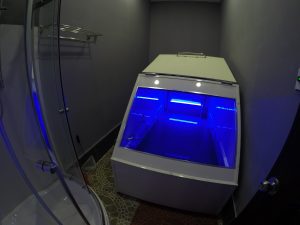
Try it at Ōmni Space. Float Vietnam’s float rooms are at 16C Quoc Huong, Thao Dien, Ho Chi Minh City (Saigon), open daily 9:00–21:00. Book a float or read the float therapy FAQ.
Frequently asked questions
Is float therapy the same as a spa treatment?
No. Floating is about sensory rest rather than pampering: it removes light, sound, touch and gravity so the body and mind can switch off and turn inward.
Why can a float session feel uncomfortable?
Without distractions, restlessness, tension or old memories can surface. This is common and usually eases with practice; if it feels overwhelming, combine floating with support from a therapist.
How often should you float to see benefits?
Float Vietnam suggests 2–3 floats a month for the first two or three months, then 1–2 a month after about ten sessions. Benefits tend to build with consistency.