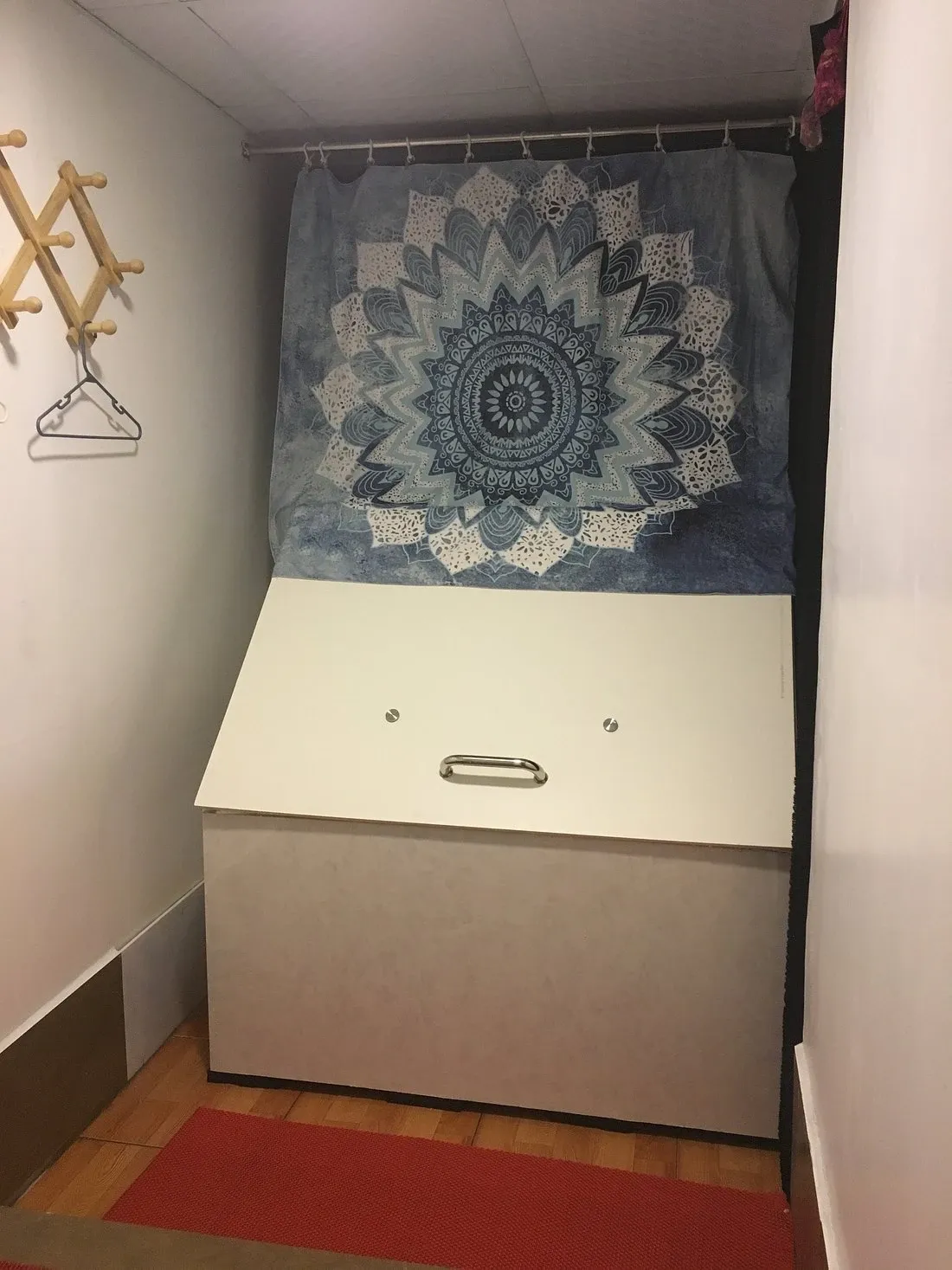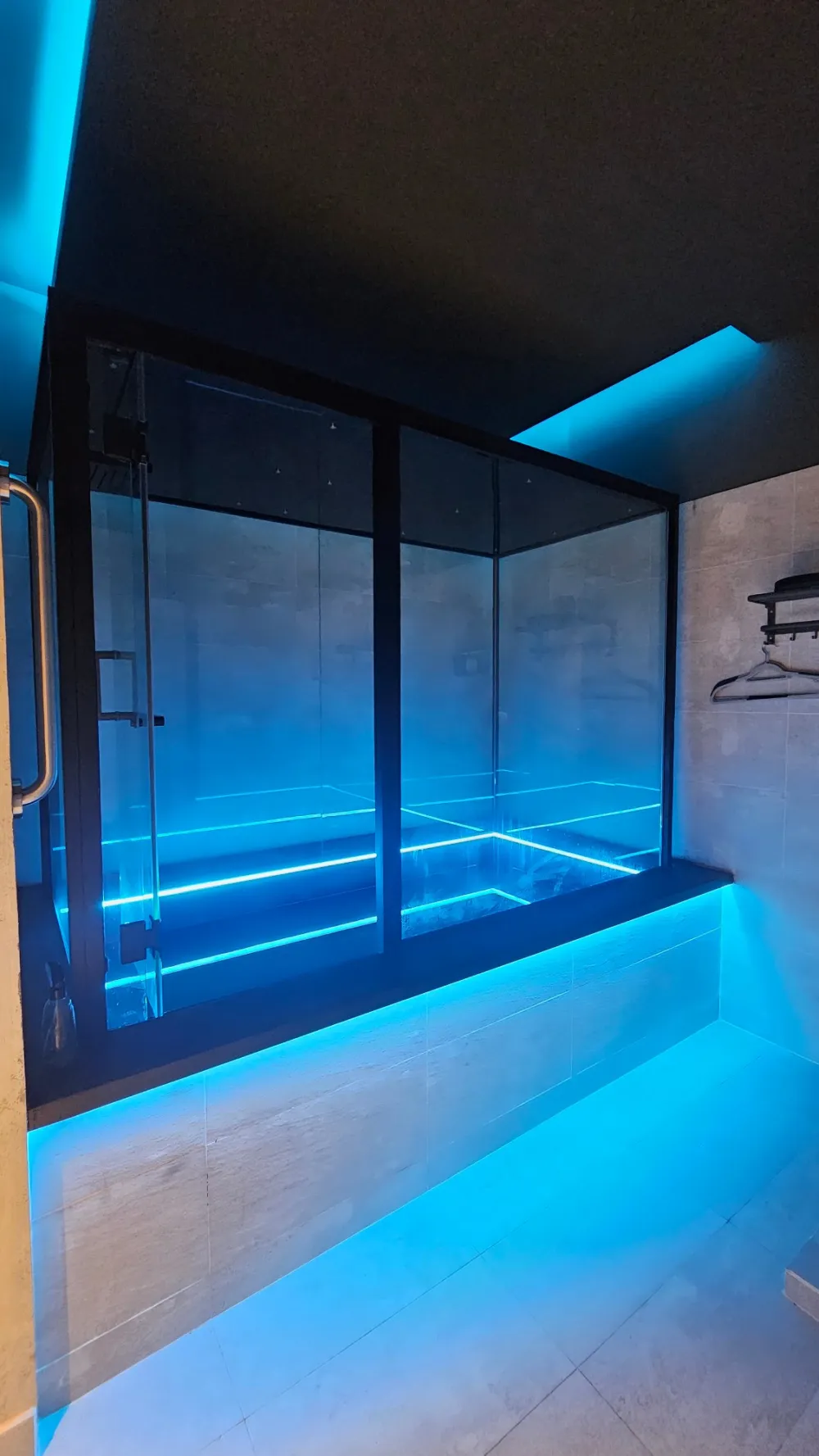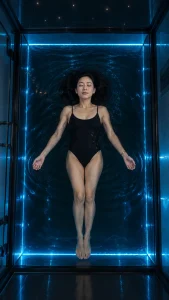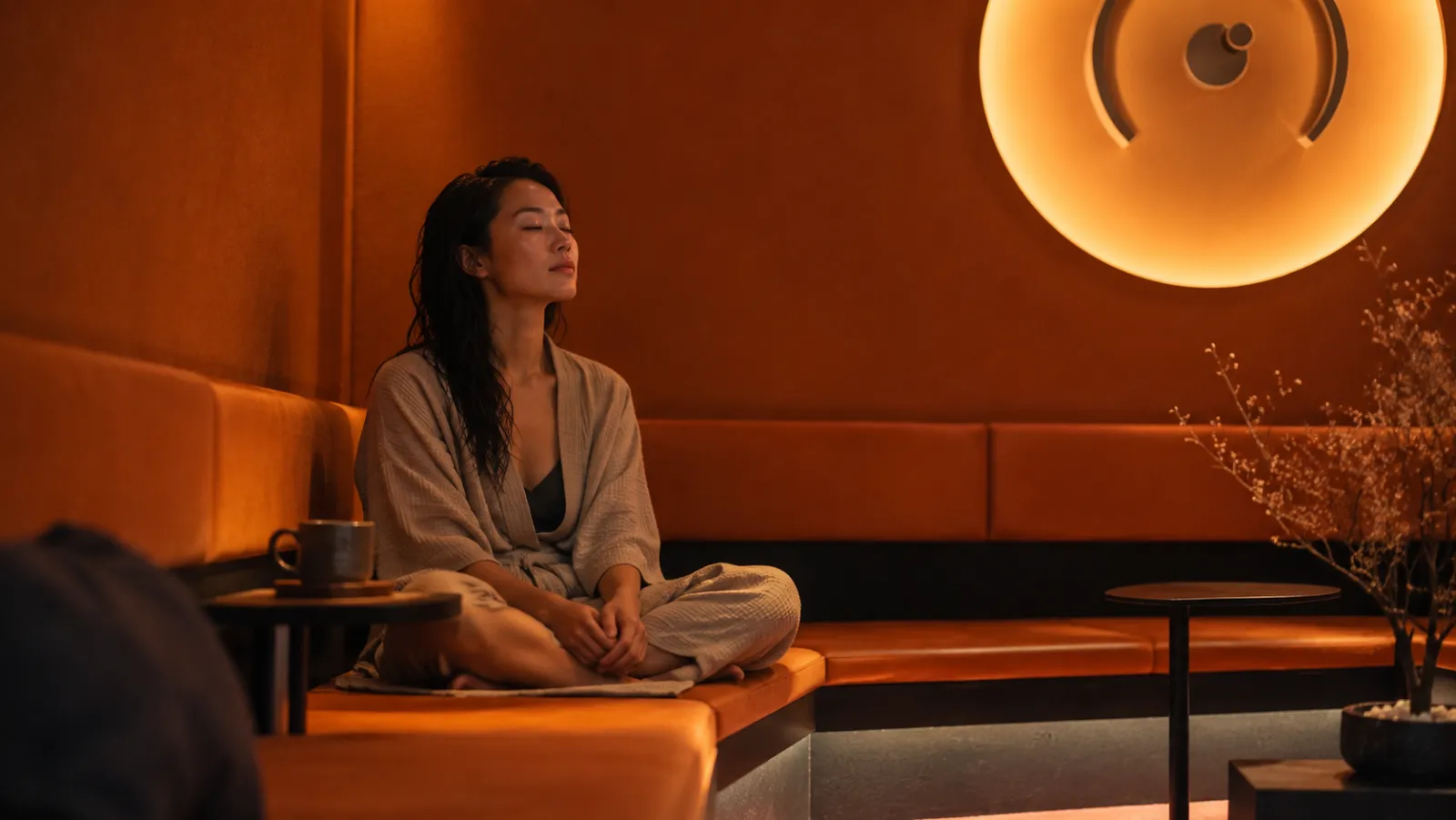
Some people fall asleep, others find themselves experiencing flashes of insight, or thinking through problems in a lucid creative state.Actor and comedian Joe Rogan is an enthusiastic advocate of the tank, describing it as “the most important tool that I’ve ever used for developing my mind, for thinking, for evolving.” In this video (below) he describes his experience of floating, and the creative, emotional and physical benefits it gives him. Musician Peter Gabriel had a tank installed in his home during the eighties. “It was quite useful,” he said in an interview. “In the sense that you could get into a dream state, and I think that did allow…different thoughts and pictures to come through. And I tend to write a lot of times from, from pictures, and it is an area I’m very interested in.” If you’re a busy creative, working under pressure, with a mind addled by smartphones and social media, floating is a great way to find the creative downtime that is essential to great work. Over the years it has helped me prepare for big presentations, de-stress after difficult weeks, solve creative problems, reconnect with myself, and generally feel more human. Is floating a substitute for meditation? There’s no substitute for daily meditation practice, but floating is a great way to complement it and improve it in everyway. The float itself is a wonderful experience, but to me the after-effect is much more important. Whenever I emerge from the tank and sink into a chair in the chillout space, I am in a completely different state of mind than when I arrived. The chatter in my mind has died down. I see and hear things around me very clearly. I have no urge to touch my iPhone. I often sit there for half an hour or more, without reading or talking, in no hurry to leave. I’ve experienced a similar state of mind after the first couple of days of a silent meditation retreat. But the effect is much more dramatic, as I’ve only spent an hour in the tank. Which is why I call it microwave meditation. And if you’re a beginner to meditation, floating can be a great way to help you learn to focus. To quote Nick Dunin, Founder of the Beyond Rest float center in Perth, “The floatation tank is like training wheels for meditation, it gives you an experience of what it’s like to switch off and be present, which makes it easier for you to do the same when you’re sitting in meditation, or practicing mindfulness in your daily life.” Where can you float? These days most large cities have float centers where you can spend an hour in the tank for about 60 to 100 USD. And many have membership programs that give you the cumulative benefits of floating regularly, while reducing the cost per float. In Vietnam, the first float centre was established in Hanoi by 2 float enthusiasts. As floating is relatively new in Vietnam, the guys charge very little for their services. However you can be confident about the floating quality as a float operator of Cloud Nine Centre in Colorado visited the center and said Float Hanoi has one of the best water quality he has ever seen. You can visit the website thiennoi.com and book directly on their website for half the common price and double the experiences. Source info from : 99u, all credit to Mark McGuinness
Try it at Ōmni Space. Float Vietnam’s float rooms are at 16C Quoc Huong, Thao Dien, Ho Chi Minh City (Saigon), open daily 9:00–21:00. Book a float or read the float therapy FAQ.
Frequently asked questions
What is a flotation tank?
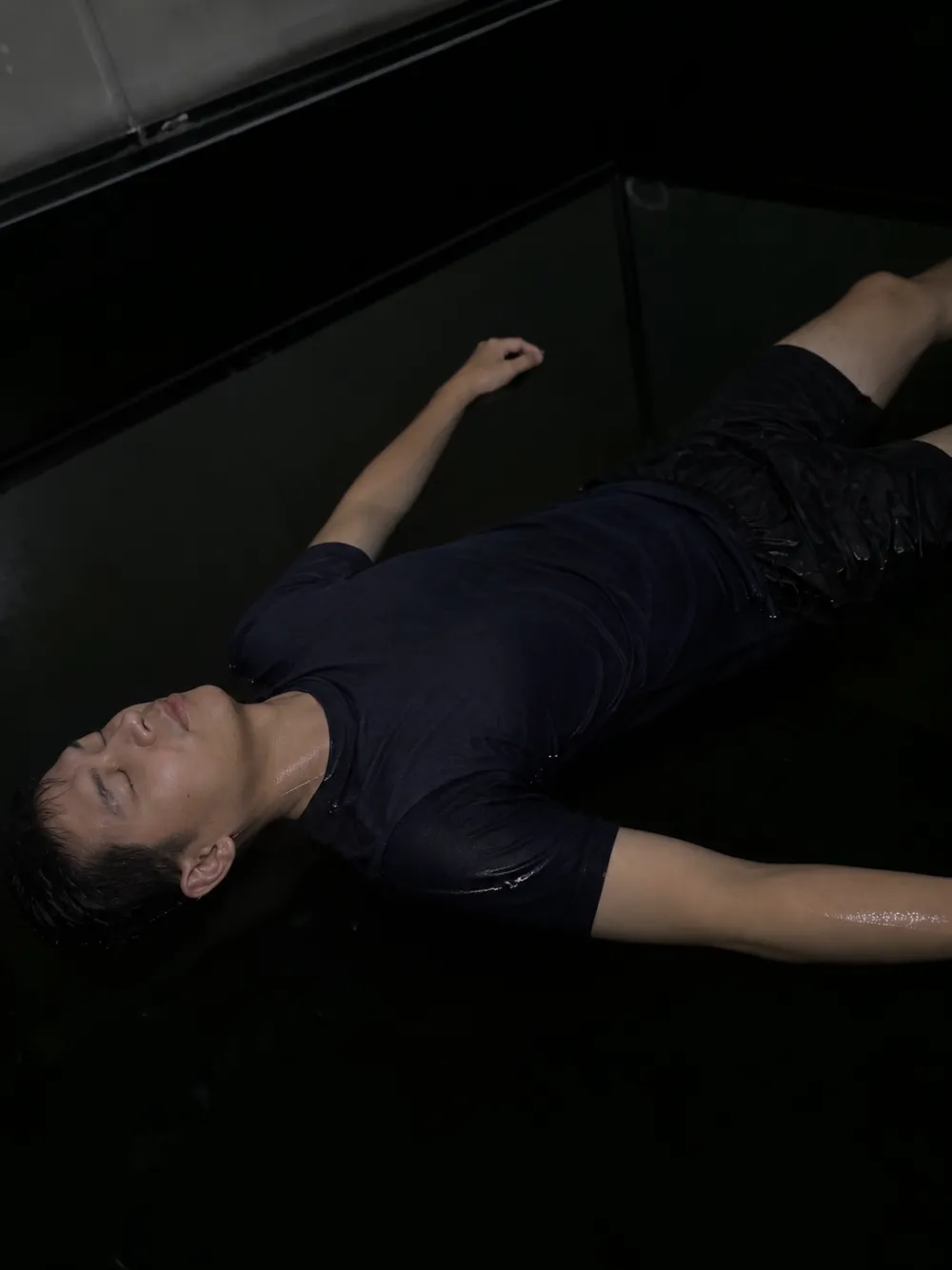
A flotation tank (float tank) is a pool with about 25 cm of water and roughly 500 kg of dissolved Epsom salt at skin temperature, so you float effortlessly in darkness and silence.
Does floating replace daily meditation?
No. Floating is a deep session that supports a daily practice, helping you reach a calm state faster and making home practice feel easier.
Is float tank meditation good for beginners?
Yes. The tank removes aching legs, noise and the sense of time, so beginners can feel directly what a quiet mind is like and bring that experience back to meditation at home.
How long should a floating meditation session be?
Float Vietnam recommends 90 minutes for beginners, because the first 20–30 minutes are spent settling in. Sixty minutes can work well once you are used to the tank.