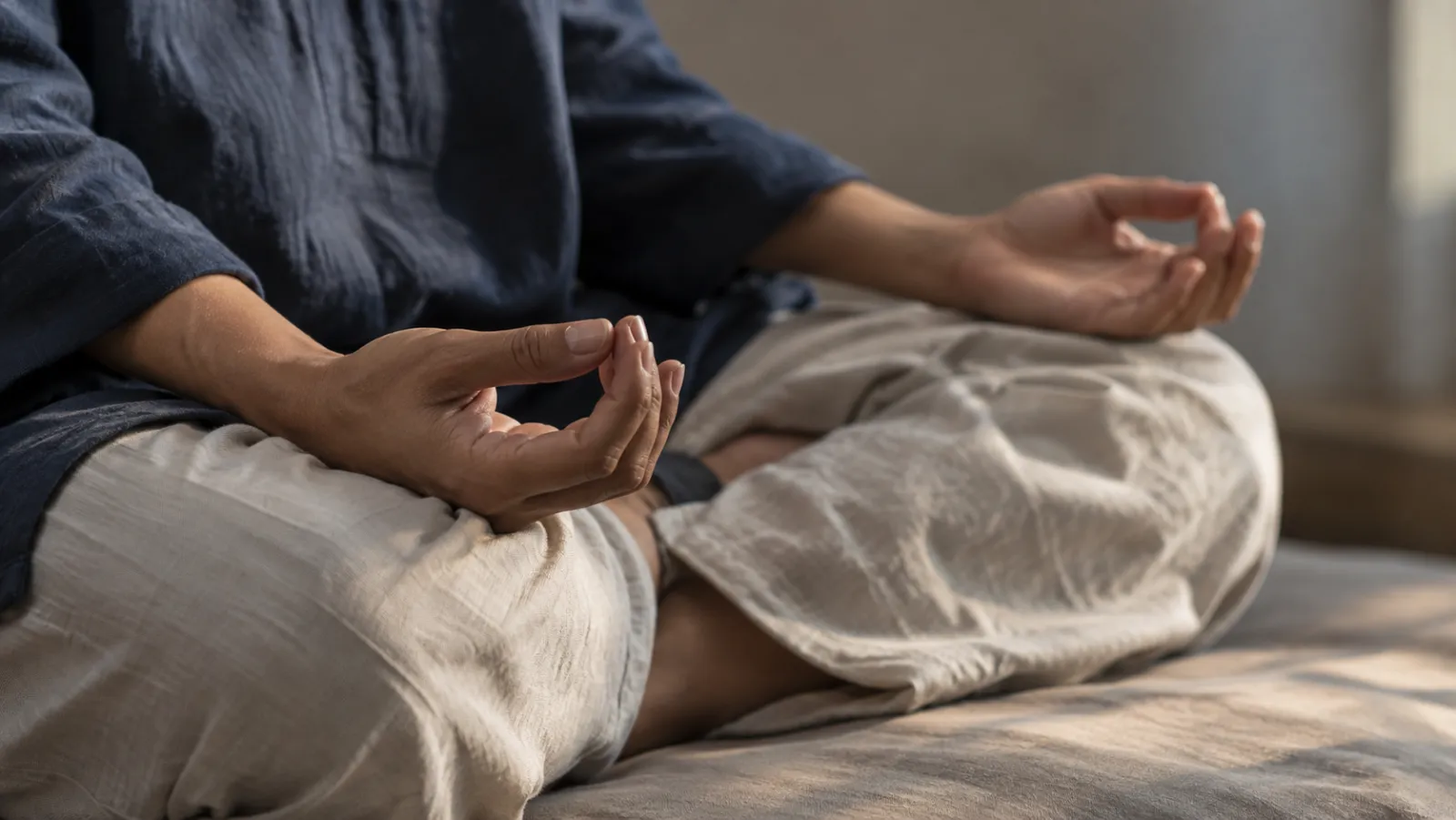
Key takeaways
- Floating and meditation share the same aim: fewer distractions and clearer awareness of what is happening inside you.
- The float tank removes light, sound, your phone and the effort of holding a posture, so beginners often find it easier to settle.
- Experienced meditators use floating to go deeper; anyone can use simple breath or body-scan practices in the tank.
Wondering why floating makes meditation go deeper? Read Float Tank Meditation: Why It Goes Deeper. This page is the step-by-step guide.
Quick answer: Floating supports meditation by doing much of the hard work for you: the tank blocks out light and sound, you cannot check your phone, and you do not need to hold a posture. With fewer distractions and no physical discomfort, it is easier to notice the breath, the heartbeat and your thoughts, which is why floating is often called “training wheels” for meditation.
What meditation is
Meditation has been practised for thousands of years in many traditions. Styles differ, but most involve training attention: resting the mind on an anchor such as the breath, noticing thoughts and sensations without getting carried away by them, and returning to that anchor again and again.
Mindfulness meditation, now widely taught in schools, hospitals and workplaces, focuses on calm, non-judgemental awareness of the present moment. A large review by Goyal and colleagues (2014) found that mindfulness programs led to moderate improvements in anxiety, depression and pain. Read more in our guide to float tank tips from a meditator.
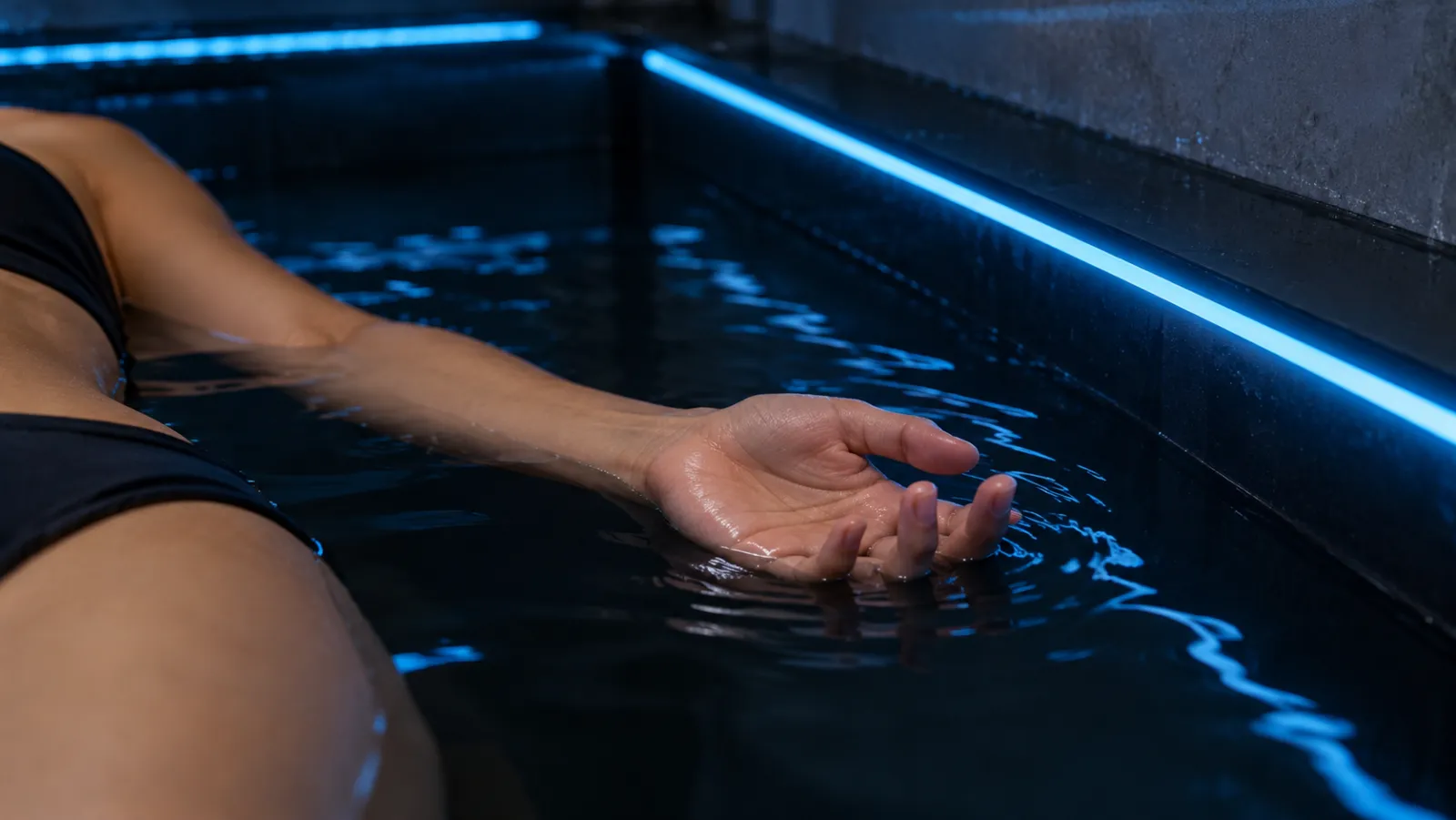
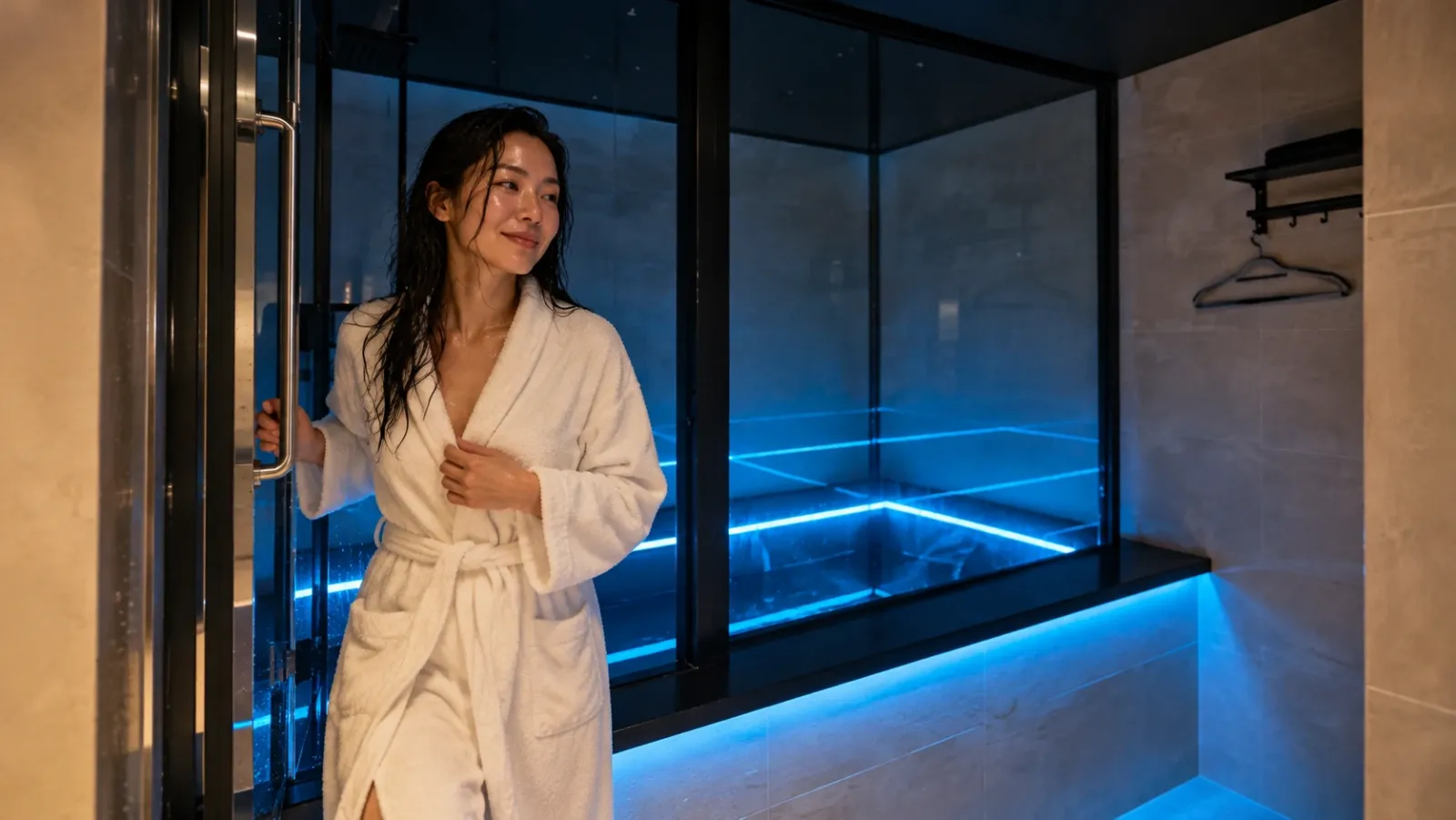
How floating makes meditation easier
- No outside distractions: no light, no noise, no messages. Even the quietest room at home cannot match this level of silence.
- No posture to hold: sitting still often brings back pain, stiff knees or restlessness. In the tank the body is fully supported, so attention is not pulled away by discomfort.
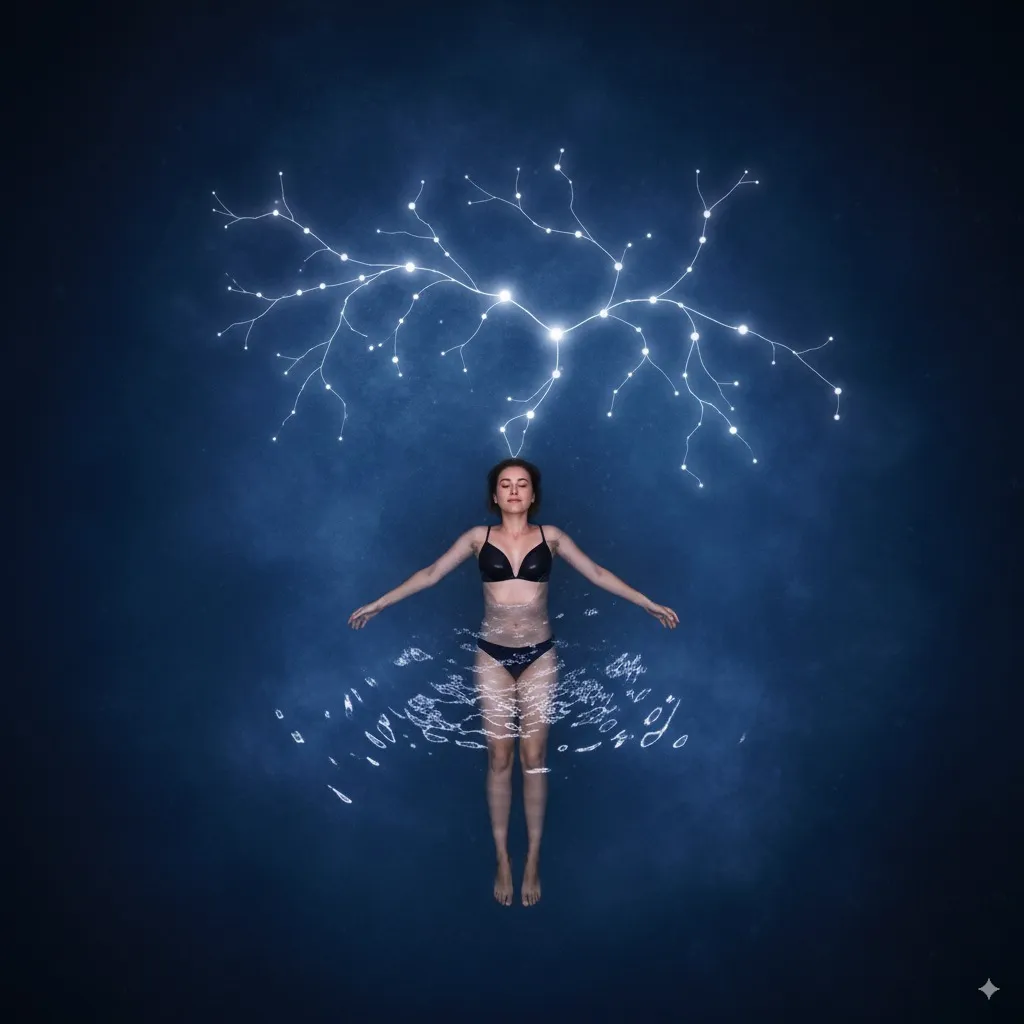
- Heightened body awareness: with external input removed, many floaters notice their heartbeat and breathing more clearly than ever, natural anchors for meditation.
- A deeper state of rest: many people slip into a calm, dreamy state between waking and sleep. See theta waves and float therapy.

Who benefits most
- Beginners who find sitting meditation frustrating or restless.
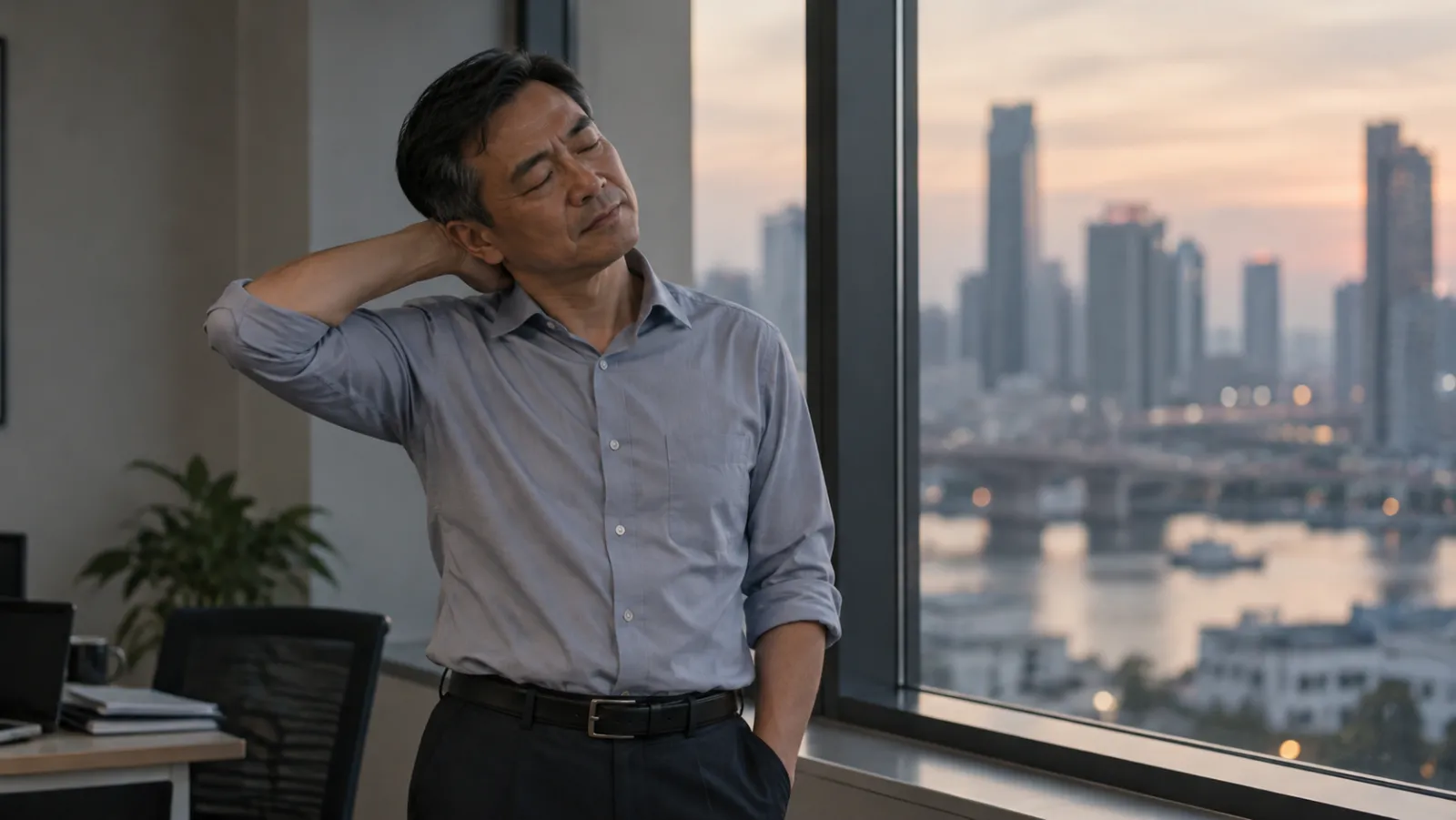
- Busy people who struggle to find a quiet place and time to practise.
- Experienced meditators who want a deeper, uninterrupted session, similar in feeling to a short retreat.
- People with back or joint pain for whom long periods of sitting are uncomfortable.
Simple practices to try in the tank
- Breath counting: count each out-breath from one to ten, then start again. If you lose count, simply return to one.
- Body scan: move your attention slowly from your toes to the top of your head, noticing and releasing tension.
- Open awareness: after settling, let go of any anchor and simply notice sounds of the body, thoughts and feelings as they come and go.
- Allow the first 10–20 minutes to settle in; a 90-minute session gives you time to go deeper. More ideas: 3 meditation exercises for the float tank.
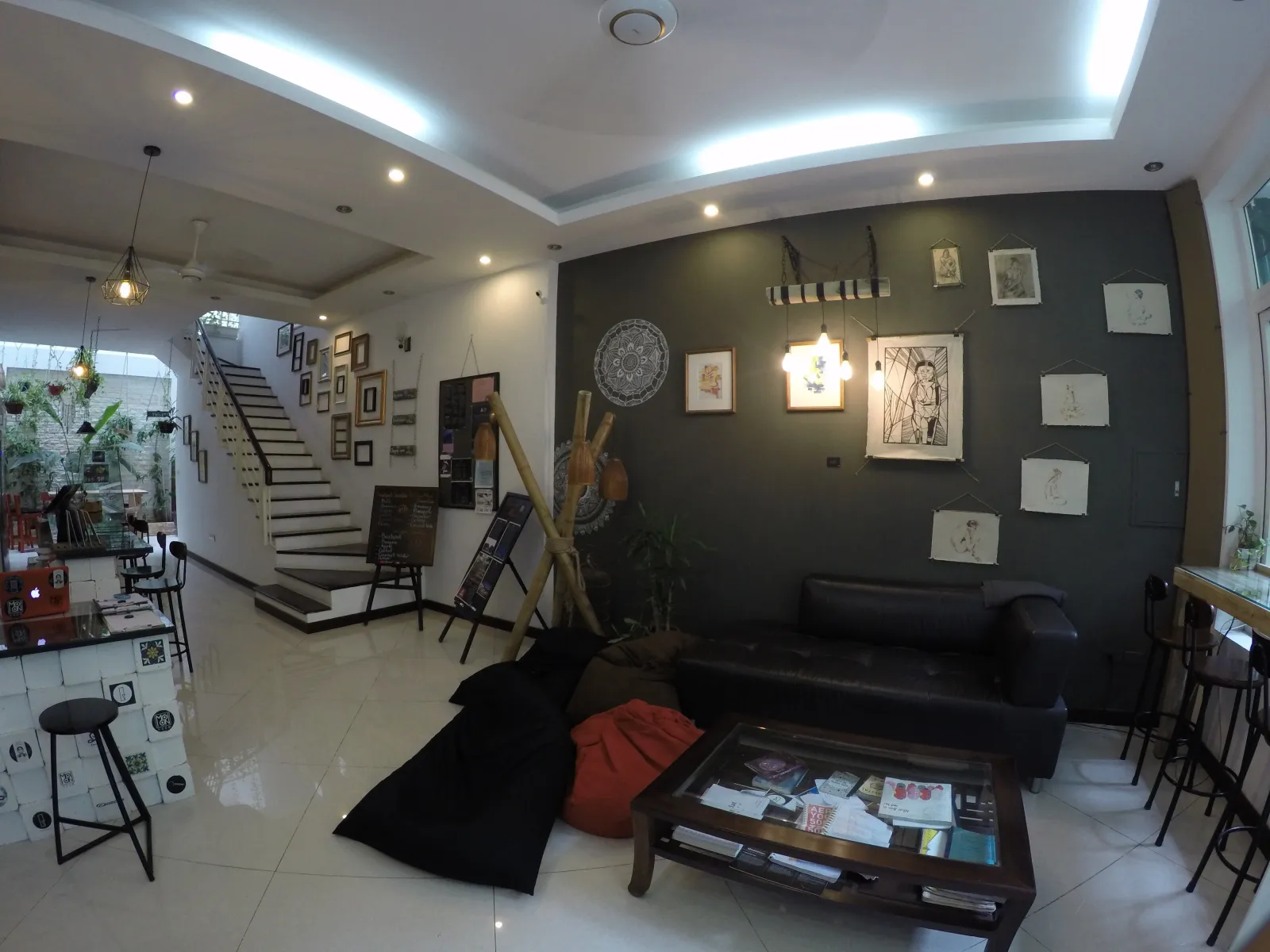
Try it at Ōmni Space. Float Vietnam’s float rooms are at 16C Quoc Huong, Thao Dien, Ho Chi Minh City (Saigon), open daily 9:00–21:00. Book a float or read the float therapy FAQ.
Frequently asked questions
How does floating help meditation?
The float tank removes light, sound, phones and the need to hold a posture, so there is much less to distract you. Many people find it easier to focus on the breath and reach a calm, meditative state than in a normal room.
Is floating good for meditation beginners?
Yes. Because the environment does much of the work of removing distractions and discomfort, beginners often find floating an easier way into meditation than sitting practice.
Can I fall asleep while meditating in the tank?
Yes, and that is safe because the salt water keeps you floating. If you want to stay alert, try breath counting or a body scan.