Updated: 11 October 2026 · Compiled by Float Vietnam
Key takeaways
- Five small studies (2013–2025) on floating for athletes report better perceived recovery, mood and muscle soreness after a float.
- Physiological results (lactate, strength, HRV, wearable sleep data) are mixed; one study found a nap improved some HRV measures more than floating.
- In practice: float for 60–90 minutes after a hard session or on a rest day, stay hydrated, and skip floating with fresh cuts or grazes.
Quick answer: Float therapy may help athletes feel recovered sooner: small studies report less soreness and fatigue and better mood after a single float. Effects on physiological markers such as strength or heart rate variability are not consistent. Think of floating as active rest in your training week, not a recovery drug.
Why do athletes float?
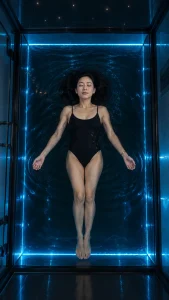
After a hard session, muscles, joints and the nervous system all need time to recover. In a float tank, about 500 kg of Epsom salt makes the water so dense that the body floats completely, so the neck, back and legs no longer work to hold posture. Water near skin temperature, darkness and silence help the nervous system shift into rest mode. Many runners, cyclists, CrossFit athletes and golfers use floating as an “active recovery” session alongside sleep, nutrition and stretching. The question is what the research actually shows. Below we summarise the five most relevant studies and how to read them.
Five studies on floating and athletic recovery
These studies are all small, but they are the best data available. Full citations are in our float therapy whitepaper.
| Study | Design, participants | Main result |
|---|---|---|
| Morgan et al. 2013 | Randomised crossover, n = 24 untrained men | After eccentric leg exercise, a 1-hour float lowered blood lactate and perceived pain vs sitting; no change in soreness, strength or heart rate |
| Driller & Argus 2016 | Uncontrolled pre-post, n = 60 elite athletes | One ~45-minute float improved 15 of 16 mood measures and reduced perceived soreness |
| Caldwell et al. 2022 | Crossover, n = 11 resistance-trained men | After heavy squats, a 1-hour float reduced soreness, fatigue and mood disturbance more than control |
| Besson et al. 2024 | Randomised, float vs nap, n = 20 | Nap improved some HRV measures more; floating rated more enjoyable |
| Vatne et al. 2025 | Observational wearable data, n = 97 college athletes | Lower resting heart rate the night after floating; sleep metrics unchanged |
Morgan 2013: lactate and perceived pain
In this randomised crossover study, 24 untrained men did hard eccentric leg exercise and then either floated for an hour or sat passively. Floating lowered blood lactate and perceived pain, but did not change muscle soreness, strength or heart rate.
Driller & Argus 2016: mood in elite athletes
Among 60 elite athletes, a single float of about 45 minutes after training improved 15 of 16 mood-state measures and reduced perceived muscle soreness. There was no control group, so the effect of floating cannot be separated from the effect of resting in general.
Caldwell 2022: after heavy squats
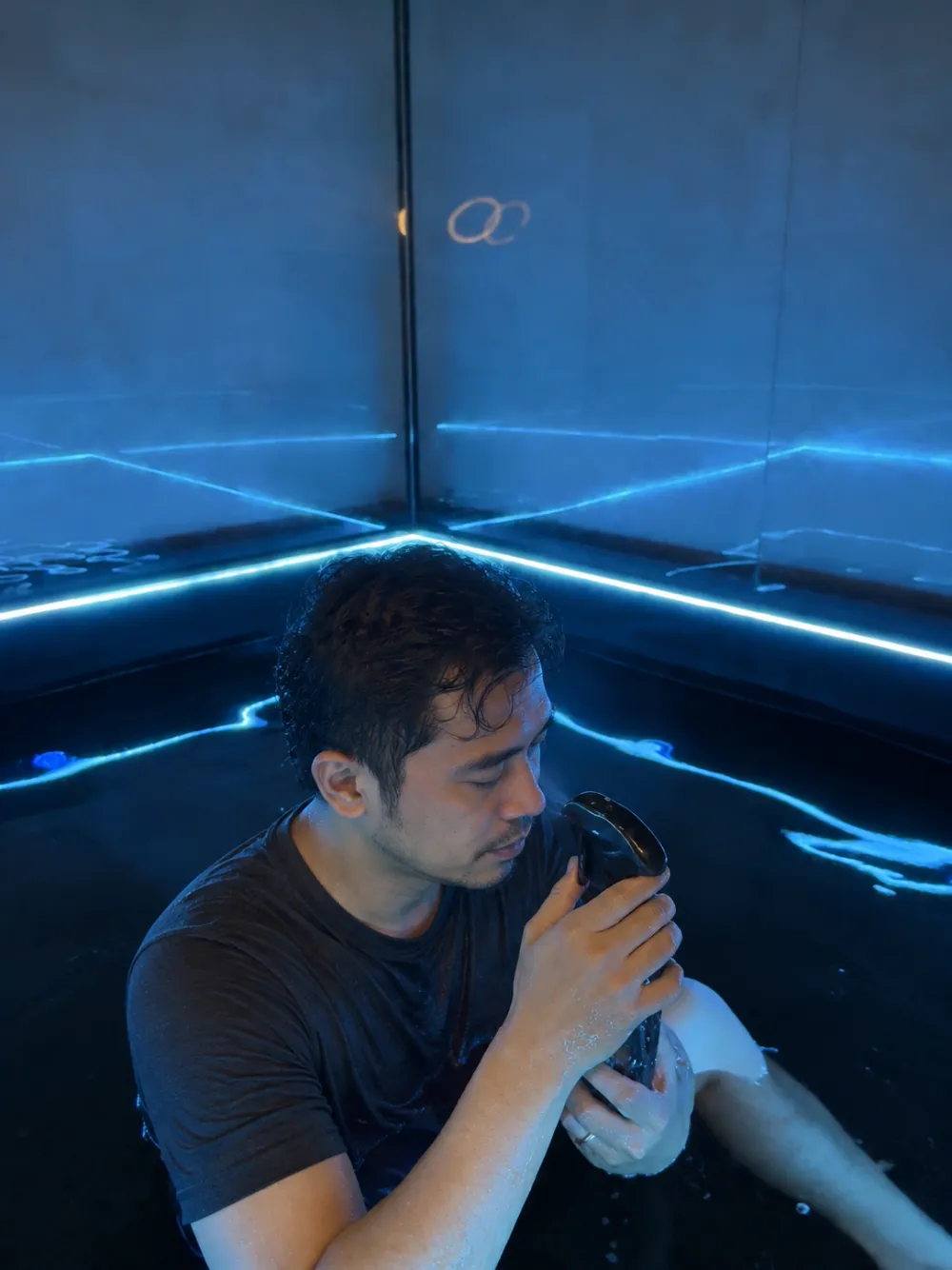
In 11 resistance-trained men, a one-hour float after heavy squats reduced muscle soreness, fatigue and mood disturbance more than a stimulating control condition. It was a crossover design, so each man acted as his own control.
Besson 2024 and Vatne 2025: HRV and sleep
In 20 trained individuals, a conventional nap improved short-term parasympathetic markers more than floating, although floating was rated as more enjoyable. In 97 college athletes tracked with a wearable device, resting heart rate was lower on the night after floating, but sleep metrics did not change. See heart rate variability (HRV) in our glossary.
How to read the results
The most consistent finding across studies is perception: athletes feel less sore, less tired and in a better mood after floating. For measured markers such as lactate, strength, heart rate variability or wearable sleep data, results are mixed. The studies are small (11–97 people), most look at a single session, and some have no control group. Feeling recovered still matters: mood and perceived fatigue affect motivation and the quality of your next session. But if you expect floating to make you stronger or to replace a night’s sleep, current research does not support that. For back pain or lingering muscle pain, read floatation therapy for pain and float therapy for back pain.
How to fit floating into your training
A practical approach many athletes use, based on the studies above and Float Vietnam’s experience:
- Timing: after a hard session (same day or the next), after a race, or on a rest day.
- Length: 60–90 minutes. The studies used 45–60 minutes; beginners do best with 90 minutes to fully settle.
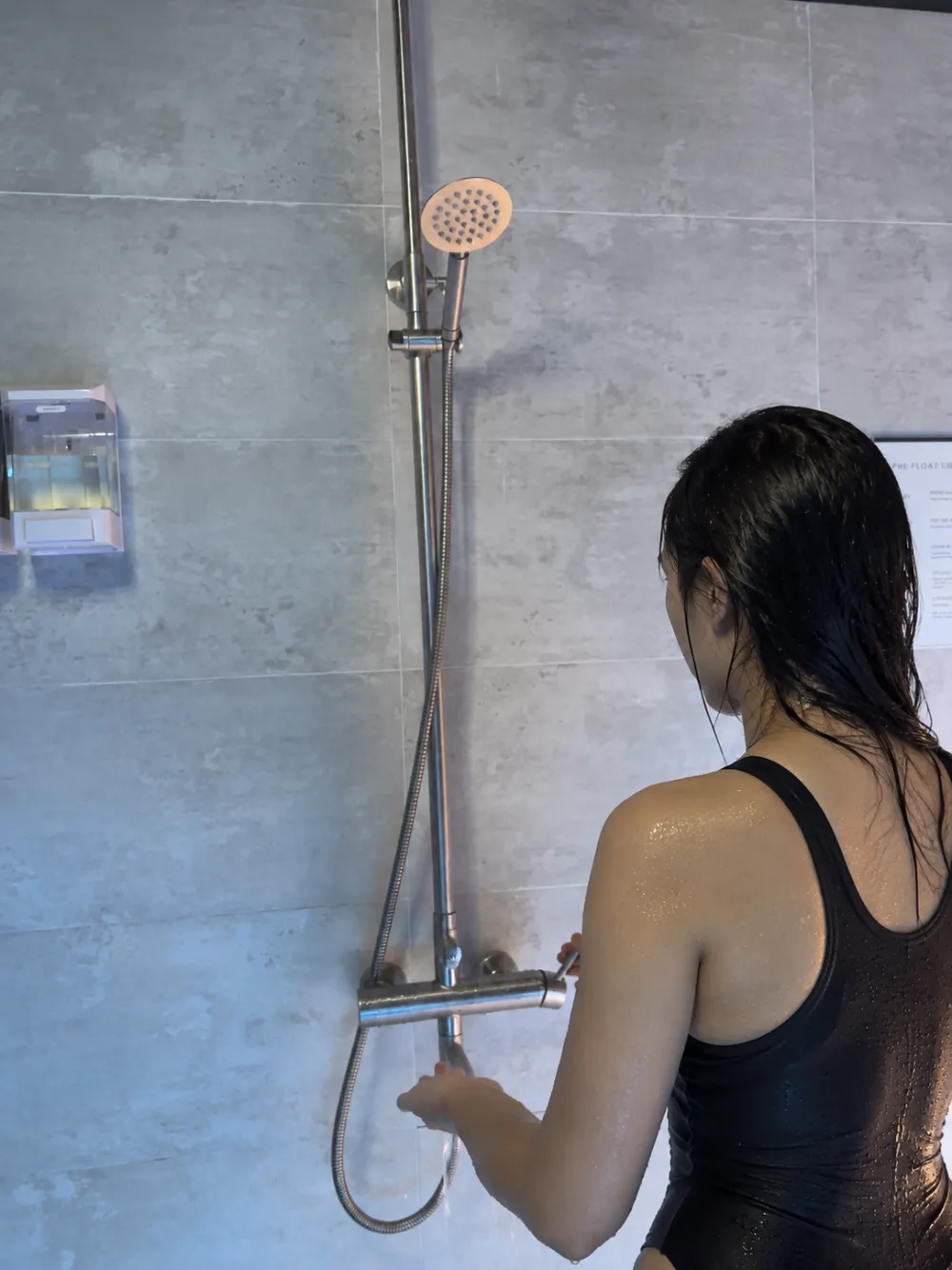
- Before you float: hydrate, eat lightly, and avoid shaving or waxing just before, as salt will sting.
- Frequency: Float Vietnam suggests 2–3 floats a month for 2–3 months, then 1–2 a month; this is practical guidance, not a research-based dose.
- Combine: Ōmni Space in Saigon also offers an infrared sauna (45 min) and cold plunge (30 min), 450,000 VND each or +200,000 VND with a float.
For a detailed step-by-step routine, read float therapy after training, or compare options in float vs massage vs sauna.
When should athletes be careful?
Do not float with open wounds, large grazes or unhealed surgical scars, as salt stings and can irritate. If you have a heart condition, low blood pressure, kidney disease or are recovering from a serious injury, ask your doctor or physiotherapist first. Sit up slowly after floating, as some people feel lightheaded when standing. Read more in is float therapy safe.
Torn between warm and cold? Read float therapy vs cold plunge: differences and which to choose.
Note: This page is for general information. Float therapy supports wellbeing but does not replace diagnosis or treatment by a doctor. If you have a medical condition, ask your doctor before floating.
Try it at Ōmni Space. Float Vietnam’s float rooms are at 16C Quoc Huong, Thao Dien, Ho Chi Minh City (Saigon), open daily 9:00–21:00. Not sure which session to choose? Take the 1-minute Float Plan. Ready? Book a float.
Frequently asked questions
Does float therapy speed up muscle recovery?
Small studies report that athletes feel less sore and less tired after floating. Effects on physiological markers such as strength or lactate are not consistent.
Should I float before or after training?
Usually after a hard session or on a rest day. Floating right before training may leave you too relaxed, and no study supports it.
Can floating replace sleep?
No. A 2024 study found a nap improved some recovery markers more than floating, and night-time sleep remains the foundation of recovery.