Updated: 11 Oct 2026 · By Float Vietnam
Key takeaways
- Small Swedish studies report less muscle-tension pain in the neck, back and shoulders after a series of floats, along with lower stress and better sleep onset.
- The best-controlled trial (Loose 2021) found no long-term benefit over a placebo float in chronic pain, so floating is best seen as a relaxing complement to physiotherapy and medical care.
- See a doctor first for a new injury, back pain with numbness or weakness in the legs, or after recent surgery.
Quick answer: Float therapy may help some people with back pain feel more relaxed and less sore, especially when pain is linked to muscle tension and stress. Small studies report reduced pain after a series of floats, but a placebo-controlled trial found no long-term advantage. Use floating alongside physiotherapy and medical advice, not instead of them.
Does float therapy help back pain?
The honest answer is: it may help some people feel better, but the evidence is limited. Most of the research comes from a Swedish group at Karlstad University. In a 2001 randomised study by Kjellgren and colleagues, 37 people with chronic aching muscles in the neck and back area either floated nine times over three weeks or did not. The float group reported a drop in their most severe pain (milder pain did not change), less anxiety and depression, more optimism, and said they fell asleep more easily. Follow-up studies by Bood and colleagues in 2005 and 2007 looked at stress-related muscle pain and reported similar improvements. However, a stricter 2021 trial by Loose and colleagues in JAMA Network Open compared real floating with an indistinguishable placebo float and found no long-term difference. So float therapy for back pain looks most useful as a way to relax and ease tension, not as a fix. For a broader overview, see floatation therapy for pain.
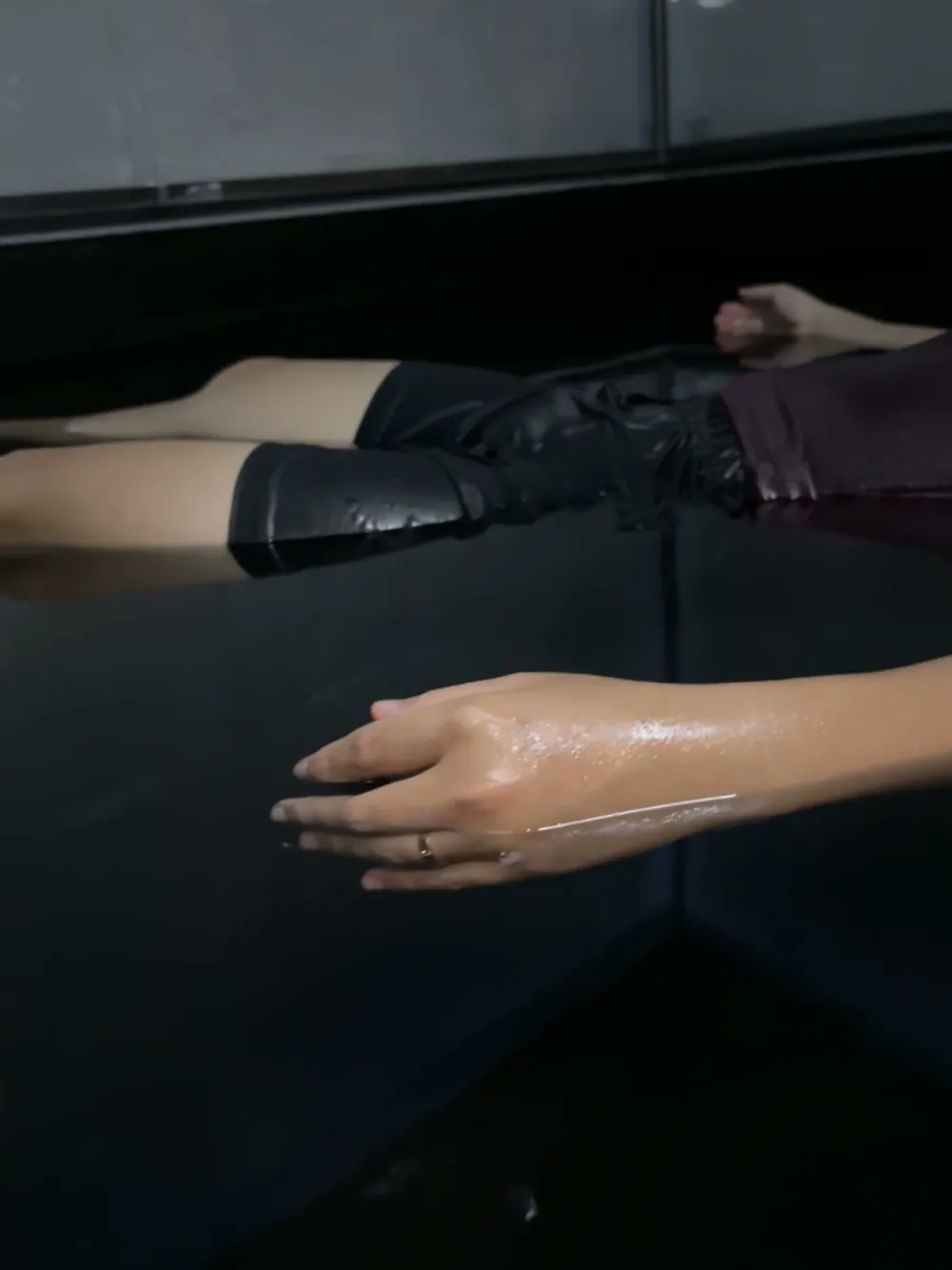
What do the studies actually report?
Looking at the research together helps set realistic expectations. Positive findings come mainly from small studies of muscle-tension and stress-related pain, often without a strong placebo comparison. The 2007 Bood study is useful for planning: people who did 12 sessions improved considerably, and doing 33 sessions did not add further pain relief. The 2021 Loose trial included 99 adults with chronic pain disorder; each had five floats of 60 to 90 minutes. One week after the last session, pain had not improved more in the float group than in the placebo or wait-list groups, and there was no difference at 12 or 24 weeks. Straight after sessions, both the float and placebo groups felt clearly better, which suggests that relaxation, expectation and attention may matter as much as the float itself. A 2026 scoping review by Stuart and colleagues in the Journal of Pain Research found eight studies with 401 participants and called floating promising, while stressing that larger, high-quality trials are needed.
| What studies report | Strength |
|---|---|
| Lower intensity of the worst muscle-tension pain after 9 floats (Kjellgren 2001) | Low to moderate: one small randomised study |
| Less pain, stress, anxiety and lower blood pressure in stress-related muscle pain (Bood 2005) | Low: small, no untreated control group |
| 12 sessions gave most of the benefit; 33 added no further pain relief (Bood 2007) | Low: small randomised comparison |
| No long-term benefit over a placebo float in chronic pain; short-term relief in both groups (Loose 2021) | Moderate: single-blind randomised trial, 99 people |
| Consistent short-term improvements across 8 studies, but mixed designs (Stuart 2026) | Review: promising, more research needed |
Why might floating ease back pain?
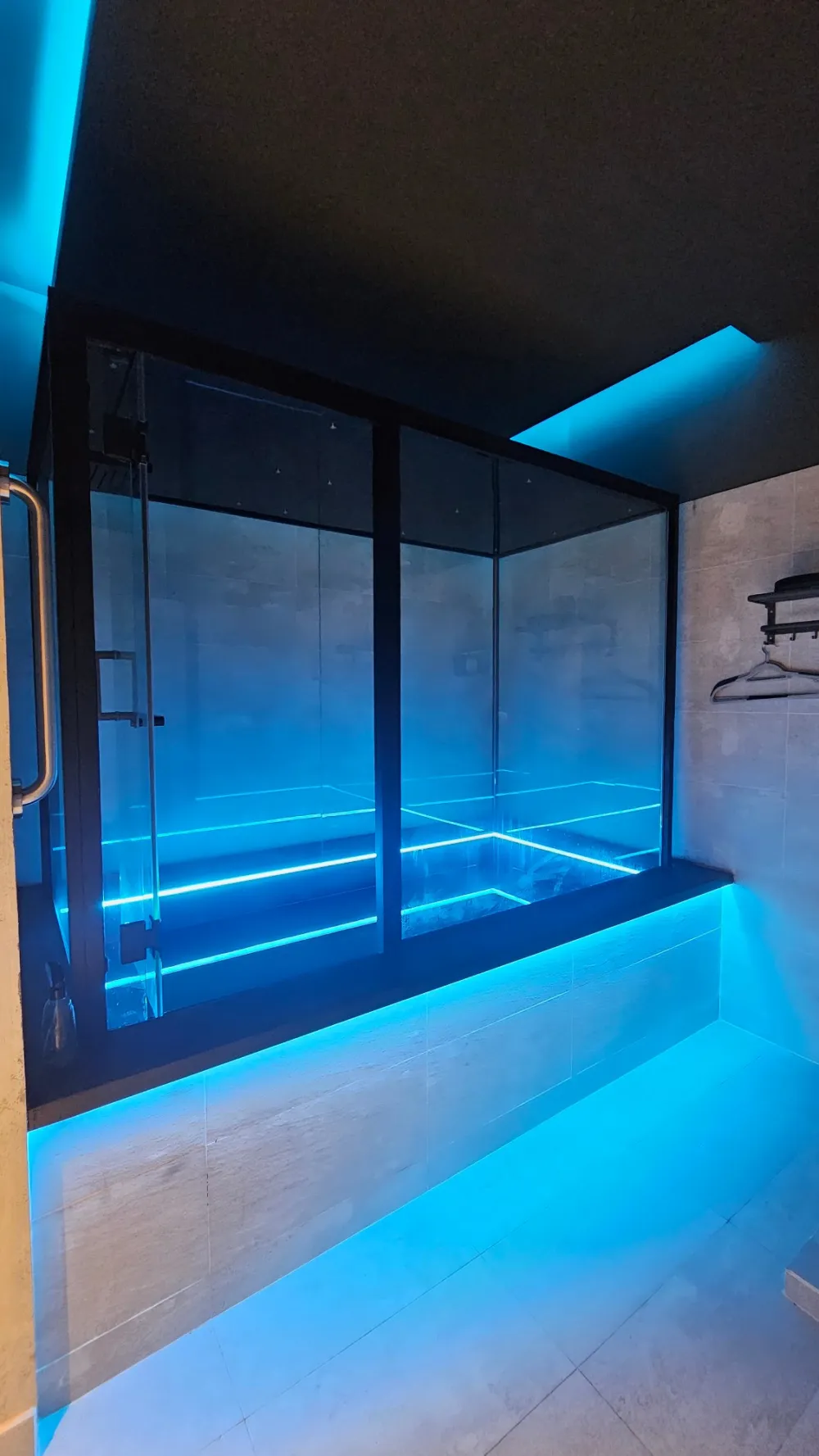
Researchers have suggested several reasons why floating could feel good for a sore back, but none is proven. The first is buoyancy. With around 500 kg of Epsom salt in about 25 cm of water, your body floats on the surface, so the spine and joints no longer carry body weight and there are no pressure points as there are in a bed. The second is warmth: the water is kept at about 34–35 °C, close to skin temperature, which many people find relaxing for tight muscles. The third is the stress-pain loop. Stress tends to increase muscle tension and the perception of pain, and pain in turn increases stress. Floating reliably helps many people relax, and the 2001 Kjellgren study found a lower level of a noradrenaline-related stress marker after floating. Yet the Loose trial’s placebo result shows that general relaxation may explain much of the effect. You can compare options in float vs massage vs sauna and float therapy vs CBD vs painkillers.
How should you float with back pain?
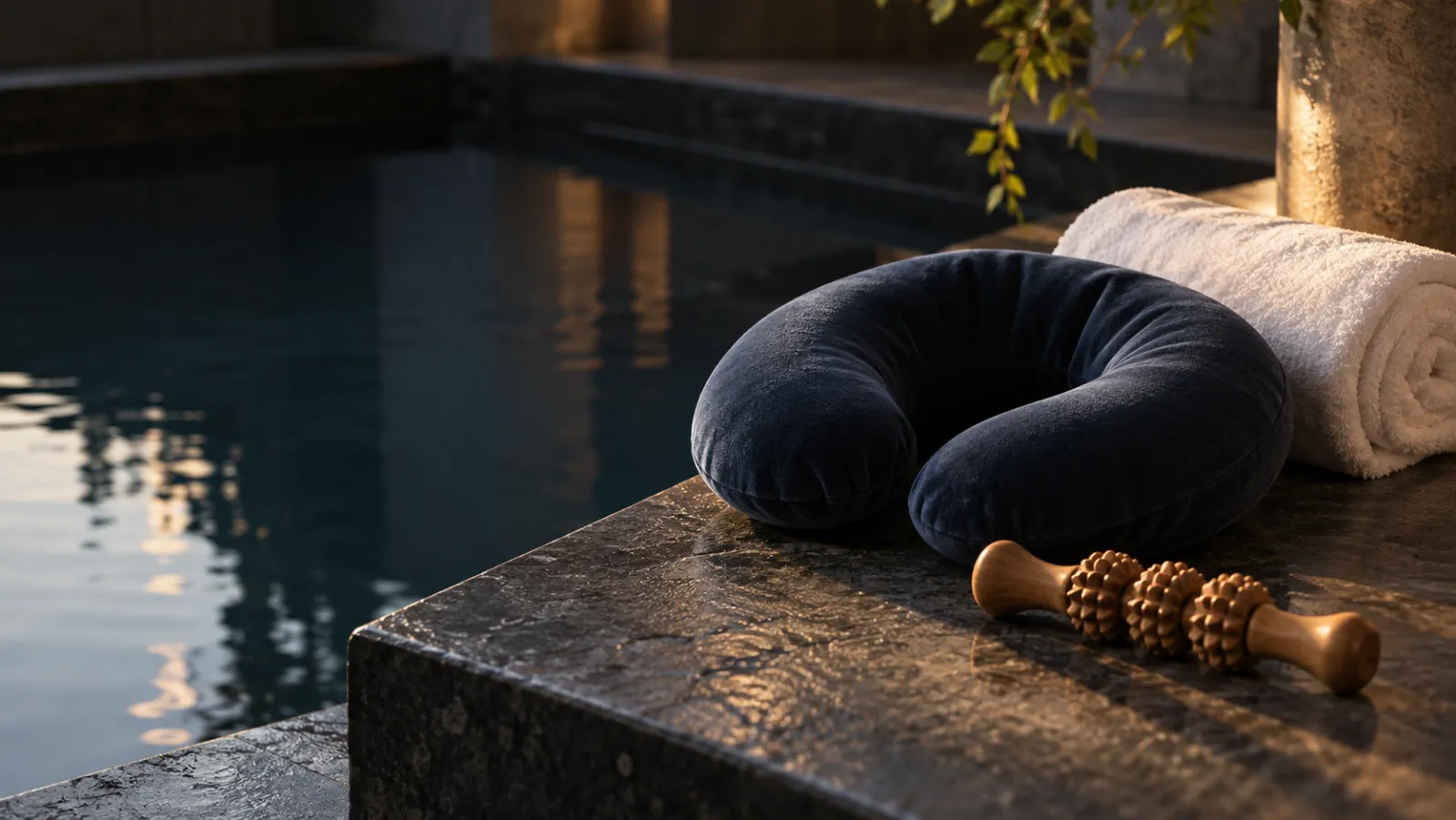
A few small adjustments can make a float tank session more comfortable when your back is sore. First, let the water do the work: many people unconsciously hold their neck and lower back stiff during the first minutes, so take a few slow breaths and allow your head to rest back. A floating neck support, such as the Halo-style pillow used at Ōmni Space, helps if your neck feels tense. Second, try different arm positions. Some people find that resting their arms overhead opens the shoulders and eases the lower back, while others prefer arms by their sides or hands resting on the belly. Third, move slowly. Sit up gently at the end, step out carefully and give yourself a few minutes before standing for long. For length, Float Vietnam suggests 90 minutes for a first session. Research protocols used roughly 9 to 12 sessions over several weeks; a practical rhythm is 2–3 floats a month for 2–3 months, then 1–2 a month. See how often you should float.
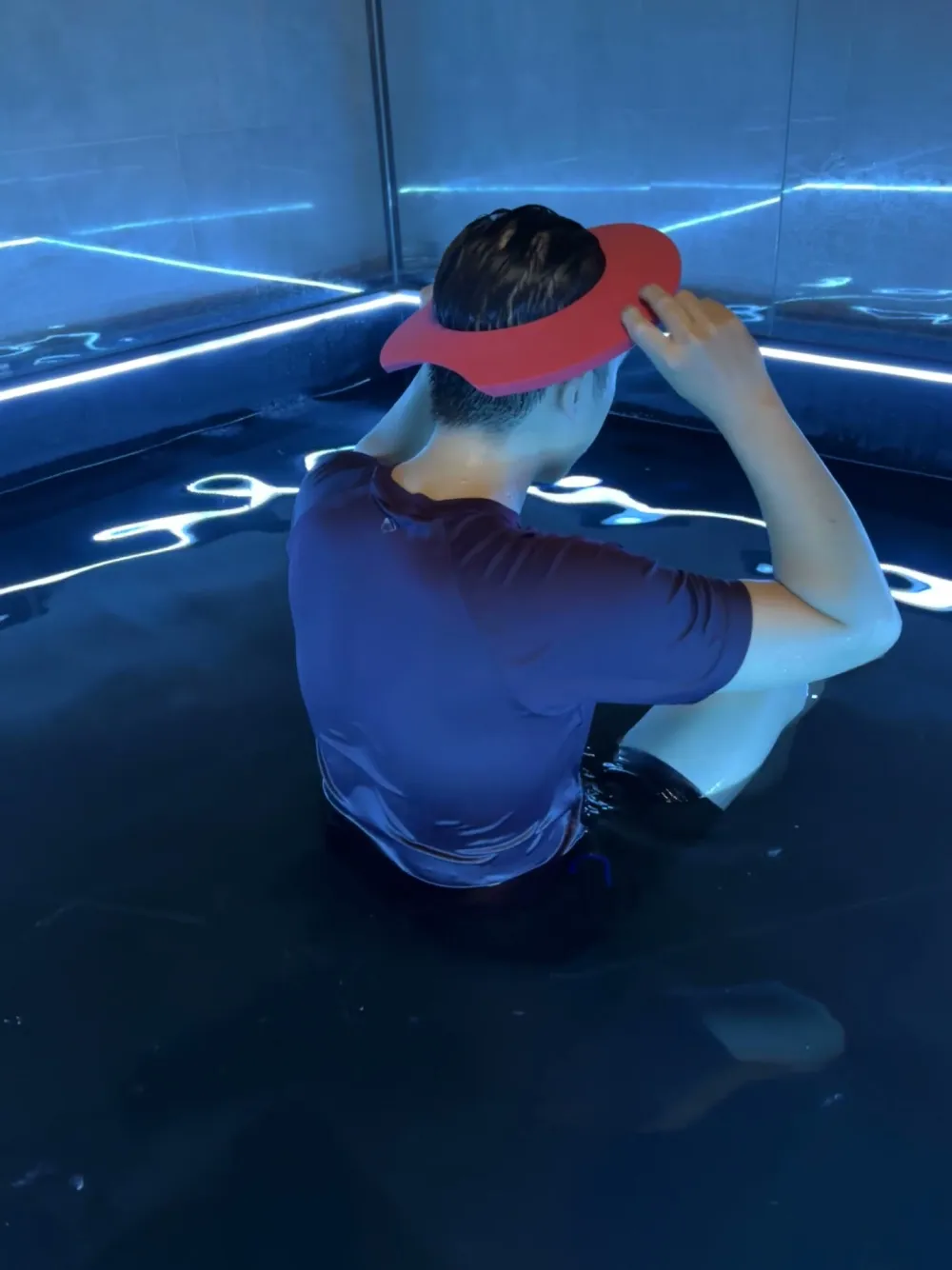
- Tell staff about your back problem before your session.
- Keep doing the exercises your physiotherapist gave you; floating can be a calm extra on rest days.
- Note your pain and sleep before and after each float so you can judge what helps you.
Who should ask a doctor before floating for back pain?
Back pain has many causes, and floating suits gentle, ongoing muscle tension much better than an acute or serious problem. Talk to a doctor or physiotherapist before you book if you have a new injury from a fall, accident or sports impact, or back pain that started suddenly and severely. Get medical advice first if you have a diagnosed disc herniation with neurological symptoms, such as numbness, tingling or weakness in a leg, because those need proper assessment. Wait until you are fully healed and cleared by your surgeon after recent spinal or other surgery, and do not float with open wounds. Seek medical care promptly, not a float, if back pain comes with fever, unexplained weight loss, or any change in bladder or bowel control. If you take pain medication, keep following your doctor’s plan; floating is a complement, not a replacement. For the full list of contraindications, see is float therapy safe?. Some people also share their own stories, like this one about floating for back pain and stress.
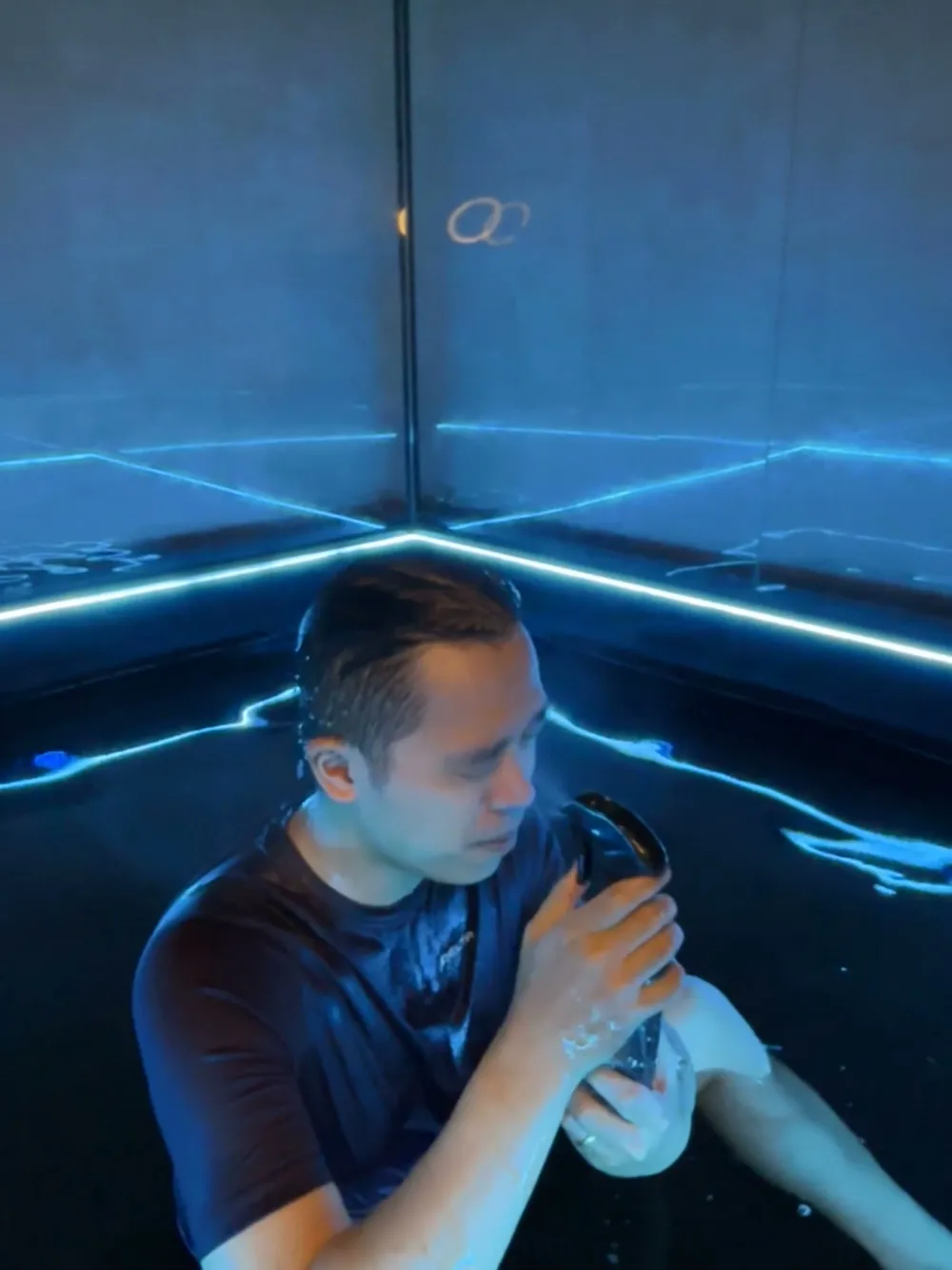
Note: This page is for general information. Float therapy supports wellbeing but does not replace diagnosis or treatment by a doctor. If you have a medical condition, ask your doctor before floating.
Try it at Ōmni Space. Float Vietnam’s float rooms are at 16C Quoc Huong, Thao Dien, Ho Chi Minh City (Saigon), open daily 9:00–21:00. Book a float or read the float therapy FAQ.
Frequently asked questions
Is a float tank good for lower back pain?
Many people find floating comfortable for a sore lower back because the dense salt water takes weight off the spine. Small studies report less muscle-tension pain, but evidence is limited, so use it alongside physiotherapy and medical advice.
Can I float with a herniated disc?
Ask your doctor or physiotherapist first, especially if you have numbness, tingling or weakness in a leg. Many people with a stable, assessed condition float comfortably, but it is an individual decision.
How many floats does it take to notice a difference in back pain?
Some people feel looser after a single session, but research protocols typically used 9 to 12 floats over a few weeks. One study found no extra pain benefit going from 12 to 33 sessions.
Is sensory deprivation tank therapy better than massage for back pain?
They work differently and have not been compared directly in good trials. Massage works on muscles by hand, while floating offers weightless, low-stimulation rest; many people combine both.