Key takeaways
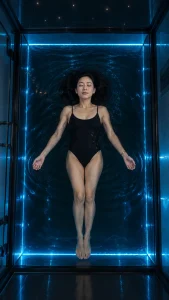
- Sensory deprivation, isolation tank, floatation-REST, float tank and float therapy all describe the same basic practice: resting in skin-temperature salt water with little or no light and sound.
- The first isolation tank was built by John C. Lilly in 1954 at the US National Institute of Mental Health.
- Researchers later adopted the term REST (Restricted Environmental Stimulation Technique); today most centres simply say floating or float therapy.
Quick answer: Floatation therapy has had many names. It began as a “sensory deprivation” or “isolation tank” experiment in the 1950s, researchers renamed it floatation-REST (Restricted Environmental Stimulation Technique) to describe it more accurately, and today most people call it floating, float therapy or, in Vietnam, Thiền Nổi. The names differ in emphasis, but the experience is the same.
Sensory deprivation and the isolation tank
In 1954, neuroscientist John C. Lilly built the first isolation tank at the US National Institute of Mental Health (NIMH). He wanted to know what the brain does when almost all outside input is removed. Early tanks had people suspended upright in water wearing a breathing mask; later designs used dense salt water so people could float on their backs.
This work belonged to a wider field called sensory deprivation research. The term is technically understandable, but it sounds harsh, and it became linked with unrelated isolation experiments and with films such as “Altered States” (1980). For that reason, few people in the float community use it today, although many still search for “sensory deprivation tank”. Learn more in sensory deprivation tanks: everything you need to know.
REST: the scientific name
From the 1970s, researchers including psychologist Peter Suedfeld and later Roderick Borrie studied the positive effects of reduced stimulation, from relaxation and stress relief to help with quitting smoking. They introduced the term REST, short for Restricted Environmental Stimulation Technique (sometimes “Therapy”), because the environment is not about deprivation but about a gentle reduction of input.
- Chamber REST: lying on a bed in a dark, quiet room.
- Floatation-REST: floating in skin-temperature Epsom salt water in a dark, quiet tank or room.
In scientific papers today you will usually see “floatation-REST” or “flotation-REST”. See our summary of scientific studies on floating.
Float tank, float pod, float room
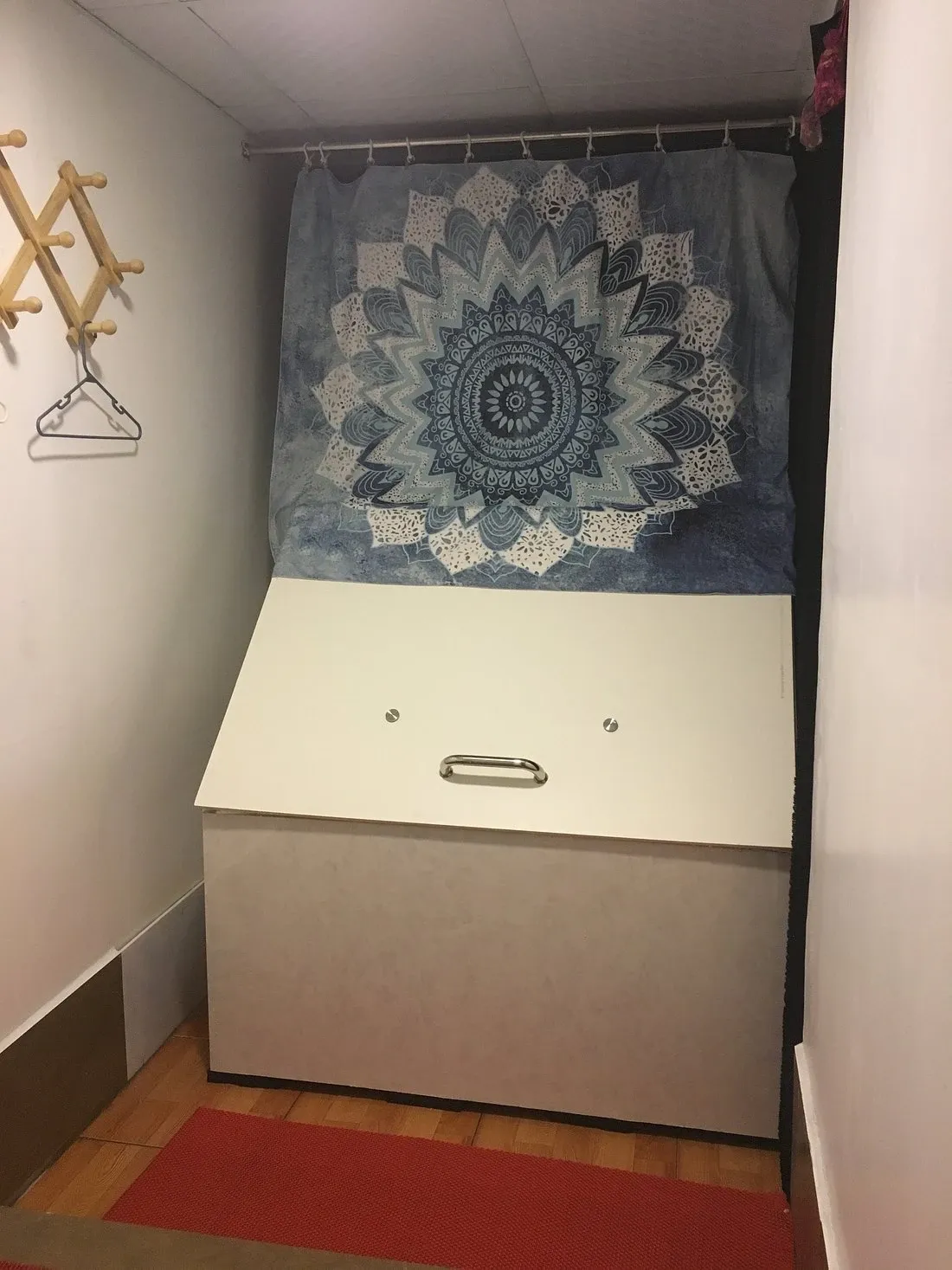
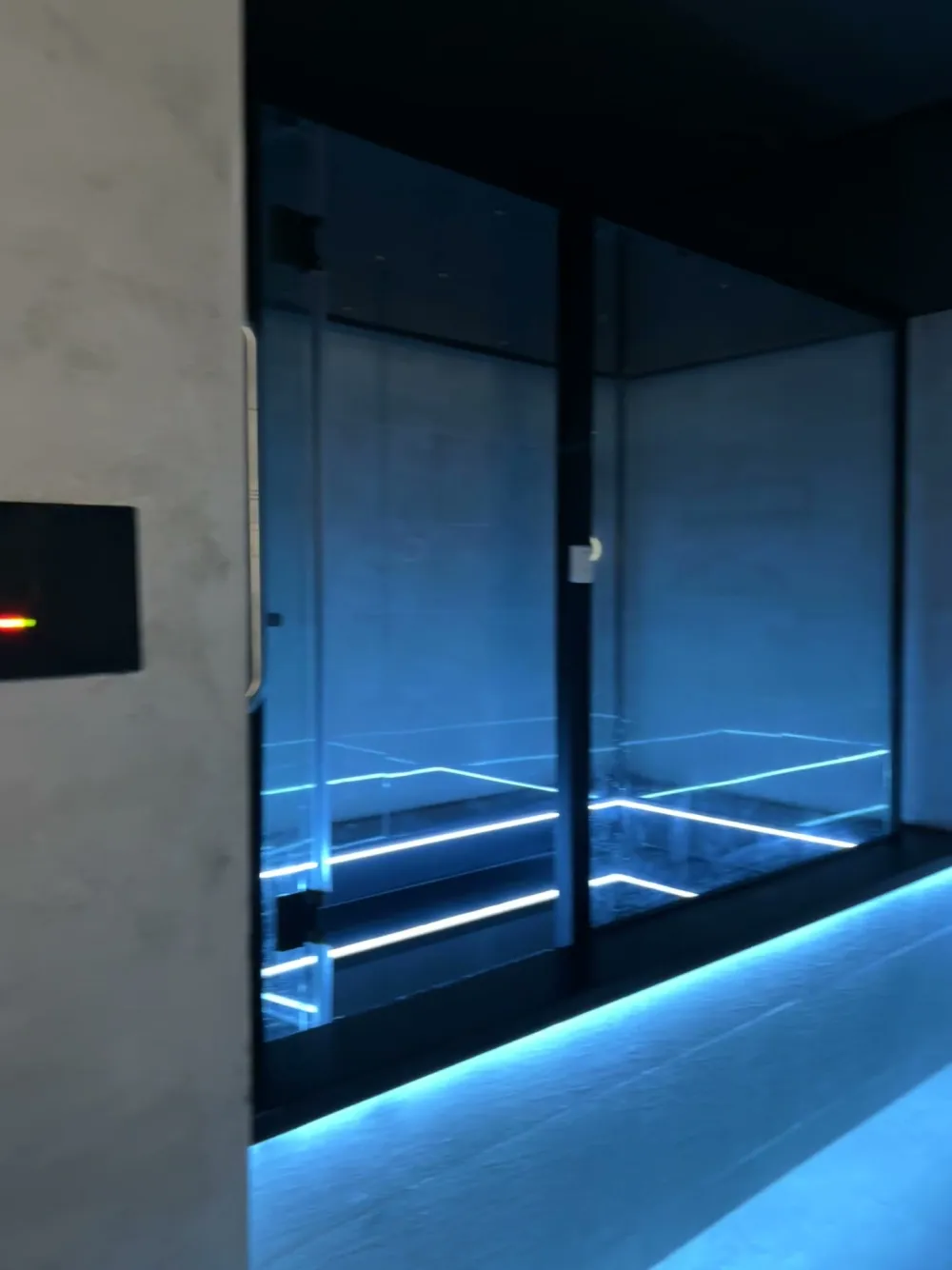
These names describe the equipment. A float tank or pod is an enclosed shell with a lid, while a float room is a larger walk-in space with a high ceiling, which suits people who prefer more space. In all of them you float in about 25 cm of water with roughly 500 kg of dissolved Epsom salt, kept at skin temperature (around 33–34 °C).
Floating, float therapy and Thiền Nổi
Most float centres today prefer simple words: floating, float therapy or floatation therapy. These names put the focus on the experience of deep rest rather than on what is taken away. In Vietnam, where Float Vietnam brought floating in 2017, it is widely known as Thiền Nổi, literally “floating meditation”.
Whatever you call it, the practice is the same: an hour or more of quiet, weightless rest for body and mind. New to it? Start with what float therapy is.
New to the term? Start with what sensory deprivation is, and what it does to the brain.
Try it at Ōmni Space. Float Vietnam’s float rooms are at 16C Quoc Huong, Thao Dien, Ho Chi Minh City (Saigon), open daily 9:00–21:00. Book a float or read the float therapy FAQ.
Frequently asked questions
Is a sensory deprivation tank the same as a float tank?
Yes. Sensory deprivation tank, isolation tank and float tank all refer to the same idea: floating in dense, skin-temperature salt water with little or no light and sound. Float centres today mostly use the friendlier term float tank or float therapy.
What does REST stand for?
REST stands for Restricted Environmental Stimulation Technique (sometimes Therapy). Floatation-REST is the term researchers use for floating in a dark, quiet tank of Epsom salt water.
Who invented the isolation tank?
Neuroscientist John C. Lilly built the first isolation tank in 1954 at the US National Institute of Mental Health to study the brain with minimal outside stimulation.