Key takeaways
- Over-the-counter painkillers such as paracetamol and ibuprofen work well for short-term pain but carry liver, stomach, kidney and heart risks if misused or used long term.
- Human evidence for CBD in pain and anxiety is still limited and mixed; CBD sits in a legal grey area in Vietnam, and Float Vietnam does not sell or recommend it.
- Float therapy is a drug-free option that studies link to lower stress and less stress-related muscle pain. It supports medical care rather than replacing it.
Quick answer: There is no single best option for everyone. Painkillers suit acute, short-term pain when taken at the right dose. CBD is popular, but evidence for pain and stress is weak, product quality varies and its legal status in Vietnam is unclear. Float therapy is a drug-free relaxation method with research support for stress-related pain, and it can sit alongside the treatment your doctor recommends.
Why people compare CBD, painkillers and floating
Back pain, a stiff neck and constant stress are everyday problems, especially for desk workers. Many people worry about taking painkillers too often and look for something more “natural”, and CBD (cannabidiol, a compound from the hemp/cannabis plant) is heavily marketed online. This article compares three options side by side: painkillers, CBD and float therapy, so you have balanced information before talking to your doctor.
Painkillers: fast and effective, if used correctly
Paracetamol (acetaminophen)
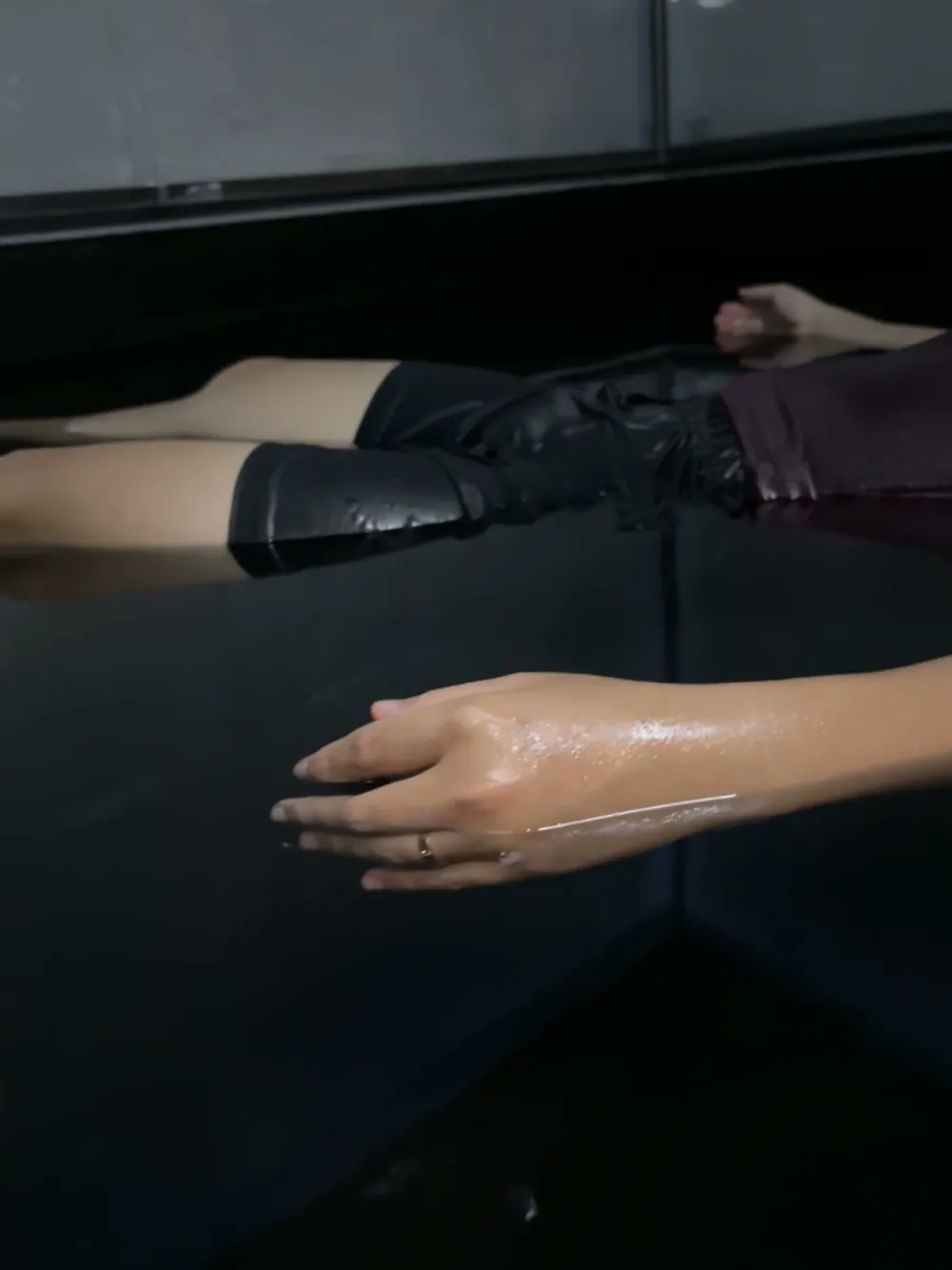
Paracetamol is a familiar choice for mild to moderate pain and fever. At the recommended dose it is generally safe, but taking too much, combining several products that contain paracetamol, or drinking alcohol while using it can cause serious liver damage.
NSAIDs such as ibuprofen
NSAIDs reduce both pain and inflammation, which makes them useful for muscle, joint and injury pain. Long-term or high-dose use can irritate or ulcerate the stomach, affect the kidneys and raise cardiovascular risk, particularly in older adults and people with existing conditions.
Opioids
Opioids should only be used with a prescription and under a doctor’s supervision because of the risk of dependence and significant side effects.
Overall, painkillers are very effective for short-term pain. Read the label, stick to the dose, and ask a pharmacist or doctor if you need them regularly or take other medicines.
CBD: lots of interest, limited evidence
CBD is thought to act on the endocannabinoid system and some receptors involved in pain and anxiety, and unlike THC it does not cause a “high”. However, human studies of CBD for chronic pain and anxiety are few, mostly small, and their results are mixed.
The one well-established approved use is a prescription CBD medicine (Epidiolex), approved by the US Food and Drug Administration in 2018 for certain rare forms of epilepsy. That approval does not mean over-the-counter CBD products relieve pain.
- Variable quality: the actual CBD content may differ from the label, and some products may contain THC.
- Drug interactions: CBD can affect liver enzymes that process many medicines, changing how they work, and can affect liver test results.
- Legal status in Vietnam: cannabis is a controlled narcotic in Vietnam, and CBD products sit in a legal grey area and are not approved as medicine. Check current regulations and talk to a doctor.
Float Vietnam does not sell or recommend CBD.
Float therapy: a drug-free option
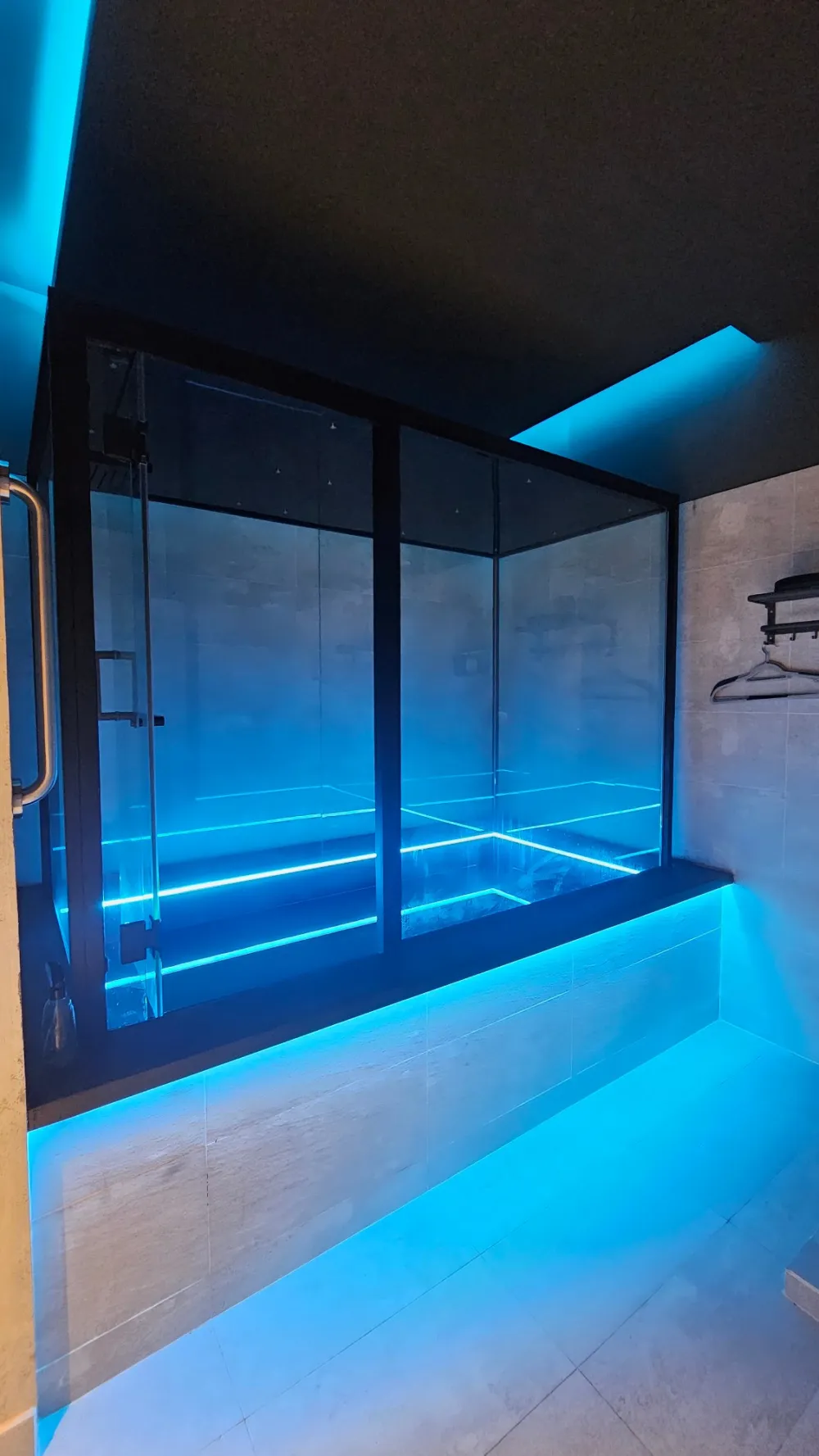
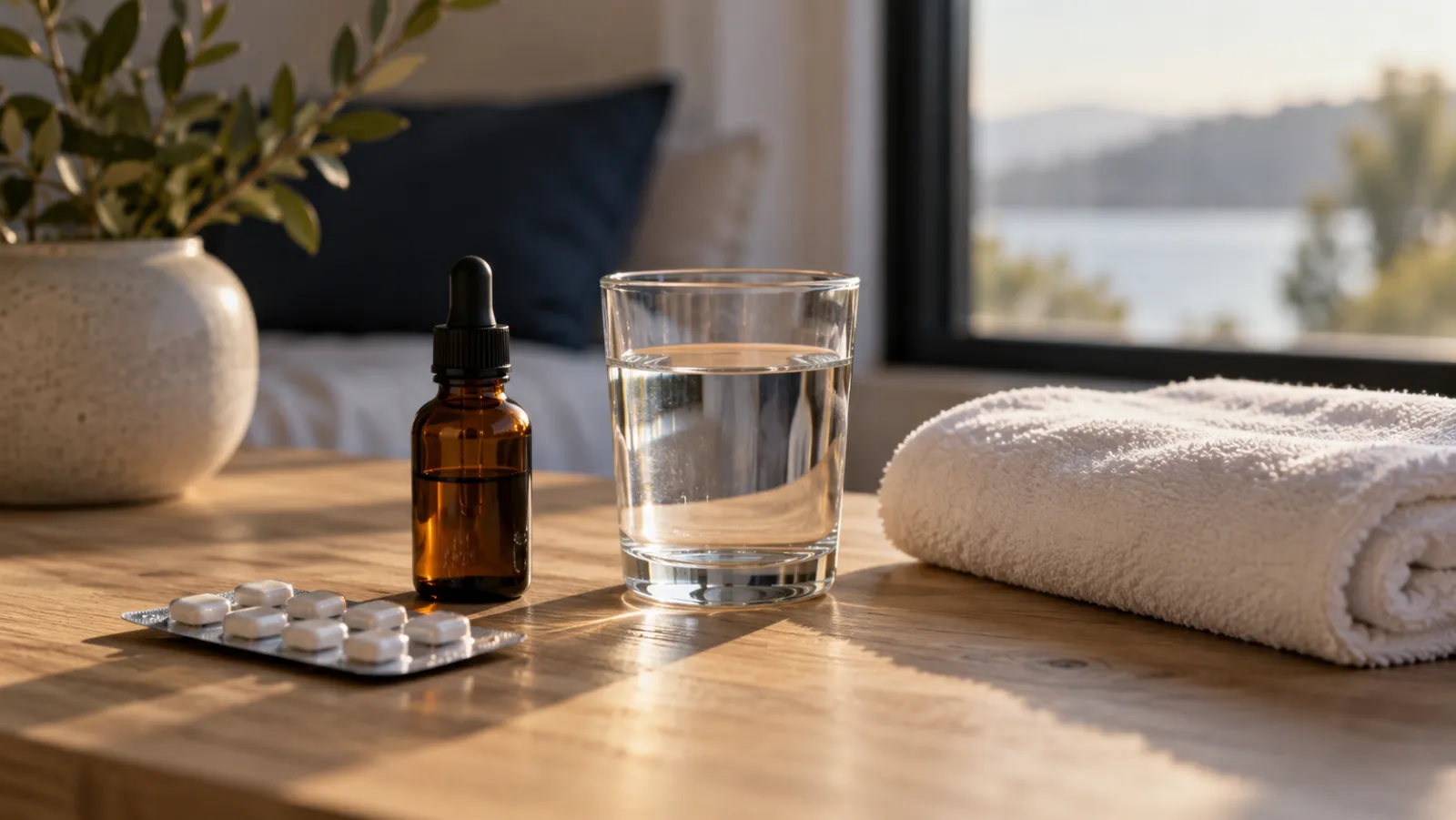
Float therapy (floatation-REST) means lying in about 25 cm of water with roughly 500 kg of dissolved Epsom salt, at skin temperature, in a quiet, dark room. The body no longer works against gravity, the senses get a break, and the nervous system can shift into deep relaxation.
Swedish studies found that people with stress-related muscle pain reported lower pain intensity, less stress and better sleep after a series of floats (Kjellgren et al. 2001; Bood et al. 2006). Feinstein et al. (2018) reported short-term reductions in anxiety in people with anxiety disorders, and Kjellgren & Westman (2014) found lower stress and better sleep in healthy adults. Read more in scientific studies on floatation therapy and floatation therapy for pain.
Most of these studies are small, so floating is best seen as a complement to care. Do not float with open wounds, uncontrolled epilepsy, severe kidney disease or certain other conditions; if you are under treatment, ask your doctor first.
Side-by-side comparison
| Painkillers | CBD | Float therapy | |
|---|---|---|---|
| How it works | Blocks pain signals; NSAIDs also reduce inflammation | Thought to act on the endocannabinoid system | No gravity load, reduced sensory input, calmer nervous system |
| Evidence | Strong for acute, short-term pain | Limited and mixed for pain and anxiety | Small studies report less stress and stress-related muscle pain |
| Main risks | Liver (paracetamol); stomach, kidney, heart (NSAIDs); dependence (opioids) | Drug interactions, liver effects, unreliable labels, legal issues | Low risk; some contraindications apply |
| Cost and practicality | Cheap, widely available, works quickly | Prices vary; quality hard to verify | Visit a float centre; 60–120 minutes per session |
| Best suited to | Acute pain, taken as directed | Only with medical advice | People wanting to ease stress and muscle tension without extra medication |
On cost, a 60-minute single float at Ōmni Space is 1,500,000 VND, and the intro package of three 90-minute floats is 3,000,000 VND. See the full pricing.
The bottom line: not either-or
These options are not mutually exclusive. Painkillers remain a sensible tool for acute pain when used correctly. If you want to rely less on medication for ongoing muscle tension and stress, float therapy is a drug-free option worth trying alongside movement, good sleep and your doctor’s advice. Floating does not cure illness, but it can give your body and mind a genuine pause. Learn more about how floating reduces stress.
Note: This page is for general information. Float therapy supports wellbeing but does not replace diagnosis or treatment by a doctor. If you have a medical condition, ask your doctor before floating.
Try it at Ōmni Space. Float Vietnam’s float rooms are at 16C Quoc Huong, Thao Dien, Ho Chi Minh City (Saigon), open daily 9:00–21:00. Book a float or read the float therapy FAQ.
Frequently asked questions
Is CBD better than float therapy for pain?
There is no good evidence that CBD products work better than other options for pain. Float therapy has small studies supporting it for stress-related muscle pain and is drug-free, but neither replaces medical advice.
Is CBD legal in Vietnam?
Cannabis is a controlled narcotic in Vietnam and CBD products sit in a legal grey area and are not approved as medicine. Float Vietnam does not sell or recommend CBD; check current regulations before considering it.
Can I float while taking painkillers?
In most cases yes, since floating does not interact with medication. If you have a medical condition or take medicines regularly, ask your doctor before your first float.