Updated: 11 October 2026 · Compiled by Float Vietnam
Key takeaways
- Float therapy and cold plunges are near opposites: floating is warm water at 34–35 °C for 60–90 minutes so the body and nervous system can rest; a cold plunge is water at 10–15 °C for a few minutes, a stimulating “shock”.
- Cold plunges have better evidence for reducing muscle soreness after exercise; floating has better evidence for stress and anxiety. Both still rely on many small studies.
- Want to feel alert and energised: choose a cold plunge. Want deep relaxation and a quieter mind: choose floating. If you have heart disease, high blood pressure or are pregnant, ask your doctor before cold plunging.
Quick answer: Float therapy and cold plunges serve different goals. Floating uses warm Epsom salt water, darkness and silence to shift the body into rest, which suits people who are stressed or find it hard to unwind. A cold plunge uses water at 10–15 °C for a few minutes to stimulate the body, which suits people who want to feel alert or ease soreness after training. You can use both, depending on what you need that day.
How are float therapy and cold plunges different?
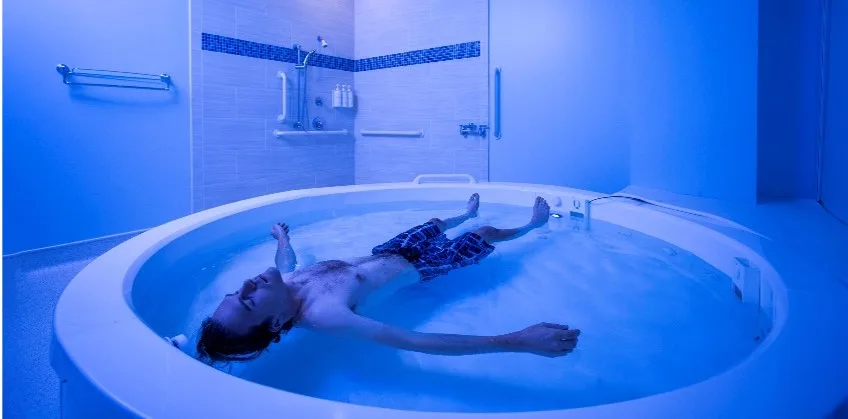
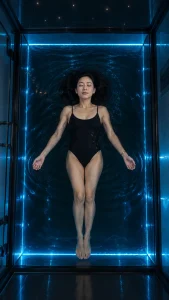
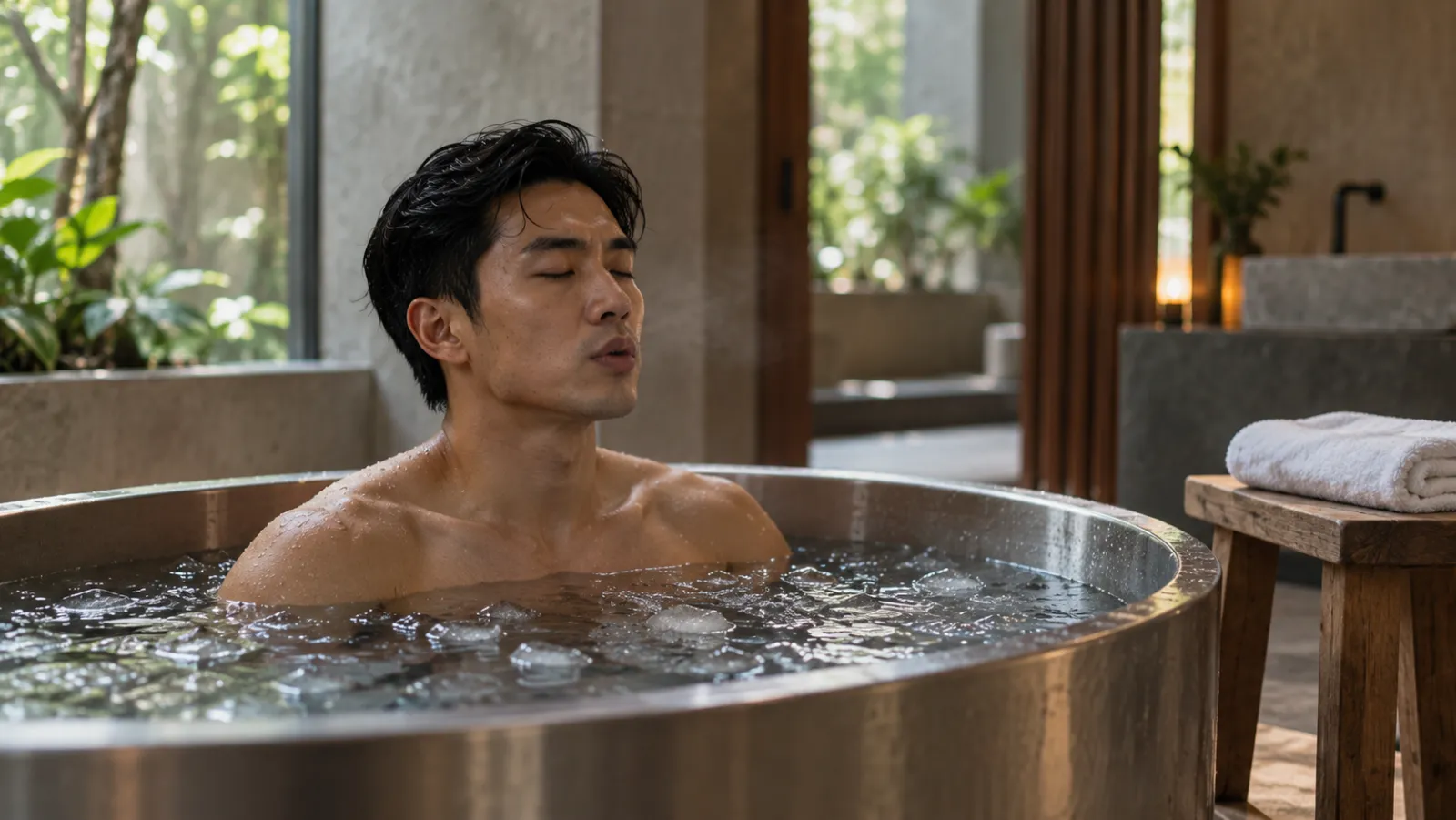
Float therapy means lying on your back on about 25 cm of water saturated with about 500 kg of Epsom salt, kept near skin temperature (34–35 °C), in a dark, quiet room, usually for 60–90 minutes. The aim is to remove most outside signals so the body can rest. A cold plunge, also called an ice bath, means immersing yourself to the neck or shoulders in water at about 10–15 °C, usually for anything from a few dozen seconds to about 10–15 minutes. The aim is the opposite: a strong stimulus that makes the body react. So the after-feeling differs too. After floating, most people describe feeling slowed down, light and sometimes sleepy. After a cold plunge, people usually feel alert, with skin warming up and a rush of energy. The table below compares the two at a glance.
| Float therapy | Cold plunge | |
|---|---|---|
| Water temperature | 34–35 °C, near skin temperature | About 10–15 °C |
| Typical duration | 60–90 minutes | A few dozen seconds to about 15 minutes |
| Main body response | Rest: breathing and blood pressure fall while floating | Stimulation: racing heart, gasping at first, adrenaline/noradrenaline rise |
| How you feel after | Slowed down, light, mind settled | Alert, refreshed, warm as you recover |
| Best current evidence | Short-term stress and anxiety | Less muscle soreness after exercise |
| Take care with | Open wounds, uncontrolled epilepsy, after alcohol | Heart disease, high blood pressure, pregnancy, after alcohol, signs of heatstroke |
What does a cold plunge do to the body?
When you step into cold water, the body reacts almost instantly with the “cold shock response”: a sharp gasp, rapid breathing, a racing heart and rising blood pressure over the first one to three minutes. A review by Tipton and colleagues (2017) stresses that this is both why cold water can be dangerous and the root of many claimed benefits, and that the evidence for each benefit varies widely. A classic study by Šrámek and colleagues (2000) had young men immersed to the neck for an hour at 14 °C: blood noradrenaline rose by about 530%, dopamine by about 250% and metabolic rate by about 350%. That is far longer than people usually plunge, but it helps explain the alert feeling afterwards. A 2023 fMRI study (Yankouskaya et al.) found that just five minutes of cold-water immersion left participants feeling more positive and alert and less distressed and nervous.
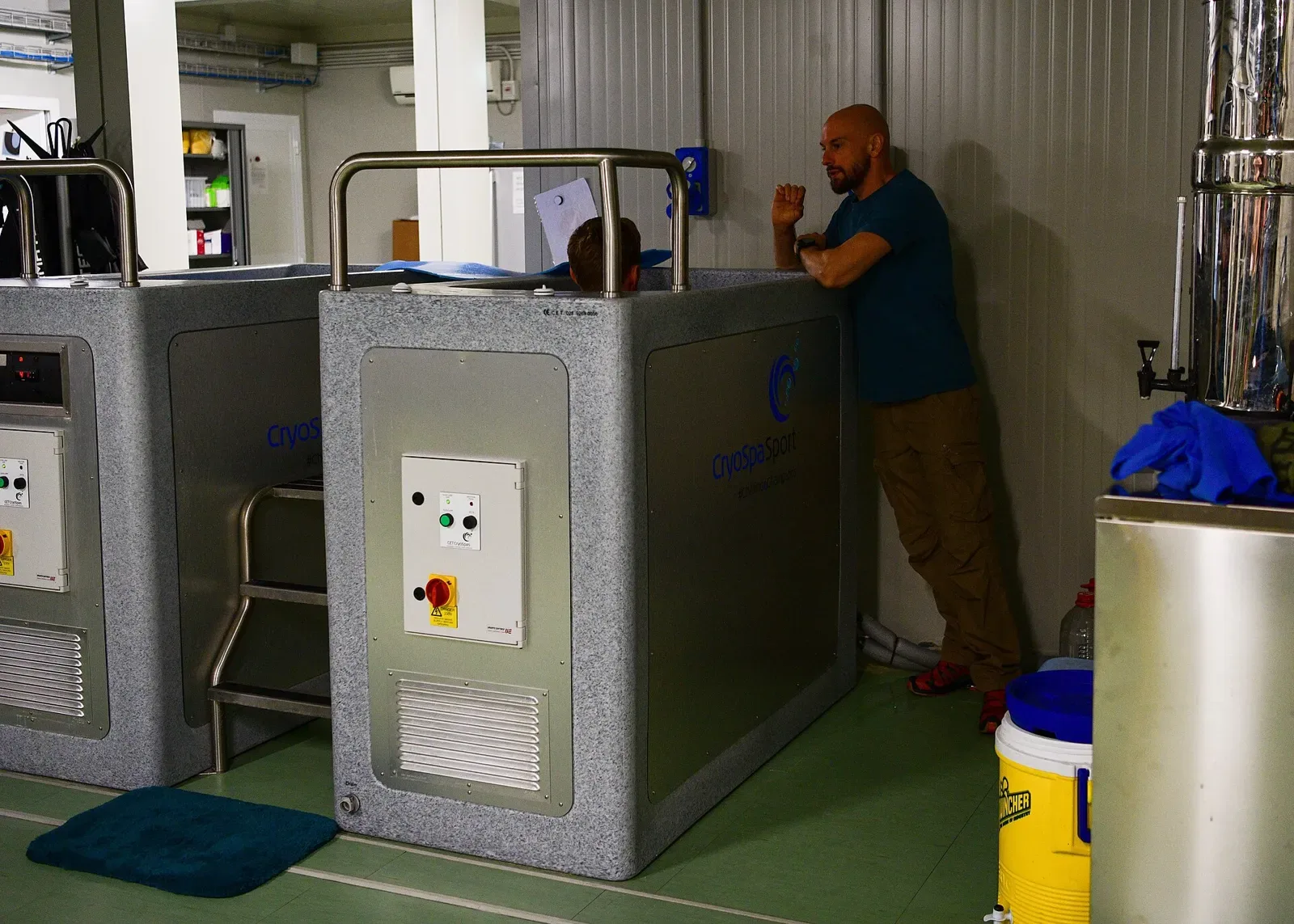
The overall picture is still modest. A 2025 meta-analysis (Cain et al.) pooled 11 studies with 3,177 healthy adults: stress was clearly lower 12 hours after cold-water immersion, but not immediately, or at 1, 24 or 48 hours; markers of inflammation even rose briefly right after immersion, an acute response to the cold.
What does float therapy do to the body?
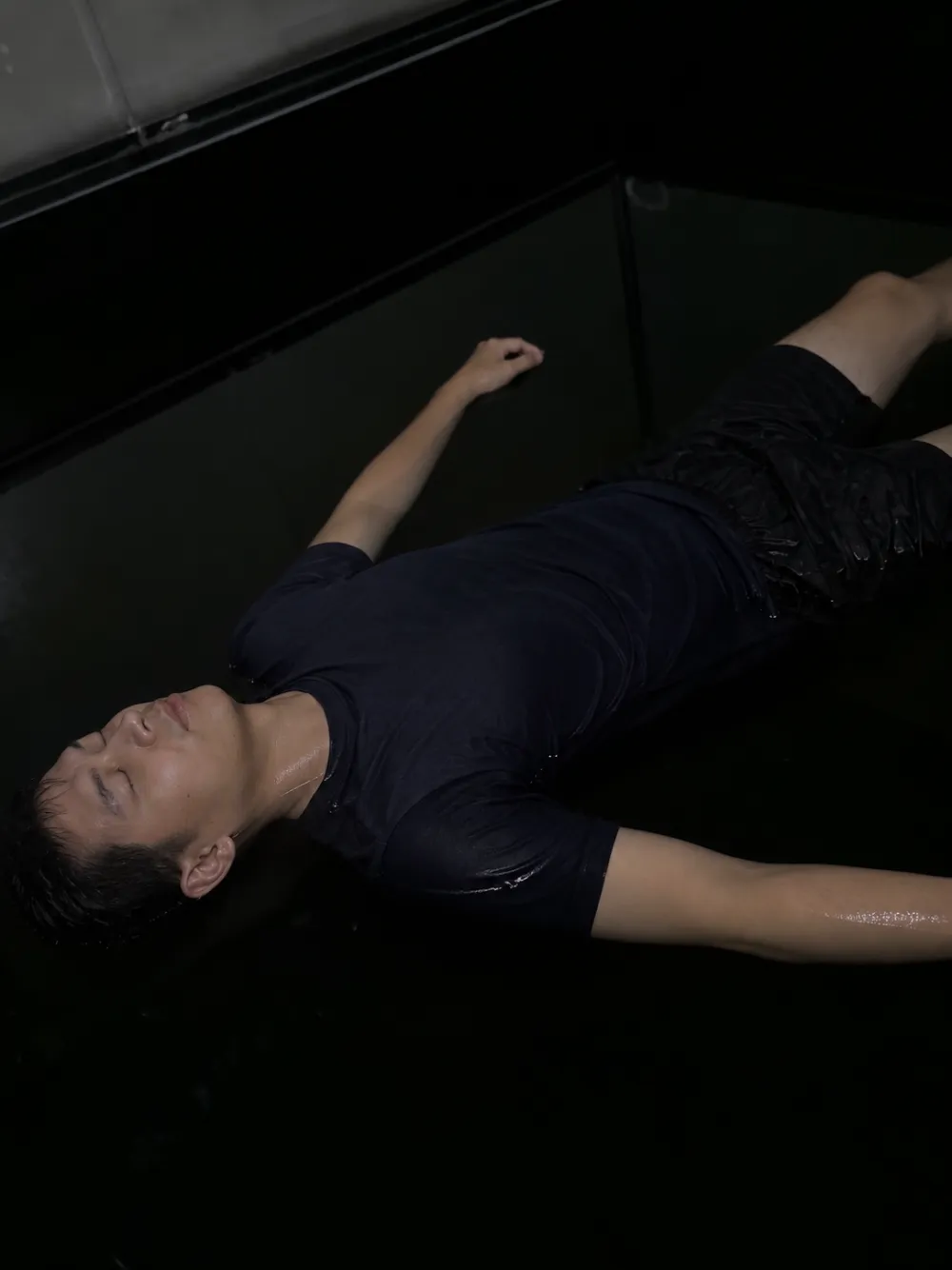
Floating works in the opposite direction. In a crossover study at the Laureate Institute (Flux et al., 2022), compared with watching a relaxing nature film, floating lowered systolic and diastolic blood pressure and breathing rate and raised high-frequency heart rate variability, a sign of parasympathetic (“rest and digest”) activity. In 50 people with anxiety disorders, a single 60-minute float was followed by a very large drop in momentary anxiety (Feinstein et al., 2018), and later research showed mood effects lasting about 48 hours. For stress, a 2005 meta-analysis of 27 studies (449 participants) found positive effects on physiological measures and wellbeing. In short: a cold plunge switches the body on, and floating helps it power down. Read more in our summary of seven Laureate Institute studies.
Recovery after training: cold plunge or float?
If your goal is less muscle soreness after a hard session, cold plunges have clearer evidence. A meta-analysis by Machado and colleagues (2016) of nine randomised trials found cold-water immersion reduced soreness more than passive recovery, with the best results at 10–15 °C for 10–15 minutes. A 2012 Cochrane review (Bleakley et al., 17 small trials, 366 people) saw the same trend but rated study quality as low. One less-known point: if you lift to build muscle, plunging after every session may slow your progress. In a study by Roberts and colleagues (2015), 21 men strength-trained for 12 weeks; those who did 10 minutes of cold-water immersion after each session gained less strength and muscle than those who did active recovery. Floating mainly helps perceived recovery: less fatigue and soreness and better mood, while physiological effects are inconsistent.
The five studies on floating for athletes are covered in float therapy for athletes.
Should you combine floating and a cold plunge?
No study has yet tested combining floating with a cold plunge in the same visit, so the suggestions below are based on how each one works and on practical experience, not a scientific protocol. The simplest approach is to choose by your goal for the day:
- Need to feel alert and energised (morning, before work): a short cold plunge, then dry off and warm up.
- Need deep relaxation or better sleep (late afternoon or evening, after a stressful week): a 90-minute float, with no plunge afterwards.
- After a hard workout: a few minutes in the cold to ease soreness, or a float to unwind; if you are training for muscle gain, do not plunge after every session.
- Want to try both: many people plunge first and float second so they finish relaxed. Shower and let your body warm up before getting into the float pool.
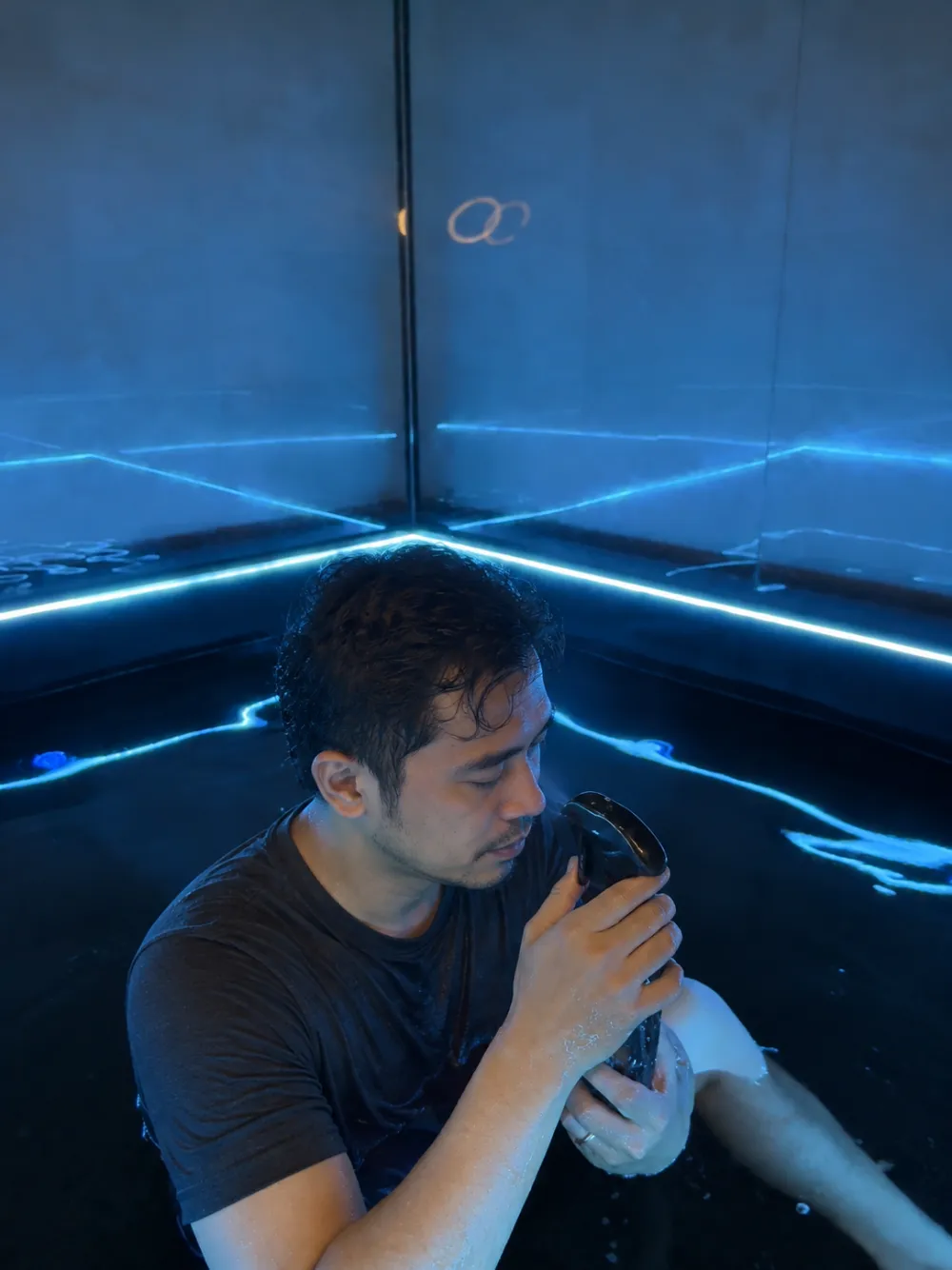
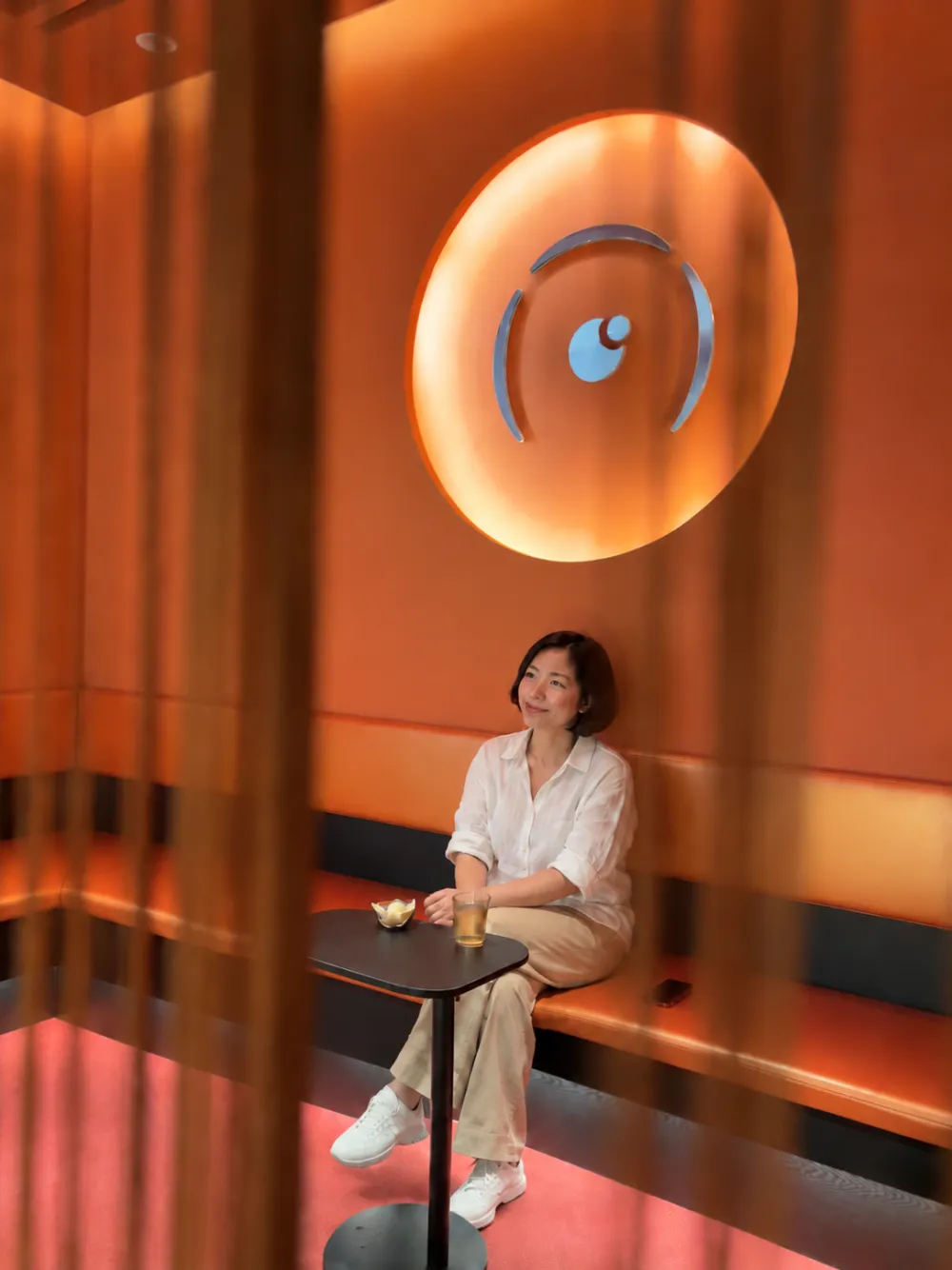
At Ōmni Space in Thao Dien, Saigon, the cold plunge is kept at about 11–15 °C; guests dip at their own pace within a 30-minute slot, with staff keeping watch. Bring your own swimwear; towels are provided. The cold plunge or the infrared sauna (45 minutes) costs 450,000 VND each, or 200,000 VND extra when added to a float. See services at Ōmni Space or compare more options in float vs massage vs sauna.
Who should avoid cold plunges, and who should avoid floating?
Avoid cold plunges, or ask your doctor first, if you have heart disease or high blood pressure, are pregnant, have just been drinking alcohol, or show signs of heat exhaustion or heatstroke. The cold shock response raises heart rate and blood pressure suddenly, so this is not something to push through. For floating, do not float with open wounds, uncontrolled epilepsy or after alcohol; people with heart or kidney disease, low blood pressure or pregnancy should ask their doctor. At Ōmni, every guest fills in a health questionnaire before using any service. Read more in is float therapy safe.
Note: This page is for general information. Float therapy supports wellbeing but does not replace diagnosis or treatment by a doctor. If you have a medical condition, ask your doctor before floating.
Try it at Ōmni Space. Float Vietnam’s float rooms are at 16C Quoc Huong, Thao Dien, Ho Chi Minh City (Saigon), open daily 9:00–21:00. Book a float or read the float therapy FAQ.
Frequently asked questions
Is float therapy or a cold plunge better?
Neither is better for everyone. A cold plunge suits you when you want to feel alert or ease soreness after training; floating suits you when you want deep relaxation and less stress.
Should I cold plunge before or after floating?
There is no research on the order. Many people plunge first and float second to finish relaxed; shower and warm up before getting into the float pool.
How long should a cold plunge last?
Studies on muscle soreness found the best results at 10–15 °C for 10–15 minutes. Beginners should start shorter, from a few dozen seconds to a few minutes, and stop at once if they feel unwell.