Key takeaways
- Time feels faster as we age because routine days create fewer new memories, so weeks blur together in hindsight.
- New experiences, tracking your weeks, leaving gaps and practicing stillness help time feel fuller and slower.
- In a float tank, the lack of light, sound and gravity removes time cues, offering a rare hour of simply being present.
Why time seems to speed up
Part of the answer is how memory works. When life is full of new experiences, the brain records more detail, so looking back, that period feels long. When days follow the same routine, there is little new to remember, and weeks blur together. Psychologist Claudia Hammond calls this the “holiday paradox”: a week away feels short while it happens but long in memory, because it is packed with new moments.
Constant connection makes it worse. When every spare minute is filled with a screen, very little of the day is actually experienced. It is consumed. Time slips away not because it moves faster, but because we are rarely present for it.
How to slow time down
- Add novelty: a new route home, a new skill, a trip somewhere you have never been. New experiences create new memories.
- Track your weeks: like the whiteboard chart I keep, seeing time laid out makes each week feel real rather than abstract.
- Leave gaps: not every minute needs to be filled. Boredom is often where reflection begins.
- Practice stillness: meditation, a quiet walk, or an hour of doing nothing at all.
An hour outside of time
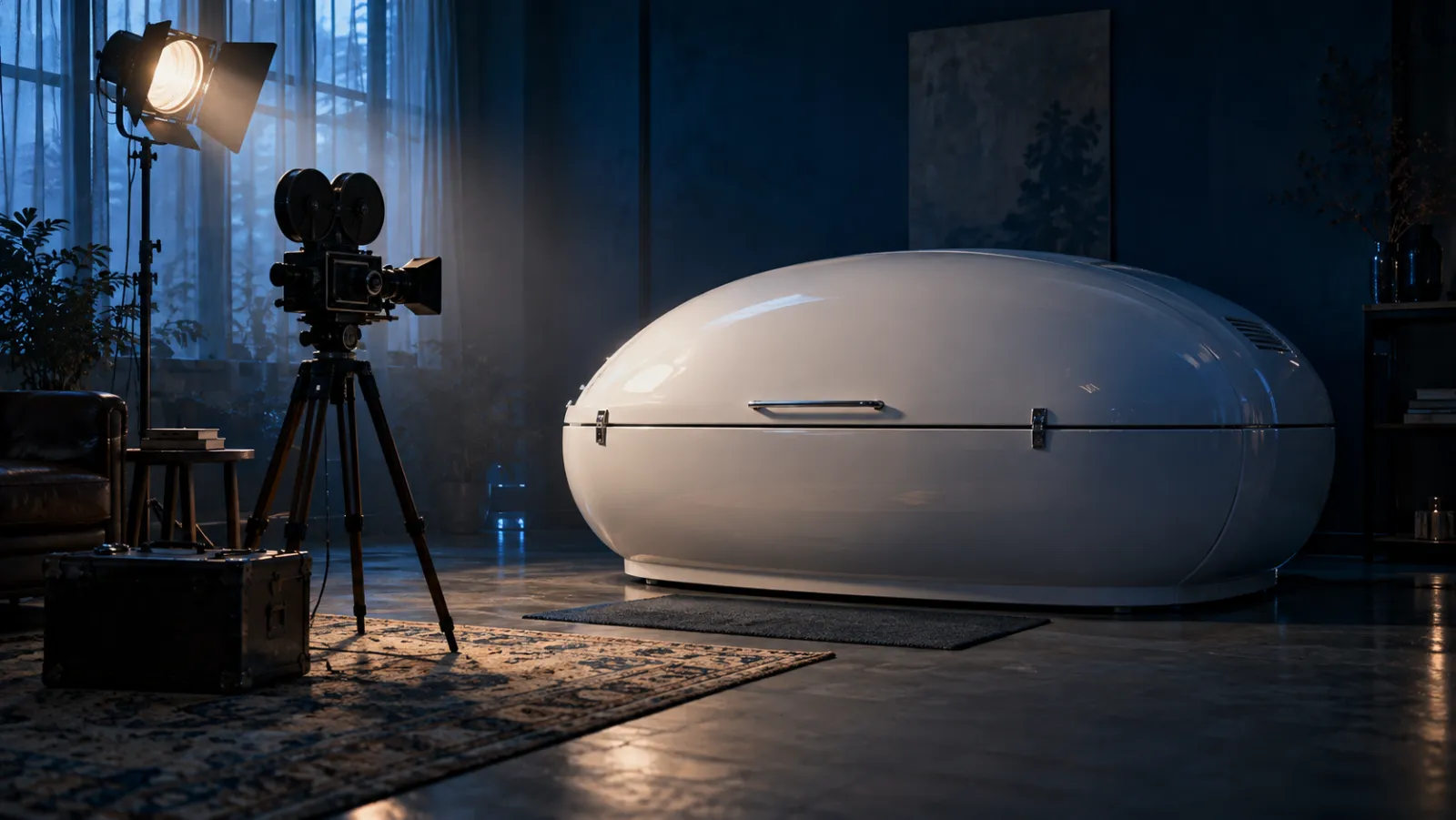
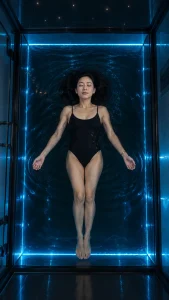
One of the strangest things people notice in a float tank is how time changes. With no light, no sound and no sense of gravity, there are no cues to mark the minutes. Some floaters feel the session pass in a moment; others feel it stretch far beyond an hour. Either way, it is rare to experience a full hour of simply being there, without anything pulling at your attention.
That is the point. We cannot stop time, but we can stop running alongside it. Moments of deep stillness remind us that the present is the only place we actually live, and that a life measured in weeks is best spent noticing them.
If you would like to try it, you can float at Ōmni Space, 16C Quoc Huong, Thao Dien, Ho Chi Minh City, open daily from 9:00 to 21:00.
Frequently asked questions
Why does time feel faster as we get older?
Routine days create fewer new memories, so periods of life feel shorter when we look back, a pattern psychologist Claudia Hammond calls the holiday paradox.
How can I make time feel slower?
Add new experiences, keep track of your weeks, leave unscheduled gaps and practice stillness such as meditation or floating.
Does floating change how you perceive time?
Many floaters report that time feels distorted in the tank, because there are no light, sound or movement cues to mark the minutes.