Updated: 11 Oct 2026 · By Float Vietnam
Key takeaways
- A transgender woman who worked at a float centre abroad shared on her personal blog how a quiet float helped her name and accept her gender identity after years of distress.
- Floating did not “fix” anything. It gave her the stillness to hear herself; the real work happened afterwards, with support from family and medical professionals.
- Float Vietnam offers a private, judgement-free space for everyone. Floating can support wellbeing but complements, never replaces, professional mental health care.
This is a story we first shared in Vietnamese in 2017. It was written by a transgender woman who worked at a float centre outside Vietnam and told her story on a personal blog. We have not been able to trace the original post today, so we retell it here briefly, in our own words and in the third person, leaving out private details. We use the pronouns she used for herself: she and her.
We share it because it shows something many floaters recognise: when the noise of the outside world goes quiet, what we have been avoiding inside can become clearer. That can be uncomfortable, and it can also be a turning point.
What was her life like before?
From adolescence, she felt that she was living in a body that did not belong to her. She disliked her shoulders and her voice, and she quietly wished she could be herself, while feeling ashamed of that wish. When she tried to talk about it, people often told her it was just a phase. The years that followed were hard. She went through emotional crises, was diagnosed with depression and received treatment. The treatment helped to a degree, but she still felt she did not understand what lay underneath her pain.
What held her steady in the darkest times, she wrote, was her love for her family: her wife, her parents and her brother. Many people facing questions about gender identity describe this same mix of isolation and deep attachment to the people closest to them.
Was floating always easy for her?
No. Because she worked at a float centre, she floated often. Some sessions were deeply peaceful. Others were filled with worry and self-criticism that seemed louder in the silence. She observed that spending quiet time alone is easy when you like yourself, and very hard when you do not understand why you are suffering.
This is an honest point that applies to many floaters, not only to her. A float removes light, sound and the feeling of gravity, so your attention has fewer places to go. For most people that brings calm; occasionally it brings difficult thoughts or feelings to the surface. If that happens, slow breathing helps, and you can always turn on the light, open the door or end the session early. You can read more about what sensory deprivation feels like and about the brain’s default mode network, which is active when the mind turns inward.
What happened during the float that changed things?
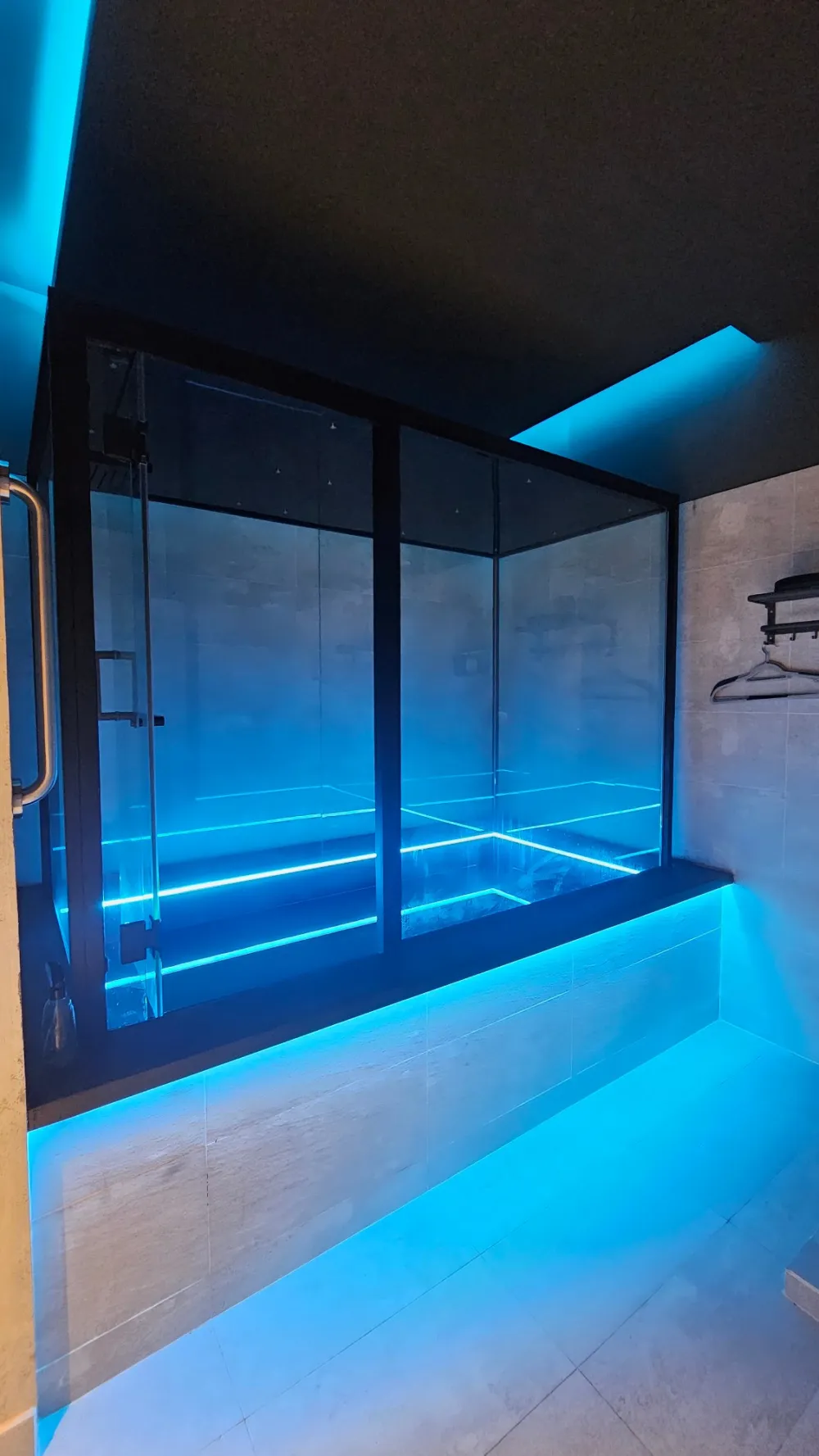
One day she floated at a small centre in the countryside. She settled quickly into a deep stillness, somewhere between sleep and wakefulness. In that state she found herself looking back over her whole life and asking a simple question: why, when everything on the outside was fine, with a loving family and work she enjoyed, did she still feel so uneasy inside?
The answer, she wrote, came very clearly: she was a woman, and she always had been. She laughed and cried at the same time, and for the first time her life seemed to make sense. Afterwards she read widely and learned that many cultures around the world have long recognised people whose gender identity differs from the sex they were assigned at birth. She realised she was not alone and not strange.
It is worth being careful about what this moment was. Floating did not create her identity or decide anything for her. It offered quiet, and in that quiet she was able to put into words something she already knew.
What changed for her afterwards?
She began to live as herself, with appropriate medical support. She described the first weeks as difficult, but things gradually settled. One day she noticed that she simply felt happy: her emotions felt richer, and the self-critical thoughts that had filled earlier floats had quietened.
She kept floating, and she found that later sessions were lighter and more positive. She was no longer afraid of being alone with her mind. In her words, floating had given her the stillness she needed to hear her own voice. Her experience is personal, and others may find their clarity in different places, such as therapy, community, journaling or time in nature.
What can floating do, and what can it not do?
Floating can offer a calm, private space to rest and reflect, and some research reports short-term reductions in stress and anxiety; see floating and anxiety relief. Many people say they understand themselves a little better after a session. But floating is not a treatment for depression, and it is not a way to resolve questions about gender identity on its own. It complements professional care and never replaces it.
- If you are questioning your gender identity or feel distressed for weeks at a time, consider talking to a doctor, counsellor or psychologist, ideally one with experience supporting LGBTQ+ people.
- If you have thoughts of harming yourself, contact emergency services or go to the nearest hospital emergency department now (in Vietnam, call 115 for medical emergencies), and reach out to someone you trust. International directories of free, confidential helplines can also point you to support in your country.
Is Float Vietnam a welcoming space for everyone?
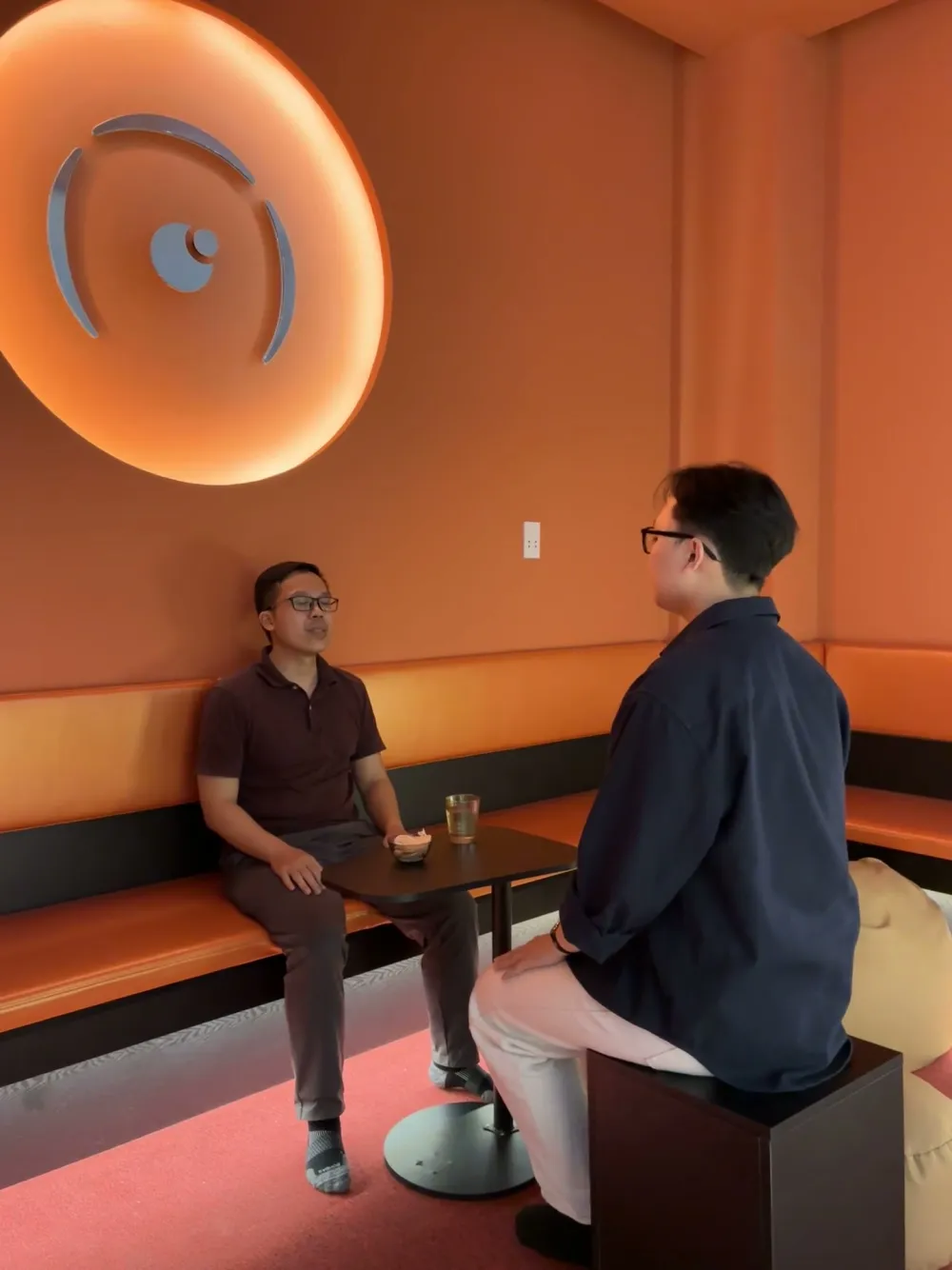
Yes. Our float rooms at Ōmni Space are private: each room has its own shower, you undress and float alone (or with a partner you choose in the couple room), and no one watches or enters while you float. Our team welcomes guests of every gender identity, sexual orientation, body and background, without judgement or questions you do not want to answer. If anything would make your visit more comfortable, just let us know when you book. New to floating? Start with your first float: what to expect.
Note: This page is for general information. Float therapy supports wellbeing but does not replace diagnosis or treatment by a doctor. If you have a medical condition, ask your doctor before floating.
Try it at Ōmni Space. Float Vietnam’s float rooms are at 16C Quoc Huong, Thao Dien, Ho Chi Minh City (Saigon), open daily 9:00–21:00. Book a float or read the float therapy FAQ.
Frequently asked questions
Can float therapy help with self-acceptance?
Some people find that the quiet of a float helps them reflect and understand themselves more clearly. It is a personal experience that varies from person to person, and it works best alongside support from people you trust and, when needed, professionals.
Is every float session relaxing?
Most sessions are calm, but occasionally worries or strong feelings come up in the silence. Slow breathing helps, and you can turn on the light, open the door or end the float at any time.
Can floating replace therapy or medical care?
No. Floating may support relaxation and lower stress, but it is not a treatment for depression or gender dysphoria. If you are struggling, please speak to a doctor or mental health professional.
Is Float Vietnam welcoming to LGBTQ+ guests?
Yes. Float rooms at Ōmni Space are private, with their own shower, and our team welcomes guests of every gender identity and background without judgement.