Updated: 11 Oct 2026 · By Float Vietnam
Key takeaways
- Some small studies report that people rate their sleep as better after a series of floats, but the evidence is limited and mixed, and floating is not an insomnia treatment.
- The most plausible link is indirect: floating reliably helps many people relax and feel less stressed, and stress is a common driver of poor sleep.
- If you have had trouble sleeping three nights a week for three months, see a doctor; CBT-I is the recommended first-line approach for chronic insomnia.
Quick answer: Float therapy may help some people sleep better, mainly by lowering stress and promoting deep relaxation, but the evidence is limited. Small studies found improved self-rated sleep as a secondary result, while trials using sleep measures and a 2025 systematic review found little or no effect. Think of floating as a relaxation habit, not an insomnia treatment.
Can float therapy help with insomnia?
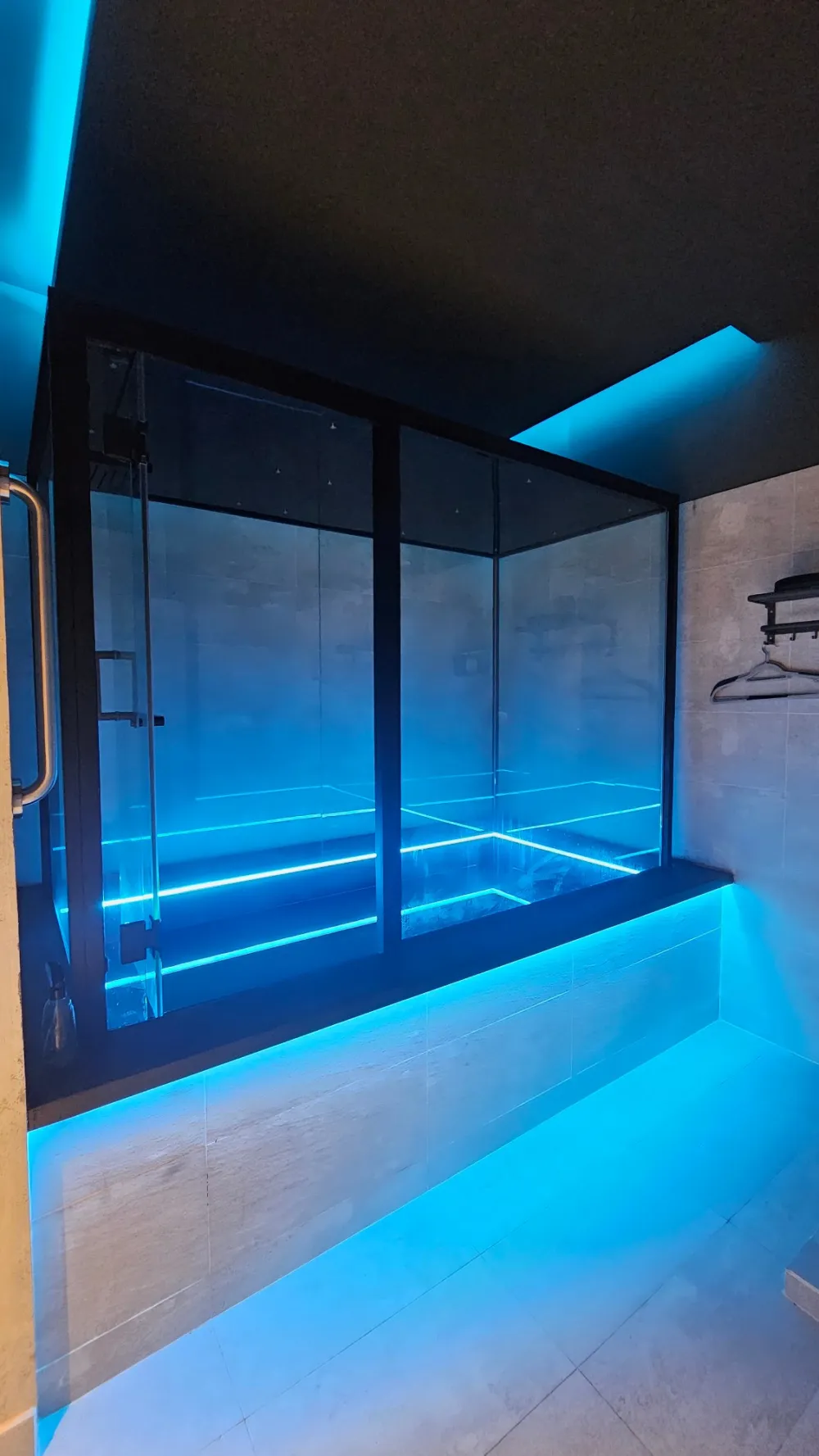
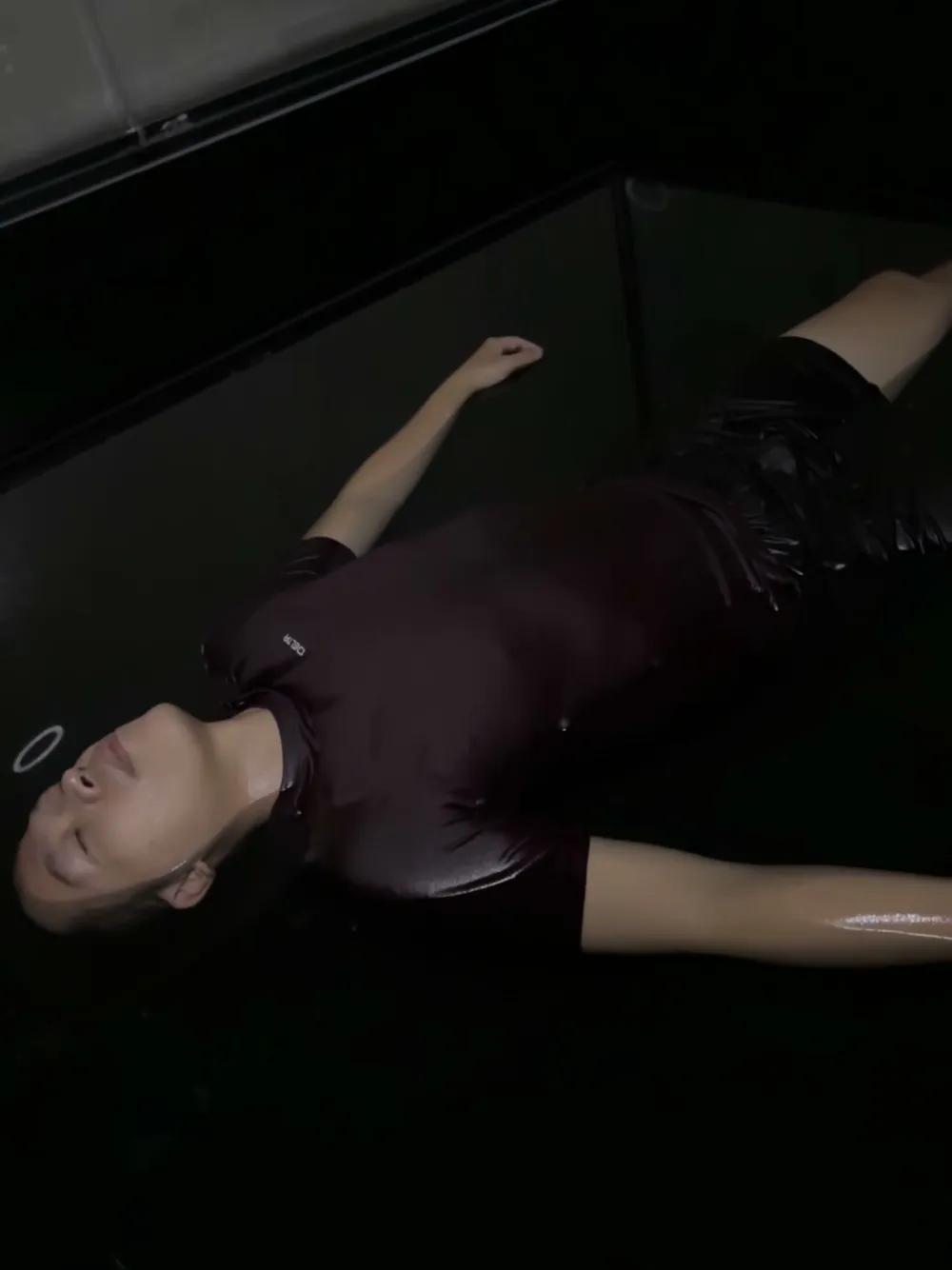
Many floaters say they sleep unusually well on the night after a session, and that is one of the most common reasons people search for float therapy for insomnia. It is a fair question, but the honest answer is nuanced. Floating, also called floatation-REST, means lying in about 25 cm of skin-temperature water with roughly 500 kg of Epsom salt dissolved in it, in a dark, quiet room. Research shows fairly consistently that this helps many people feel calmer and less stressed in the short term. What research has not shown is that floating fixes insomnia. Improvements in sleep have mostly been self-reported, often as a side result in studies looking at stress or pain, and studies that measured sleep more objectively found little change. So floating may support better sleep for some people, especially when stress keeps them awake, but it should sit alongside proper sleep care, not replace it.
What does the research on float tank sleep actually show?
The research on float tank sleep is small and uneven. In a randomised trial of healthy adults, Kjellgren and Westman (2014) found that a series of floats lowered stress and that participants rated their sleep quality as better, though sleep was a secondary outcome. An earlier study of people with stress-related muscle pain (Kjellgren and colleagues, 2001) also reported better self-rated sleep alongside less pain. When researchers focused on people with insomnia, the picture became less clear: a small study by Norell-Clarke and colleagues (2022) found mixed results, with no consistent improvement across sleep measures. In a larger study of 97 athletes, Vatne and colleagues (2025) saw no change in sleep data recorded by wearable devices after floating. A 2025 systematic review by Lashgari and colleagues concluded that the evidence for an effect on sleep disorders was limited or absent. The table summarises where things stand.
| What research shows | Strength |
|---|---|
| Floating lowers self-reported stress and anxiety in the short term (e.g. Kjellgren & Westman 2014; Feinstein et al. 2018) | Moderate, mostly small studies |
| Healthy adults rate their sleep as better after a series of floats (Kjellgren & Westman 2014, secondary outcome) | Weak: self-report, small sample |
| People with stress-related pain report better sleep (Kjellgren et al. 2001) | Weak: self-report, small sample |
| Floating improves sleep in people with insomnia (Norell-Clarke et al. 2022) | Mixed: small study, inconsistent results |
| Floating changes objectively tracked sleep in athletes (Vatne et al. 2025, 97 athletes) | No measurable effect found |
| Floating is effective for sleep disorders (Lashgari et al. 2025 systematic review) | Limited to no evidence |
Why might floating help some people sleep better?
If floating does help your sleep, the most likely reason is relaxation rather than anything specific to sleep. Many people lie awake because their body and mind stay switched on: a busy day, worry about tomorrow, screens until late. A float removes most of the usual input at once. There is no light if you turn it off, very little sound, and the dense salt water carries your weight, so muscles that normally hold you up can let go. Breathing tends to slow down, and many floaters drift into a calm, half-awake state that is often linked to theta waves. Lower stress during the day can make it easier to wind down at night, which fits with what research shows about floating and stress. For some people, the float also becomes practice in noticing thoughts without chasing them, a skill that helps at bedtime. None of this guarantees better sleep, but it explains why some people notice it.
How can you use float therapy to support better sleep?
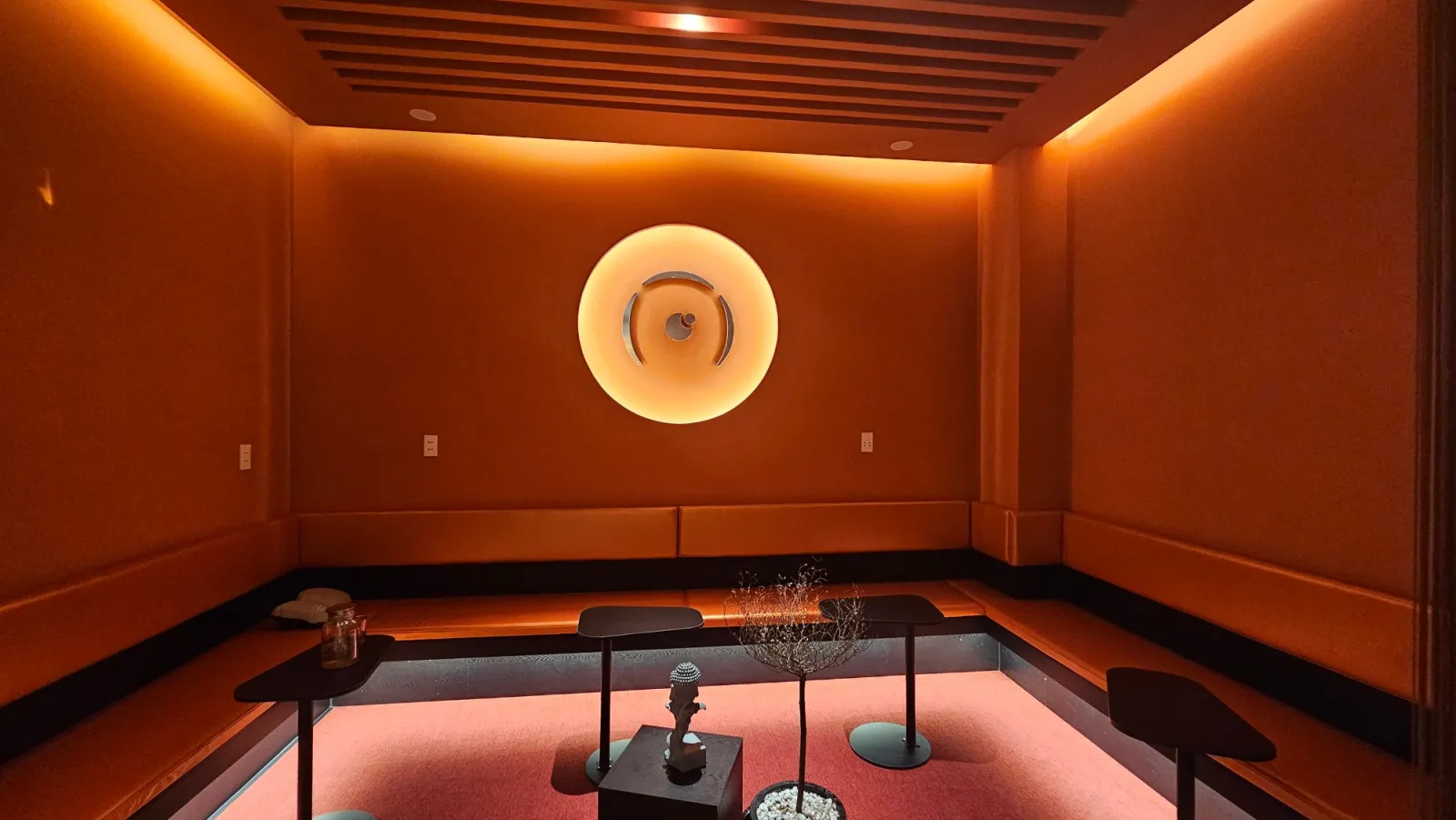
If you want to see whether floating helps your own sleep, treat it as an experiment and pair it with good sleep habits. Many people prefer a late-afternoon or early-evening float, then a quiet evening and an earlier bedtime, because the calm feeling after a session tends to fade over a few hours. Book more than one float, since the first session is mostly about getting used to the water; Float Vietnam suggests two to three floats a month for the first two to three months. It helps to keep a simple sleep diary for a few weeks, noting when you floated, when you fell asleep and how rested you felt, so you can judge honestly rather than rely on one good night. Falling asleep in the pool is common and safe, as explained in what happens if you fall asleep in the float tank. The habits below matter at least as much as the float itself.
- Avoid coffee, strong tea and energy drinks from early afternoon on float days, and ideally every day.
- After your float, rest in the lounge and keep your phone away for a while.
- Keep a regular wake-up time, even at weekends.
- Keep the bedroom dark, cool and quiet, and stop using screens about an hour before bed.
- Limit alcohol in the evening; it can make sleep lighter and more broken.
When should you see a doctor about insomnia?
Occasional bad nights are part of life, but ongoing insomnia deserves proper medical attention. As general guidance, talk to a doctor if you have had trouble falling or staying asleep at least three nights a week for three months or more, if poor sleep is affecting your mood, work or safety during the day, or if a partner notices loud snoring, gasping or pauses in your breathing, which can be signs of sleep apnoea. For chronic insomnia, cognitive behavioural therapy for insomnia (CBT-I) is widely recommended as the first-line approach; it is a structured programme that changes the habits and thoughts that keep insomnia going. A doctor can also check for causes such as pain, thyroid problems, depression or anxiety, or side effects of medication. If you already take sleep medication, do not change or stop it without medical advice. Floating can be a pleasant way to relax alongside that care, never a substitute for it.
Note: This page is for general information. Float therapy supports wellbeing but does not replace diagnosis or treatment by a doctor. If you have a medical condition, ask your doctor before floating.
Try it at Ōmni Space. Float Vietnam’s float rooms are at 16C Quoc Huong, Thao Dien, Ho Chi Minh City (Saigon), open daily 9:00–21:00. Book a float or read the float therapy FAQ.
Frequently asked questions
Does float therapy cure insomnia?
No. Some small studies report better self-rated sleep after floating, but trials using sleep measures and a 2025 systematic review found limited or no effect on sleep disorders. Floating is a relaxation aid, not a medical treatment.
What is the best time of day to float for sleep?
Many people prefer a late-afternoon or early-evening float, followed by a quiet evening and an earlier bedtime, so the relaxed feeling carries into the night.
How many floats does it take to notice better sleep?
There is no fixed number. The first float is mostly about getting used to the water, so try two or three sessions and keep a simple sleep diary to judge honestly.
Can I float if I take sleeping pills?
Ask your doctor first, mention the medication on the health questionnaire, and do not change or stop any prescribed medication on your own.