Key takeaways
- Theta waves are slow brain rhythms (roughly 4–8 Hz) seen on EEG in drowsy, dreamlike states, deep relaxation and some forms of meditation.
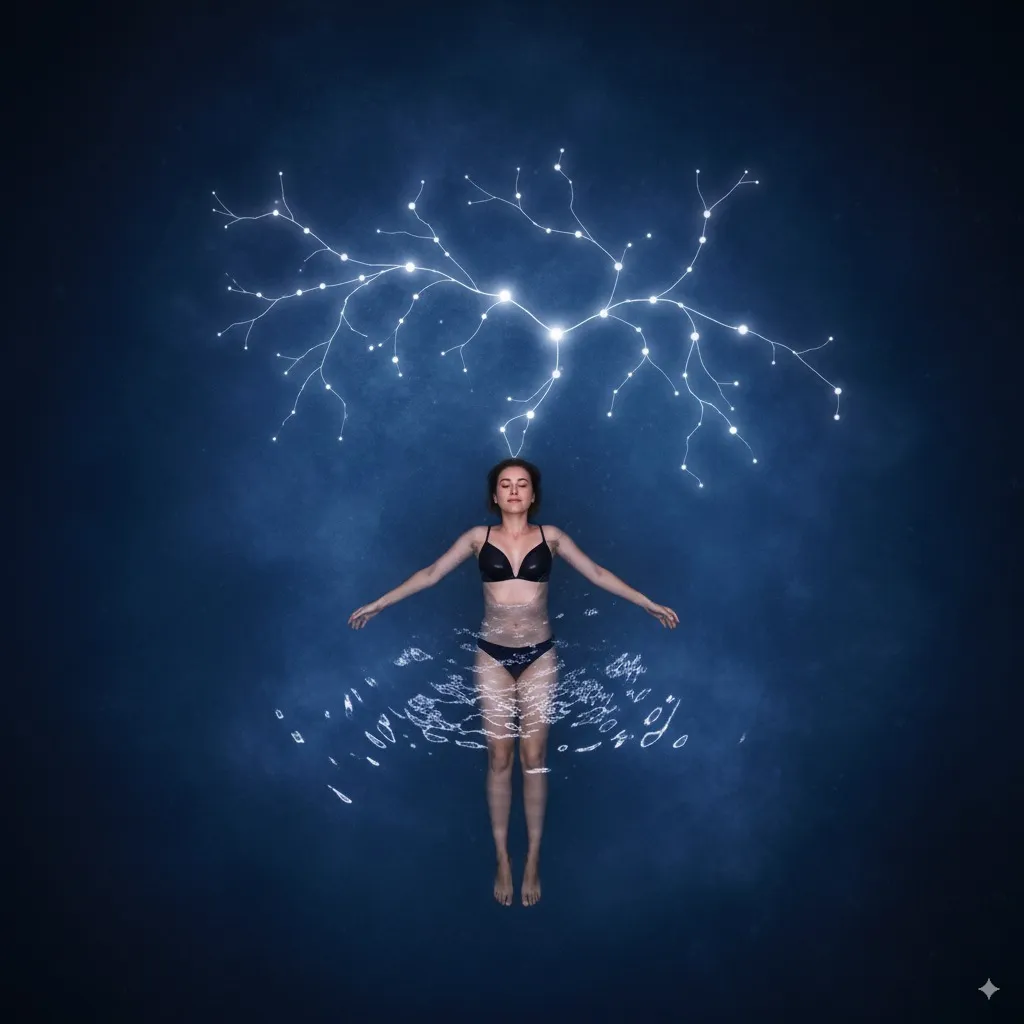
- The quiet, weightless float environment makes it easy to drift into the calm, dreamy state many people call “theta”.
- EEG research on floating is limited, so treat “theta state” as a useful description of deep rest rather than a precise promise.
Quick answer: Theta waves are slow brain rhythms, around 4–8 Hz, that show up on EEG when we are drowsy, drifting between waking and sleep, or deeply relaxed in meditation. Floating removes light, sound and gravity, so many people slip into that calm, dreamlike state. Small EEG studies of sensory isolation support this, but research is limited, so “theta state” is best seen as a description of deep rest.
What are brain waves?
Brain cells communicate with tiny electrical signals. When large groups of neurons fire together, they produce rhythms that can be measured from the scalp with an EEG (electroencephalography). Scientists group these rhythms by frequency. The exact boundaries vary between textbooks, but a common scheme is:
- Beta (about 13–30 Hz): alert, active thinking and problem-solving.
- Alpha (about 8–12 Hz): relaxed wakefulness, often with eyes closed.
- Theta (about 4–8 Hz): drowsiness, the twilight state between waking and sleep, deep relaxation and some meditative states.
- Delta (below 4 Hz): deep, dreamless sleep.
The brain always produces a mix of rhythms. Saying someone is “in theta” simply means slower rhythms are more prominent than usual.
Theta, meditation and floating
Classic EEG research by Kasamatsu and Hirai (1966) found that experienced Zen practitioners showed increasing alpha and then theta activity during long meditation sessions. Later studies, such as Lagopoulos and colleagues (2009), also reported more theta and alpha activity during relaxed, non-directive meditation.
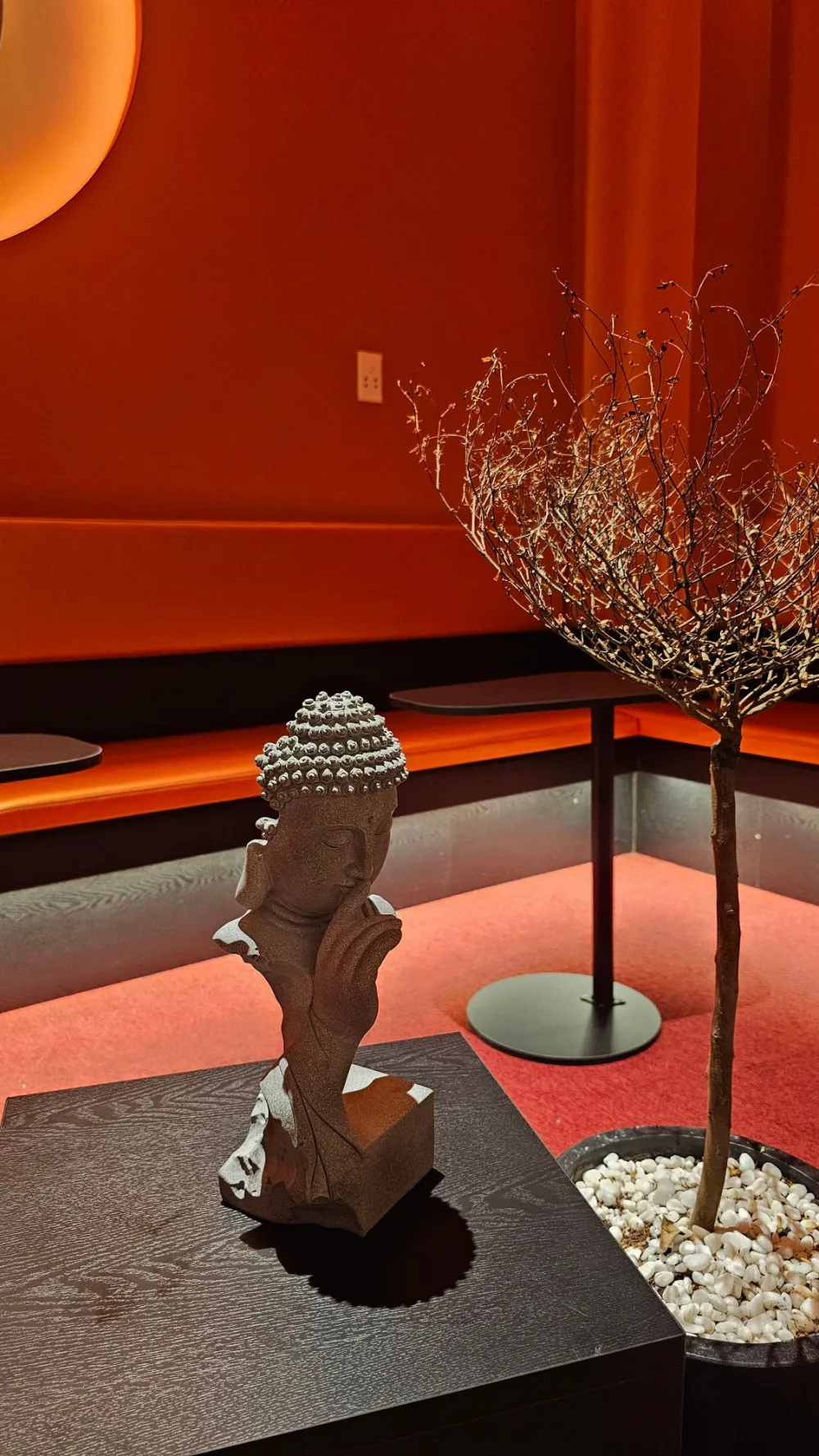
The float tank creates similar conditions without years of training: no light, no sound, no need to hold a posture. Early EEG studies of sensory isolation reported increases in slower alpha and theta rhythms, and many floaters describe a dreamy, timeless state, vivid images or memories, or the feeling of hovering at the edge of sleep. The studies are few and small, so we cannot say every float produces theta, but the experience is very common. Read more about why the float tank suits meditation.
Why the theta state feels valuable
- Deep relaxation: theta-rich states are associated with calm and reduced mental chatter.
- Creative insight: the dreamy twilight state is often where unusual ideas and associations appear. See floating for creativity, learning and memory.
- Memory and learning: theta rhythms play a role in how the brain processes and stores memories, which may relate to why some floaters recall early memories vividly.
- A doorway to lucid dreaming: staying aware while drifting toward sleep is a key skill for lucid dreaming.
How to drift into a deeper state while floating
- Choose a 90-minute session; the deepest part often comes after the first 30–45 minutes.
- Avoid caffeine for a few hours beforehand and float on a light stomach.
- Let your breathing slow naturally and stop trying to “achieve” anything.
- If you fall asleep, that is fine and safe; the salt water keeps you floating.
Many people reach this drifting state in the second half of a session; see the sensory deprivation tank experience, minute by minute.
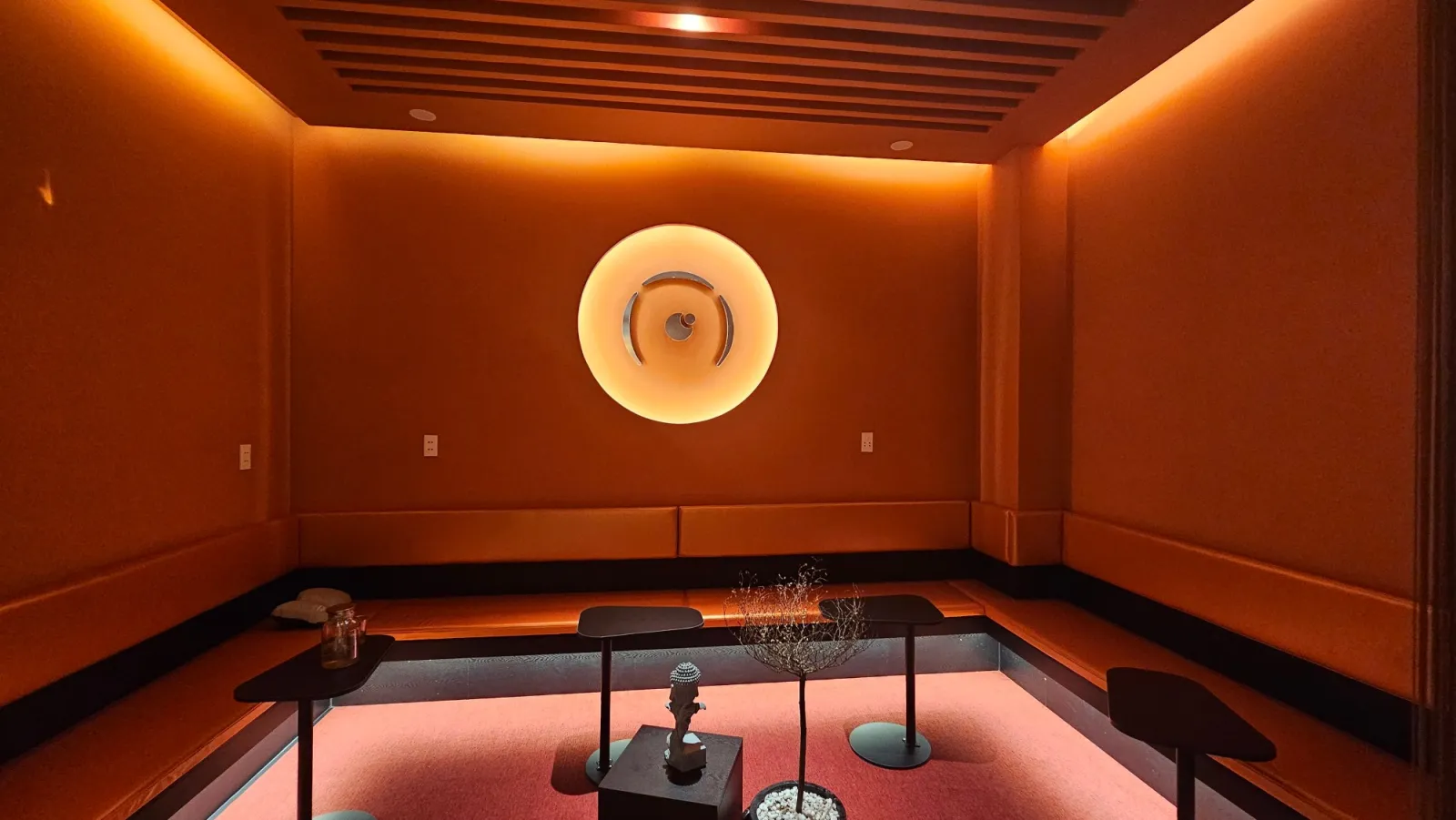
For the full picture of delta, theta, alpha, beta and gamma, read brainwaves explained.
Binaural beats and 432 Hz music are often linked to theta too; see what the research says about binaural beats and 432 Hz on Ōmni Space.
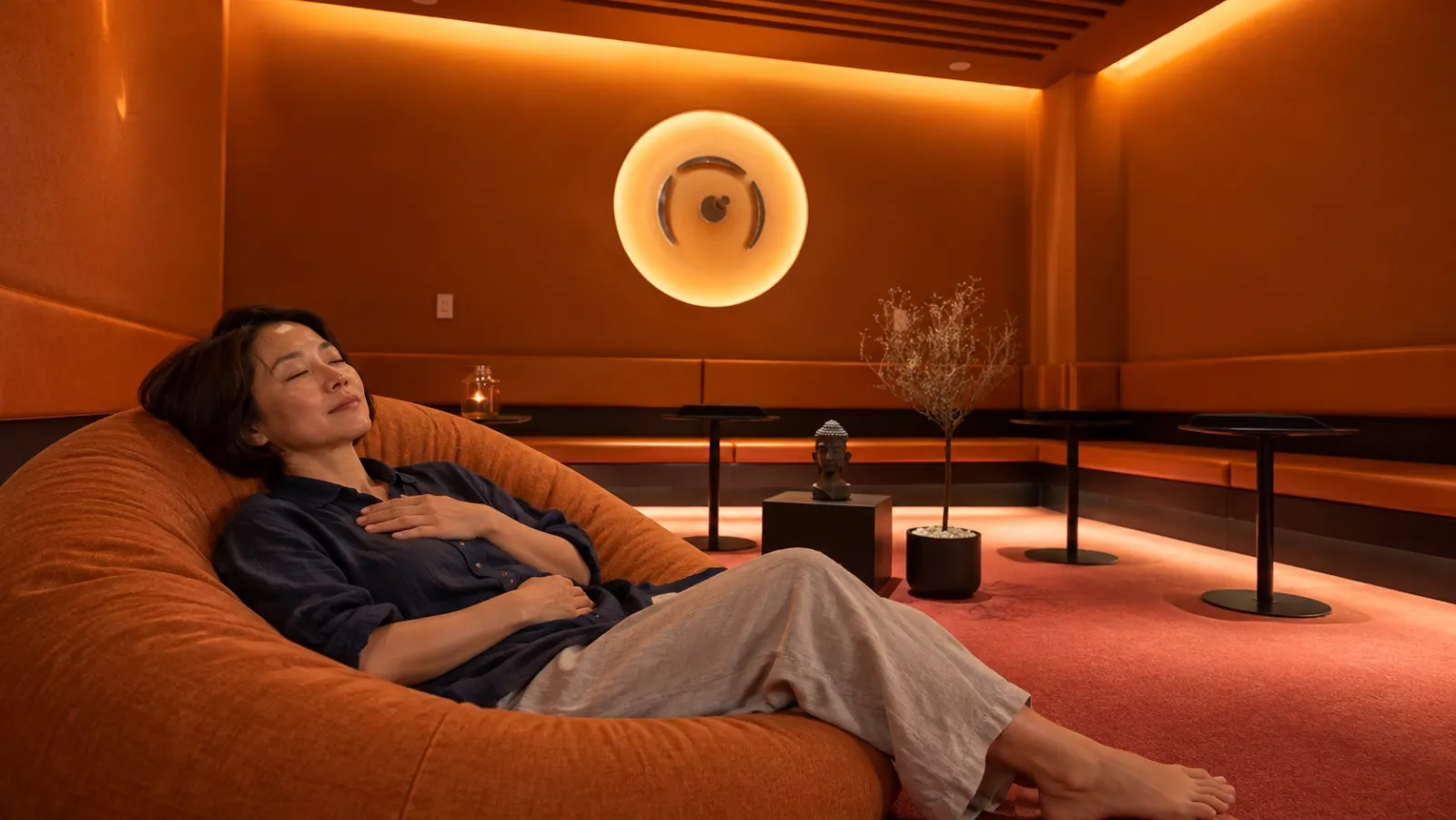
Want to feel that drowsy, theta-like state for yourself? See what a session includes and costs or take the 1-minute Float Plan to pick your first session.
Try it at Ōmni Space. Float Vietnam’s float rooms are at 16C Quoc Huong, Thao Dien, Ho Chi Minh City (Saigon), open daily 9:00–21:00. Book a float or read the float therapy FAQ.
Frequently asked questions
What are theta waves?
Theta waves are slow brain rhythms of roughly 4–8 Hz measured by EEG. They become more prominent when we are drowsy, drifting between waking and sleep, deeply relaxed or in some meditative states.
Does floating put you in a theta state?
Many people drift into a calm, dreamlike state while floating, and small EEG studies of sensory isolation report more slow alpha and theta activity. Research is limited, so results vary from person to person.
Why is the theta state beneficial?
Theta-rich states are linked with deep relaxation, and theta rhythms are involved in memory processing. Many floaters also find the dreamy state useful for creative insight.