Updated: 10 Oct 2026 · By Float Vietnam
Key takeaways
- For most healthy adults float therapy is low-risk: the dense Epsom salt water keeps you afloat, and it is a hostile environment for most microbes.
- Side effects are usually mild and brief: salt stinging small cuts or eyes, light-headedness when you stand up, or feeling slightly cold or warm.
- Never float drunk or on drugs, with open wounds or with uncontrolled epilepsy; ask your doctor first if you have heart or kidney disease, very low blood pressure or are pregnant.
Quick answer: Yes, for most healthy people float therapy is safe. The dense Epsom salt water keeps you afloat even if you fall asleep, and it is hostile to most microbes. People with open wounds, uncontrolled epilepsy or alcohol in their system should not float, and anyone with heart or kidney conditions or a pregnancy should ask a doctor first.
Is the water in a float tank hygienic?
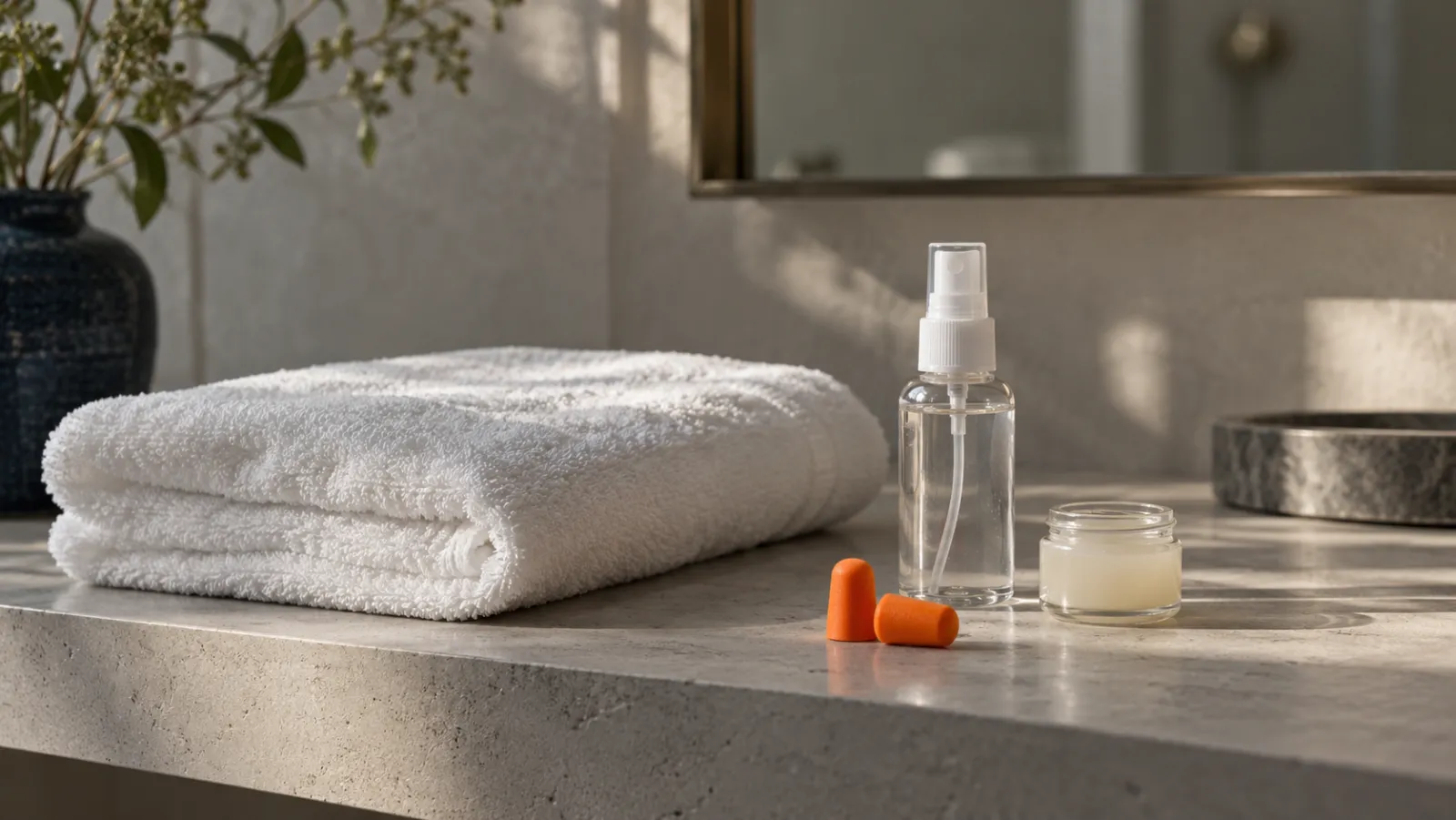
This is the most common question before a first float, and the short answer is yes, when a centre is run properly. The pool holds only about 25 cm of water, but roughly 500 kg of dissolved Epsom salt (magnesium sulfate) makes it far denser and saltier than seawater. Most bacteria and other microbes struggle to survive in such a concentrated solution. On top of that, standard practice across the industry is to filter the full volume of water between every session and to add a disinfection step, often UV light. Floaters are also asked to shower before getting in and again afterwards, so very little sweat, make-up or skin oil ends up in the water. Each float room at Ōmni Space has its own private shower, with towels and earplugs provided. To learn more about the salt itself, see our guide to the benefits of Epsom salt.
Can you drown or sink in a float tank?
In practice, you cannot sink in a float tank. Because the water is so dense with salt, your body floats like a cork: your face, chest and much of your body stay above the surface without any effort. Many people drift off to sleep during a float and simply stay on their back until they wake up. Lying face-up is a very stable position, so rolling onto your front is extremely unlikely, and if salt water reaches your eyes the sting wakes you at once. The water is only about 25 cm deep, so you can sit up at any time. The real risks come from situations where you might lose control of your body, such as a seizure, alcohol or strong sedatives. That is why those situations appear on the do-not-float list below. Read more about falling asleep in the float tank.
Does float therapy have side effects?
Most floaters have no problems at all, but a few mild, short-lived sensations are worth knowing about in advance. First, salt stings small cuts, shaving nicks and freshly waxed skin, which is why many centres advise not shaving right before a float and offer petroleum jelly to cover small scrapes. Second, salt water in the eyes stings a lot: do not rub them with salty fingers; use a dry towel or the fresh-water spray bottle usually kept within reach in float rooms, then rinse with clean water. Third, after deep relaxation some people feel light-headed when they stand up, so sit up slowly and step out carefully. Finally, the water is kept at about 34–35 °C, close to skin temperature, but some people feel slightly cool towards the end or a little warm; tell the staff so they can help.
- Shower and wash your hair before you float, and wear earplugs to keep salt water out of your ears.
- Keep your hands away from your face while floating.
- Drink some water afterwards and rest for a few minutes before you leave.
Who should not float?
Float therapy suits most healthy adults, but some situations call for waiting or checking with a doctor first. The general logic is simple. Do not float when you could lose control of your body in water (uncontrolled epilepsy, alcohol, recreational drugs), when salt could irritate healing skin (open wounds, new tattoos, surgical wounds), or when you could pass an infection to others (contagious skin conditions, diarrhoea). With long-term conditions such as heart disease, kidney disease or severely low blood pressure, floating is not automatically ruled out, but your doctor knows your health best and should make the call. Pregnant women often find floating very comfortable because the water supports the weight of the bump, yet they should still ask their doctor; many centres advise against a first float during the first trimester. See also floating for pregnancy and prenatal health.
| Situation | Recommendation | Why |
|---|---|---|
| Uncontrolled epilepsy | Do not float | A seizure in water can be dangerous |
| Open wounds, new tattoos, recent surgery | Wait until fully healed | Salt stings and can irritate healing skin |
| Contagious skin conditions or diarrhoea | Wait until fully recovered | Protects water hygiene for the next floater |
| Kidney disease or severely low blood pressure | Ask your doctor first | Needs individual medical assessment |
| Heart conditions | Ask your doctor first | Needs individual medical assessment |
| Pregnancy | Ask your doctor first | Many centres advise no first float in the first trimester |
| Alcohol or recreational drugs | Never float | Loss of control, more risk of dizziness and accidents |
| Very young children | Not suitable | Ask the centre about its age policy |
How do you prepare for a safe first float?
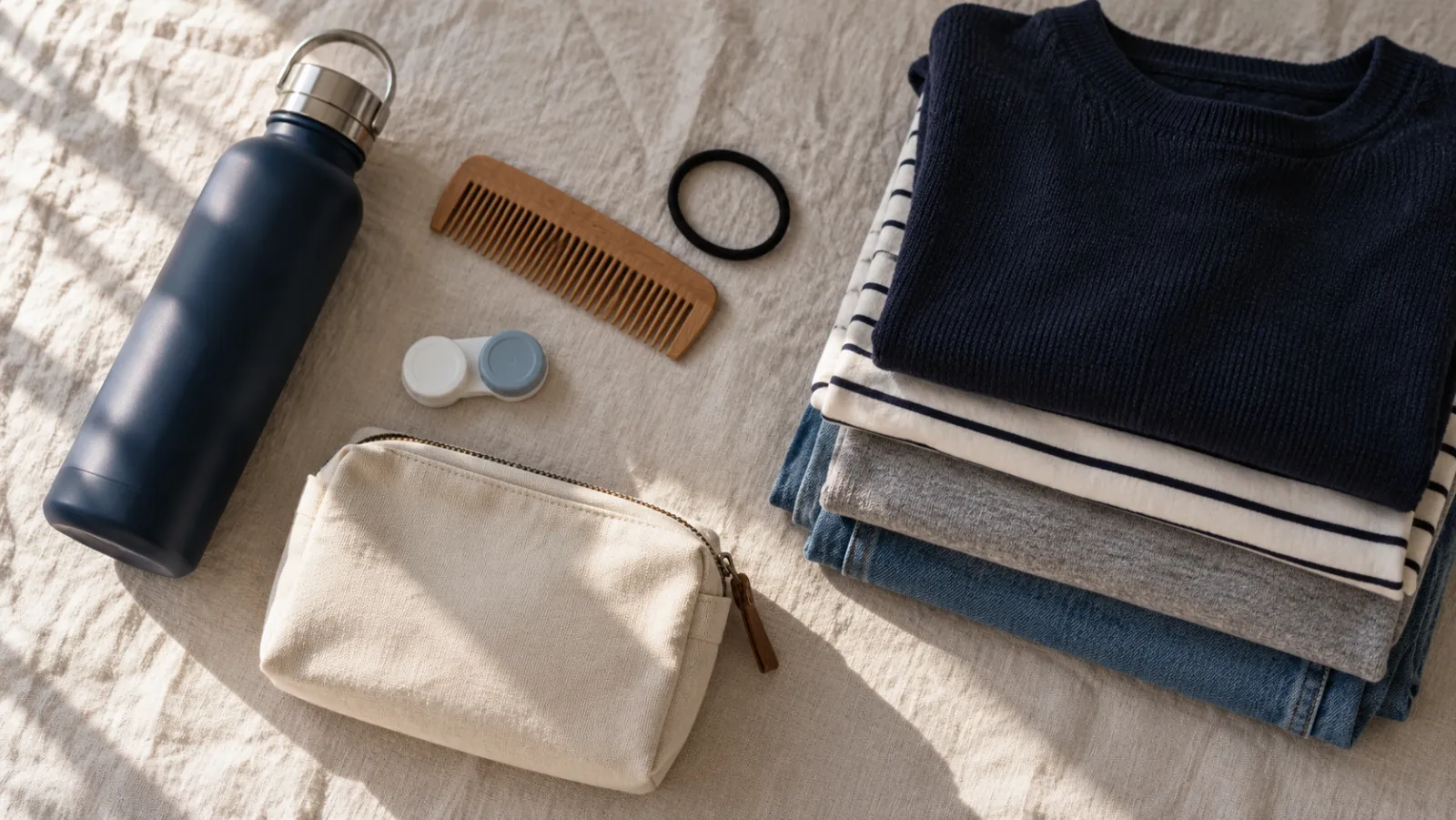
A little preparation makes your first float both safer and more comfortable. Eat a light meal one to two hours beforehand so you arrive neither hungry nor full, and go easy on coffee so it is easier to relax. Do not shave or wax just before your session, and mention any small cuts to the staff. Remove contact lenses and jewellery before you get in. If you have a medical condition or take medication regularly, ask your doctor before booking and let the staff know before your float. Float Vietnam recommends 90 minutes for beginners, because the first part of a session is usually spent getting used to the feeling of floating before you truly let go. Afterwards, stand up slowly, shower off the salt, drink water and spend a few minutes in the lounge. For a full overview, read what float therapy is and how it works, or see float therapy in Saigon for practical details.
Note: This page is for general information. Float therapy supports wellbeing but does not replace diagnosis or treatment by a doctor. If you have a medical condition, ask your doctor before floating.
Try it at Ōmni Space. Float Vietnam’s float rooms are at 16C Quoc Huong, Thao Dien, Ho Chi Minh City (Saigon), open daily 9:00–21:00. Book a float or read the float therapy FAQ.
Frequently asked questions
Can you get an infection from a float tank?
The risk is very low at a well-run centre: concentrated Epsom salt water is hostile to most bacteria, the water is filtered between sessions, and floaters shower before getting in. Do not float with open wounds or a contagious skin condition.
What happens if I fall asleep in the float tank?
You stay safely afloat because the water is so dense with salt and lying on your back is very stable. Falling asleep during a float is common and harmless.
Can I float while pregnant?
Many pregnant women find floating very comfortable, but ask your doctor first. Many centres advise against a first float during the first trimester.
Can I float with a new tattoo?
Not until it is fully healed. Salt can sting and irritate skin that is still recovering.
Is floating safe with low blood pressure?
Deep relaxation and warm water can make some people light-headed when they stand up. If you have severely low blood pressure or a heart condition, ask your doctor first and get up very slowly after your float.