Updated: 11 Oct 2026 · By Float Vietnam
Key takeaways
- Float Vietnam’s position: no drugs or alcohol before or during a float. Altered states in the tank come from rest and reduced stimulation, not from substances.
- Recreational psychedelic use carries real risks, from panic and dangerous behaviour to triggering serious mental illness, and it is illegal in Vietnam with severe penalties.
- Clinical psychedelic research exists only in tightly controlled medical trials abroad. Lasting change comes from steady practice such as meditation, not from chasing a peak experience.
Quick answer: No. Taking psychedelics is not the same as spiritual practice. A drug can change perception for a few hours, but it brings health, legal and dependence risks and does not build any lasting skill. Spiritual practice, such as meditation, is the slow, repeated training of attention and character. Float Vietnam asks that no one ever floats under the influence of any substance.
Why do people link psychedelics with spirituality?
Float Vietnam wrote the original Vietnamese version of this article after guests asked a recurring question: are the “mind-opening” experiences some people report from cannabis, LSD or mushrooms a spiritual path? People who have used these substances often say they saw reality from a new angle, felt a wave of love or gratitude, or saw old mistakes clearly. Those reports are common, and it is easy to see why some people describe them in spiritual language.
Our view is that a feeling of insight is not the same as transformation. A drug-induced experience usually fades within hours or days. If nothing in daily life changes, people tend to return to old habits, and some return to the substance to get the feeling back. That is how occasional use can drift into misuse. A message is only useful if you act on it; as the old saying goes, once you get the message, hang up the phone.
What are the risks of recreational psychedelic use?
Outside a medical setting, the risks are real and often underestimated. The US National Institute on Drug Abuse (NIDA), part of the National Institutes of Health, lists several for psilocybin (“magic mushrooms”), and similar concerns apply to other hallucinogens:
- Mental distress: intense fear, panic or paranoia, often called a “bad trip”.
- Mental illness: psychosis and suicidal thoughts are rare in supervised research but may be more likely with unsupervised use, especially in people with a personal or family history of psychiatric illness.
- Dangerous behaviour: impaired judgement and awareness can lead to accidents, for example in traffic or near water.
- Physical effects: raised heart rate and blood pressure, nausea, confusion and agitation, which can be dangerous for people with heart conditions.
- Unknown contents: street products and wild mushrooms can be mislabelled, contaminated or mistaken for poisonous species.
- Interactions and dependence: combining substances with alcohol or some psychiatric medicines is risky, and regular use of some drugs, such as cannabis, can lead to dependence.
If you or someone close to you is struggling with substance use, please talk to a doctor or a qualified mental health professional. Asking for help is a sign of strength, not shame.
Are psychedelics legal in Vietnam?
No. Recreational drugs, including psychedelics and cannabis, are illegal in Vietnam. The Criminal Code treats possessing, transporting and trading narcotics as serious crimes with long prison sentences, and drug use itself can also lead to penalties, including compulsory rehabilitation. Visitors are subject to the same laws as residents. This article gives general information, not legal advice; if you have a specific question, consult a qualified Vietnamese lawyer.

What about clinical psychedelic research?
You may have read headlines about psychedelic research for depression or PTSD. That research is real but narrow. It takes place in controlled clinical trials abroad, with screened participants, medical supervision, set protocols and psychological support before, during and after each session. In the United States, the Food and Drug Administration has granted “breakthrough therapy” status to some psilocybin formulations being studied for depression, which speeds up development but is not approval, and in 2026 it finalised guidance for researchers on how to design psychedelic clinical investigations. These are research programmes, not permission for personal use. Results from a medical trial do not transfer to taking a substance at a party, a retreat or at home, and nothing in this article is advice about using any drug.
How can you build lasting change without substances?
Our answer is unglamorous: peace of mind is earned through daily practice. A few starting points:
- Choose what goes into your mind. Cut back on doom-scrolling, violent content and anything that leaves you agitated.
- Notice small good things. Help someone, say thank you, call a family member.
- Do new things mindfully. A trip or a good meal counts, if you are fully present for it.
- Sit quietly every day. About 15 minutes of breath meditation is enough to begin. See what meditation is and how to start.
Long-term meditators can reach deep, absorbing states without any substance, because they have trained attention over years. The results are slower to arrive, but they are yours, they last, and they have no side effects.
Why does floating create altered states without drugs?
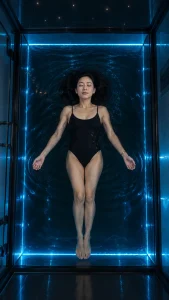
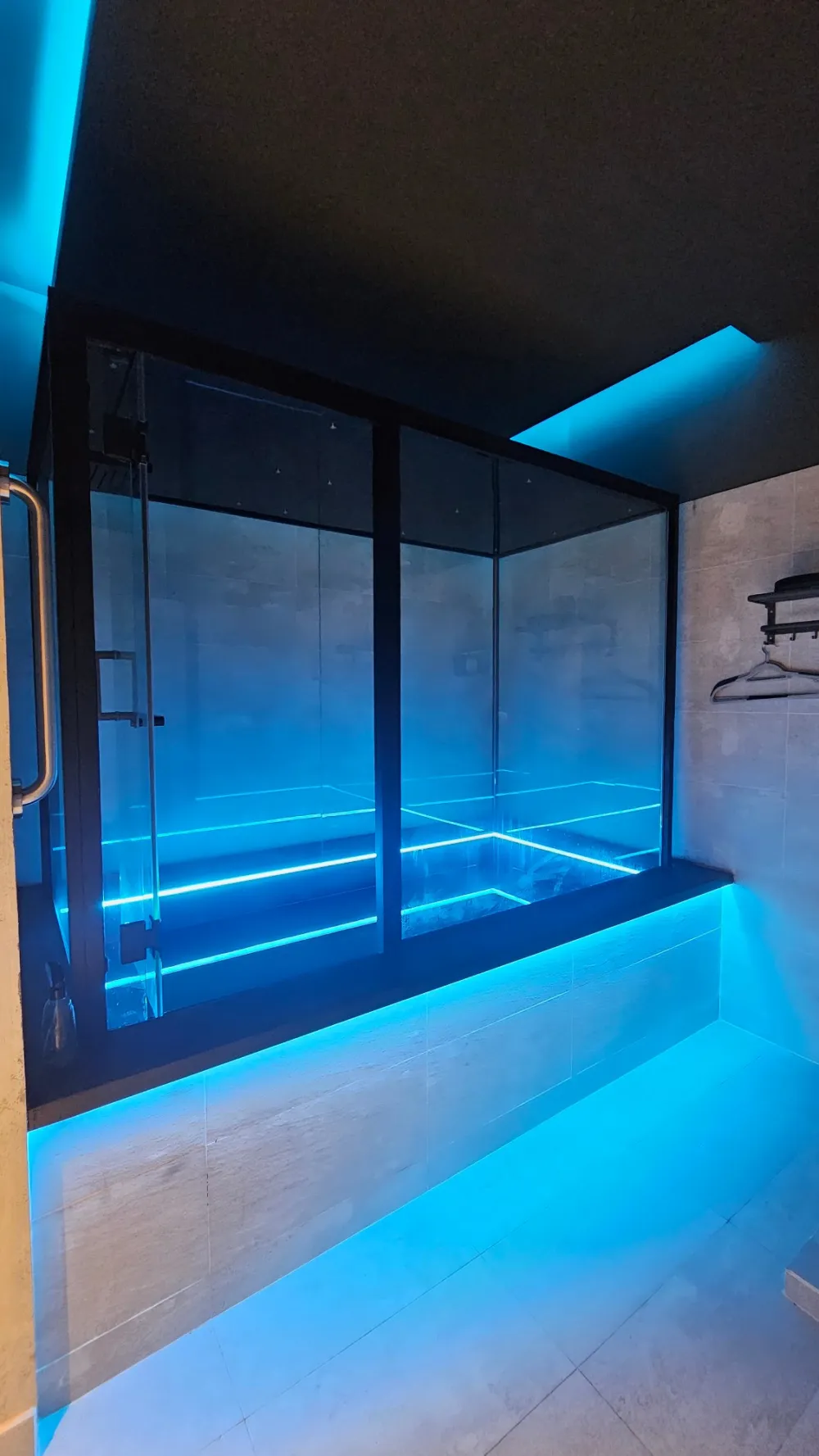
A float room removes most of what the brain usually has to process: light, sound, gravity and temperature differences. You lie in about 25 cm of skin-temperature water with around 500 kg of dissolved Epsom salt, so you float effortlessly. As outside input fades, many people drift into a calm, dreamlike state close to the edge of sleep, sometimes with vivid imagery or a changed sense of time. This is a natural effect of rest and reduced stimulation, and you remain aware and in control throughout. You can read more about it in floatation therapy and meditation and what sensory deprivation feels like.
What is Float Vietnam’s safety rule?
Never float under the influence of alcohol, recreational drugs or anything that impairs your judgement. Floating is very safe for most healthy adults, but it involves lying in water alone in the dark, and you need to be clear-headed to handle the experience, keep salt water out of your eyes and get out safely. Please avoid alcohol and recreational substances on the day of your float, and if you are not clear-headed when your booking comes round, reschedule rather than float. If you take prescribed medication, keep taking it as directed and ask your doctor if you have concerns. For the full picture, read is float therapy safe? and your first float: what to expect.
Note: This page is for general information. Float therapy supports wellbeing but does not replace diagnosis or treatment by a doctor. If you have a medical condition, ask your doctor before floating.
Try it at Ōmni Space. Float Vietnam’s float rooms are at 16C Quoc Huong, Thao Dien, Ho Chi Minh City (Saigon), open daily 9:00–21:00. Book a float or read the float therapy FAQ.
Frequently asked questions
Is taking psychedelics a form of spiritual practice?
No. Psychedelics can change perception for a few hours but carry health, legal and dependence risks. Spiritual practice is the steady training of attention and character, which does not depend on any substance.
Can I float after drinking alcohol or using drugs?
No. Float Vietnam asks guests never to float under the influence of alcohol or recreational drugs, because impaired judgement makes being alone in water unsafe. Please float sober and clear-headed.
Are psychedelics legal in Vietnam?
No. Recreational drugs, including psychedelics, are illegal in Vietnam, and the law sets severe penalties, including long prison sentences, for possessing, transporting or trading narcotics.
Can floating give a natural altered state?
Many floaters report a calm, dreamlike state with vivid imagery or a changed sense of time. It comes from rest and reduced sensory input, and you stay aware and in control the whole time.