Updated: 10 Oct 2026 · By Float Vietnam
Key takeaways
- Float Vietnam has used three generations of float tanks: a self-built Samadhi-style tank at Float Hanoi (2017), an enclosed cabin at Float Saigon, and today glass float rooms at Ōmni Space.
- Each change grew out of guest experience, especially the feeling of being shut in.
- What never changed: dense Epsom salt water, darkness, silence and strict water hygiene.
Quick answer: Float Vietnam started in 2017 with self-built Samadhi-style tanks at Float Hanoi, because there was no float tank in Vietnam at the time. Float Saigon then used an enclosed float cabin modelled on the Ocean Float Room design. Today, at Ōmni Space, we use open pools in glass-enclosed rooms to reduce claustrophobia.
How did Float Vietnam bring float therapy to Vietnam?
In 2017, when we set out to bring float therapy to Vietnam, we faced a very practical problem: there was no float tank anywhere in the country. So founder Duc Nguyen Trung and the team decided to build their own, based on the Samadhi-style design. This is the oldest line of tanks in the industry: Glenn Perry built the first affordable Samadhi tanks in the 1970s after attending a workshop by John C. Lilly, who created the first isolation tank in 1954. A Samadhi tank is an enclosed rectangular box of about 1.22 × 2.44 m with a hinged door. That is where Float Vietnam history begins: Float Hanoi grew from there and, as far as we know, was Vietnam’s first float centre. Float Hanoi is temporarily closed today. For the wider background, see from sensory deprivation to REST: the many names of floatation therapy.
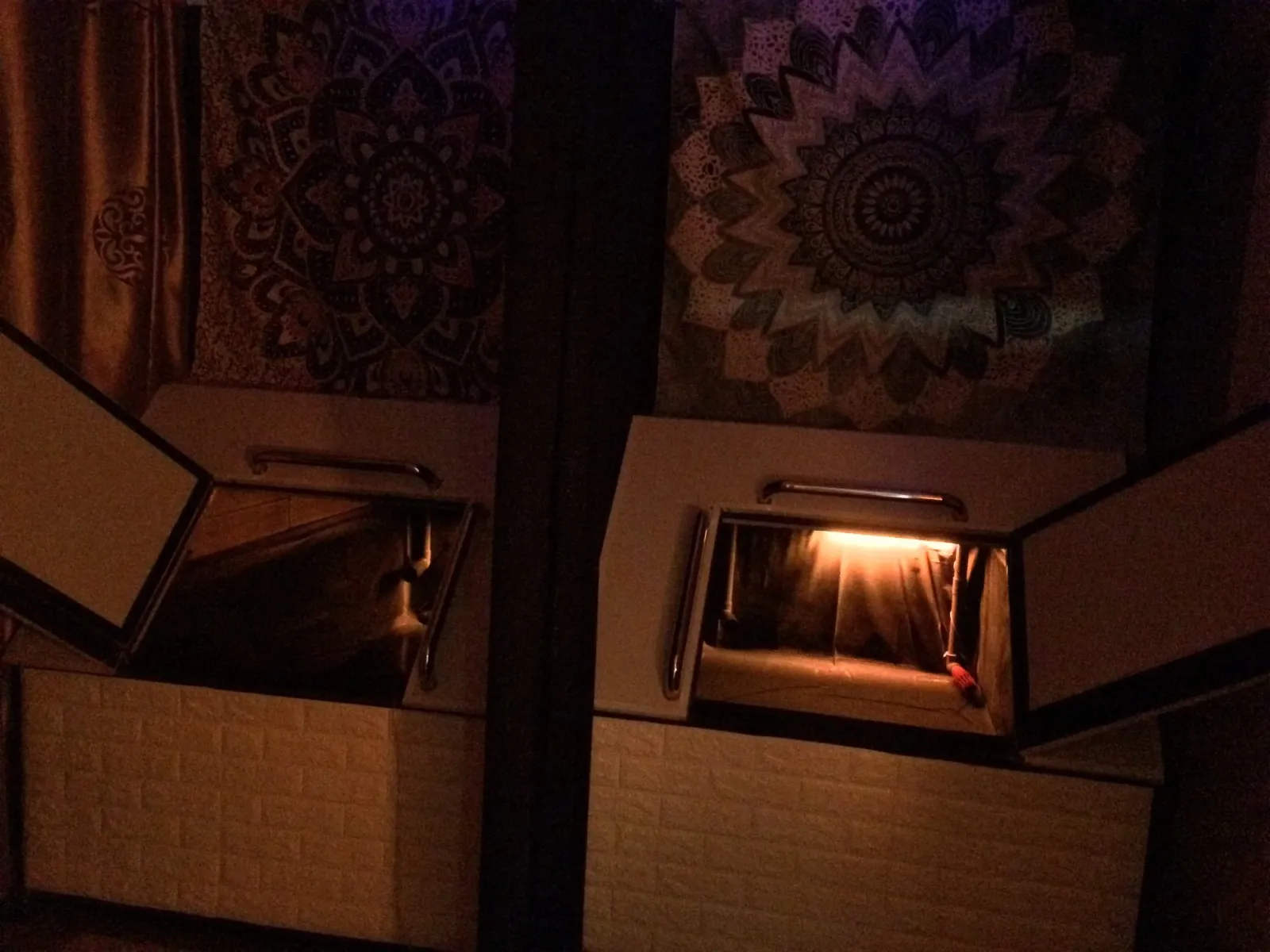
Generation 1, the Samadhi-style tank at Float Hanoi: what worked and what was hard?
The biggest strength of a Samadhi-style tank is its shell. With the lid closed, the tank shuts out light and sound by itself, so you do not need to build a fully soundproofed room around it. The simple design also meant we could build and repair the tanks ourselves, and we learned a great deal about salt water, temperature and filtration in those early years. The hard part was space. Box tanks have a low ceiling; one research tank in Sweden had only about 95 cm of internal height. For some guests, the closed lid and low ceiling felt confining, especially on a first float. This was not only our experience: researchers at the Laureate Institute for Brain Research (LIBR) in the US also note that many people found early tanks too confining and claustrophobic. Our first lesson: good water and darkness are not enough; guests also need to feel safe.
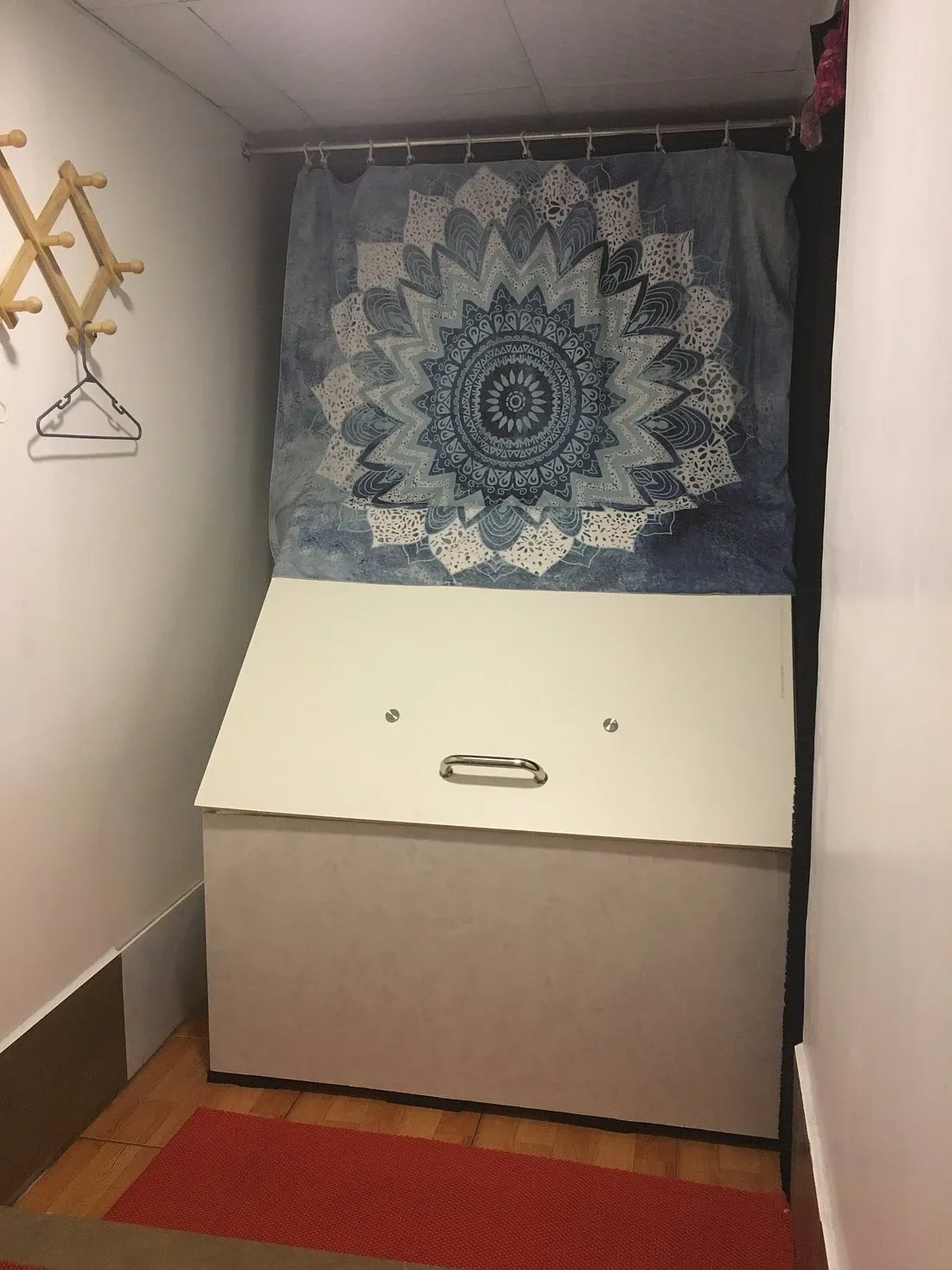
Generation 2, the float cabin at Float Saigon: what improved?
When we opened Float Saigon, we built our own again, but this time an enclosed float cabin modelled on the Ocean Float Room design. This is a walk-in cabin that you enter through a door, rather than crouching under a lid. In the original design the internal height is about 200 cm, enough to stand up straight. For guests, the clearest difference was standing room: you walk in, stand, sit down and lie back naturally, and getting in and out is easier. The extra space helped many people feel calmer before lying down in the water. Still, a cabin is an enclosure. For some guests who are sensitive to closed spaces, being surrounded by cabin walls in the dark remained a barrier. Our second lesson: more space helps, but what guests really need is the sense that they can always open the door and step out.
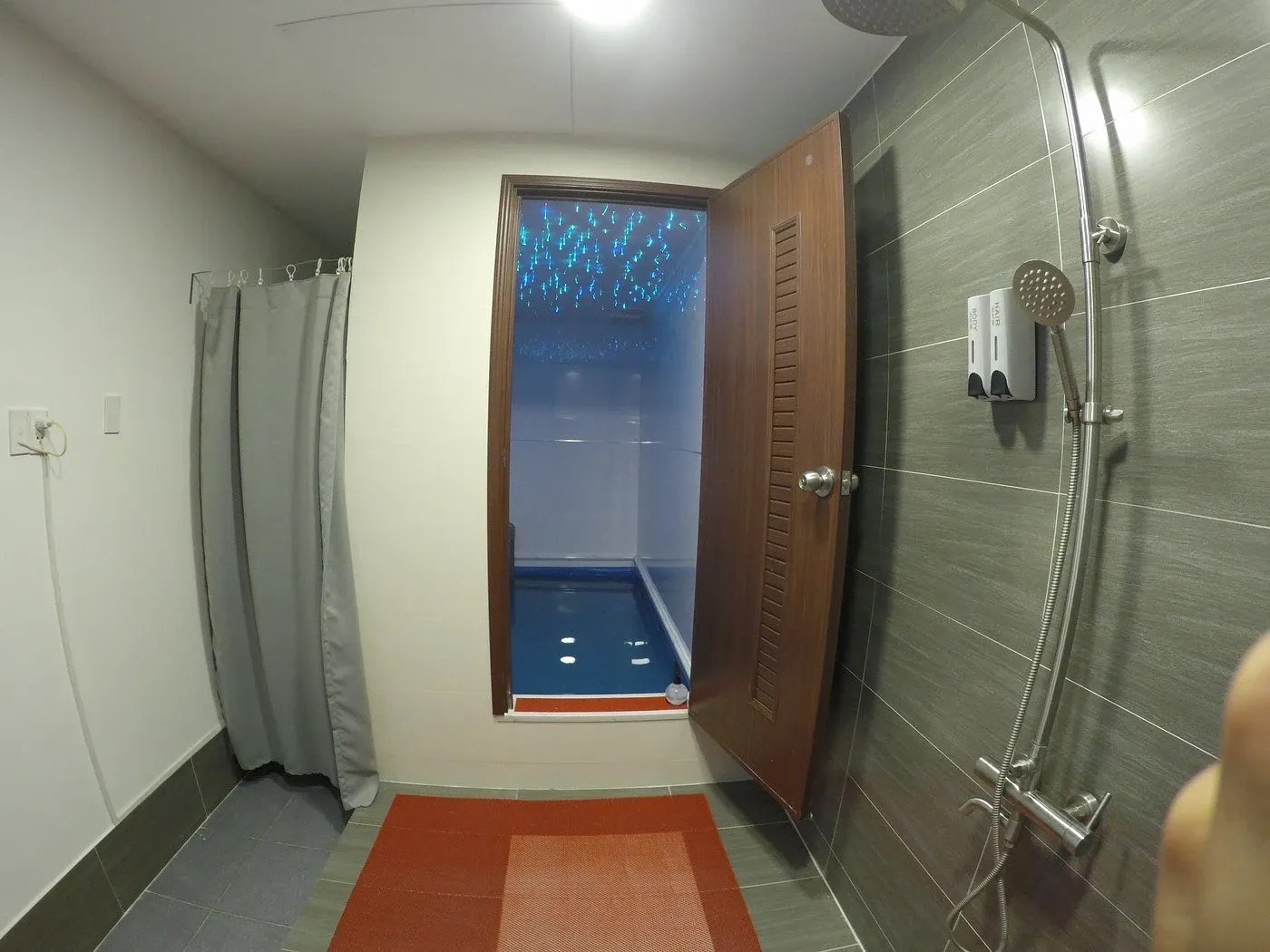
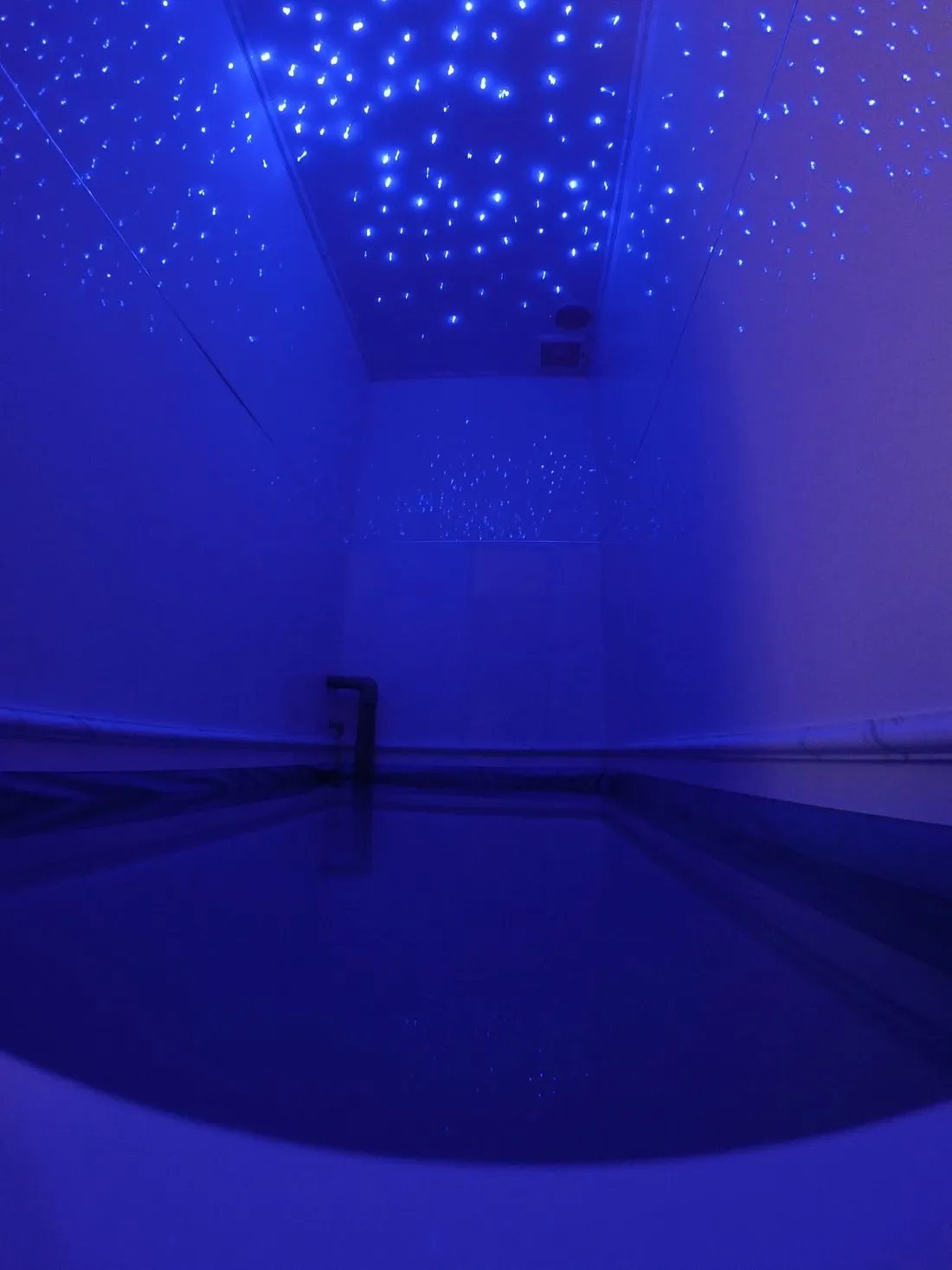
Generation 3, glass float rooms at Ōmni Space: why open pools?
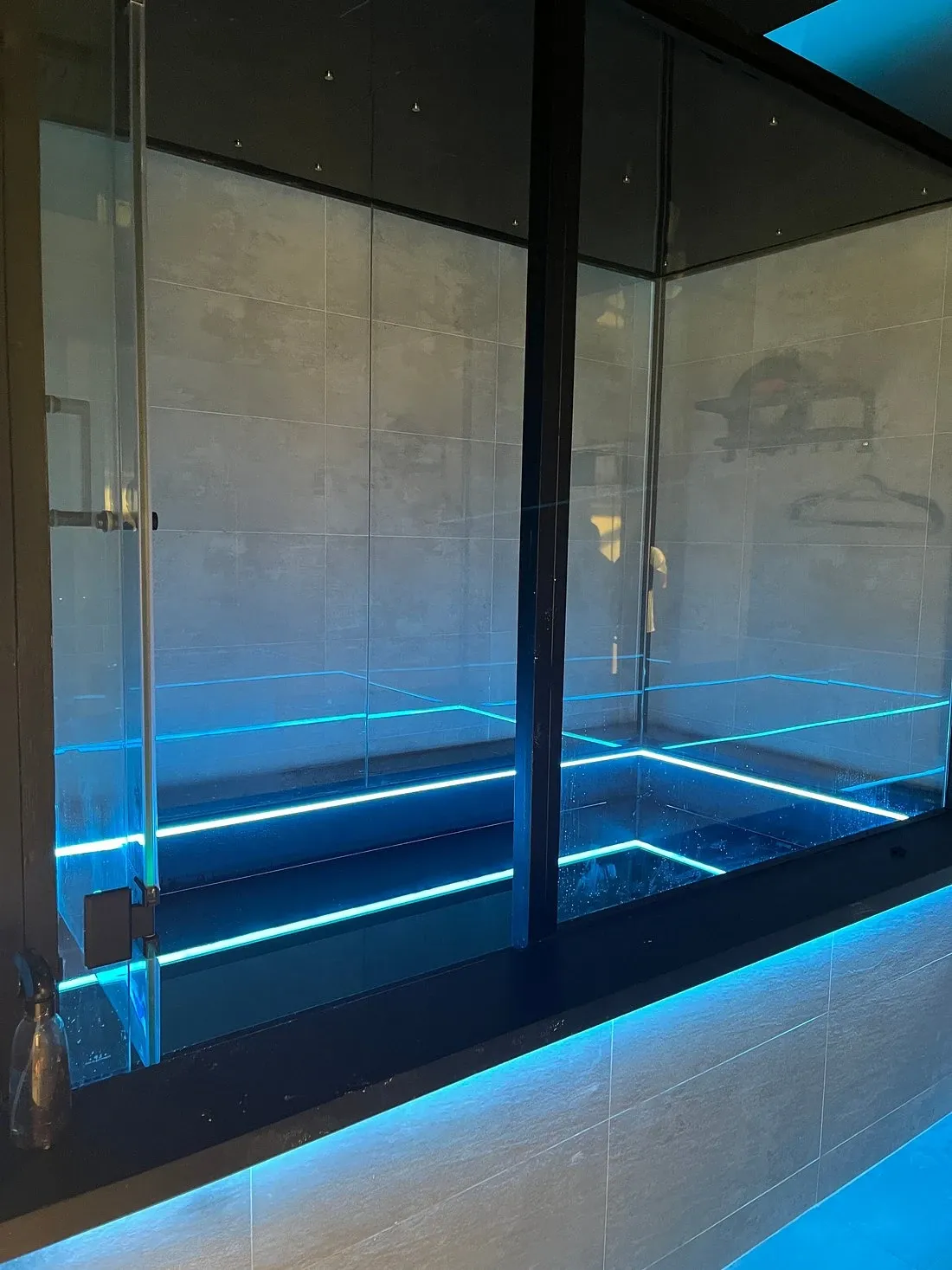
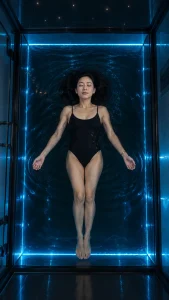
At Ōmni Space in Thao Dien, we chose open float pools inside private rooms with glass doors, with one clear aim: to reduce claustrophobia. There is no lid and no cabin wall close to your body; above you is the room ceiling. The choice follows the research, too. The float clinic at LIBR, where Feinstein and colleagues (2018) ran their anxiety study, used an open circular pool designed without the usual enclosure to reduce claustrophobia. The FTA standard does not require a lid either; it asks for dense salt water, skin-temperature warmth and a light- and sound-reduced environment. With an open pool, the room has to do the shell’s job. That is why our soundproof glass doors block light completely when closed, the rooms have a ventilation system, and guests adjust the lights themselves. Our own sound-meter reading inside a closed room shows close to 0 dB.
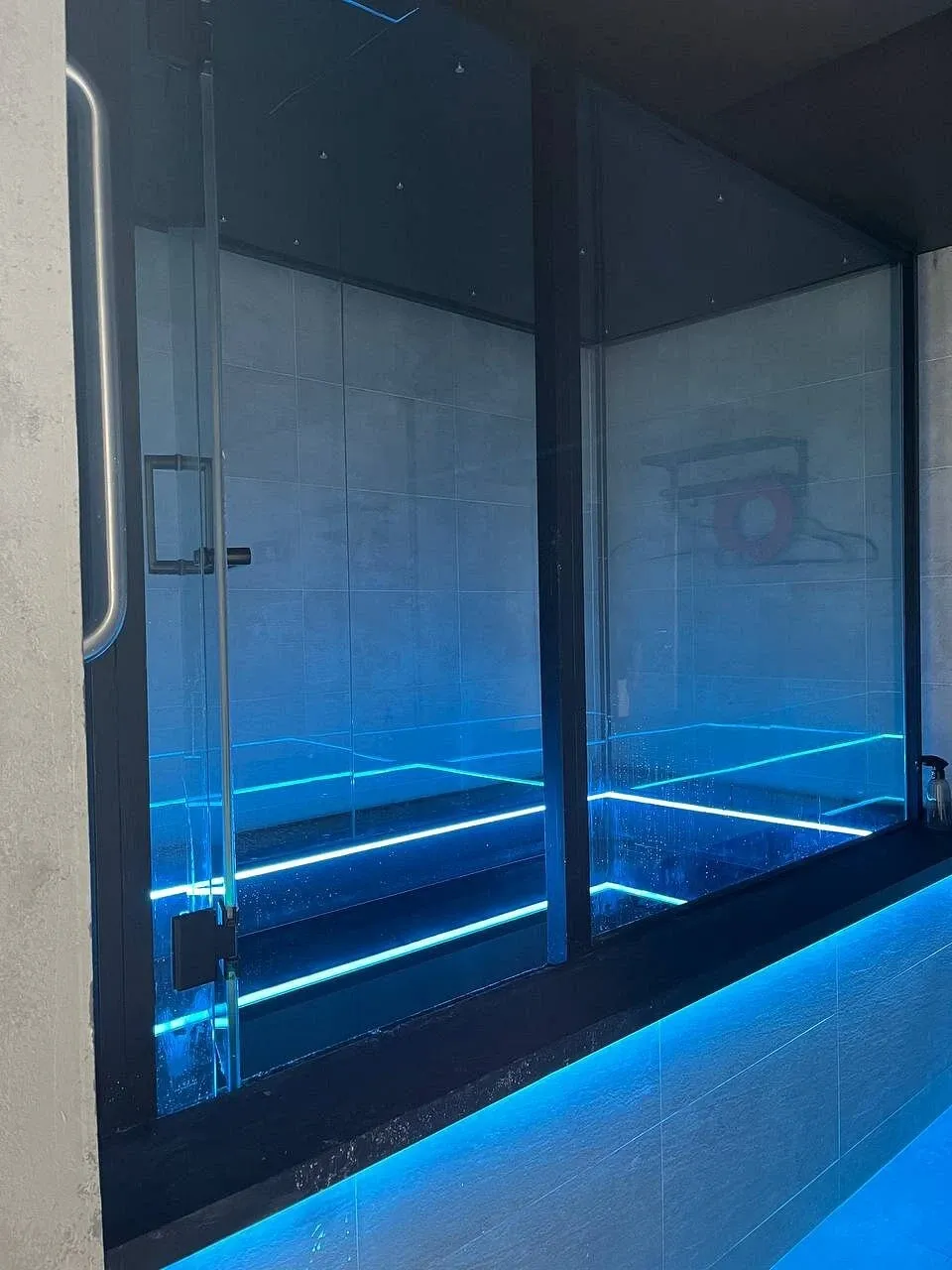
| Spec | Float rooms at Ōmni Space |
|---|---|
| Rooms | Single room (rectangular pool) and couple room (square pool) |
| Single room pool size | 1.2 m × 2.4 m |
| Water depth | About 25 cm (about 720 litres in the single room pool) |
| Epsom salt | About 500 kg per pool; specific gravity measured regularly |
| Water temperature | About 34–35 °C |
| Doors and light | Soundproof glass doors that block light completely when closed; guests control the lights |
| Air | Ventilation system |
| Comfort | Halo neck pillow, earplugs, private shower |
| Filtration | 16.8 m³/h pump runs 15 minutes after every float (about 5.6 turnovers; FTA minimum is 3), plus 10 minutes every 2 hours, 24/7 |
| Sanitation | UV, hydrogen peroxide (H₂O₂), ozone and spa enzyme |
What stayed the same across all three generations?
The shape of the tank changed three times, but the core of float therapy did not. First, Epsom salt water dense enough to float in without effort. Second, darkness: whether it came from a tank lid, a cabin door or a glass door, the aim was always to let your eyes rest completely. Third, silence, so the mind has a chance to settle. Fourth, water hygiene: filtration after every guest and continuous sanitation. What nearly ten years have taught us is that there is no single “right” kind of tank; no published study has yet compared closed tanks, cabins and open pools head to head. What matters is that a tank gets the core elements right and that guests feel safe enough to let go. Read more about the types of float tanks, float pod vs float room, or about Float Vietnam.
Try it at Ōmni Space. Float Vietnam’s float rooms are at 16C Quoc Huong, Thao Dien, Ho Chi Minh City (Saigon), open daily 9:00–21:00. Book a float or read the float therapy FAQ.
Frequently asked questions
When did Float Vietnam start?
Float Vietnam opened Float Hanoi in 2017 with self-built Samadhi-style tanks, because there was no float tank in Vietnam at the time. Float Hanoi is temporarily closed.
Why did Float Vietnam move to glass float rooms?
To reduce claustrophobia. An open pool in a glass-enclosed room has no lid or walls close to your body, yet stays dark and quiet once the door is closed.
Is an open float room as dark and quiet as a closed tank?
It can be, if the room is built for it. At Ōmni Space, soundproof glass doors block light completely when closed and guests control the lights.
Where can I float with Float Vietnam today?
At Ōmni Space, 16C Quoc Huong, Thao Dien, Thu Duc City, Ho Chi Minh City, open daily 9:00–21:00, with single and couple rooms.