Updated: 12 October 2026 · Compiled by Float Vietnam
Key takeaways
- Biohacking means testing small, measurable changes to sleep better, feel stronger and handle stress. The word covers three strands: DIY biology, grinders (body implants) and lifestyle biohacking, the most popular today.
- Famous names such as Dave Asprey (Bulletproof coffee, MCT oil), David Sinclair (NMN, NAD+) and Bryan Johnson (“Don’t Die”) turned biohacking into a big business, with plenty of controversy.
- The strongest evidence still belongs to the “boring” basics: enough sleep, strength training with enough protein, creatine. NMN, MCT oil, cold plunges and red light are early. Float therapy is a “subtraction” biohack: less input rather than more pills.
Quick answer: Biohacking is the practice of deliberately testing and measuring changes to lifestyle, diet or tools to improve sleep, energy, stress and long-term health. It grew out of the “garage biology” scene of the 2000s and the Quantified Self movement (2007), then exploded into a longevity industry led by names such as Dave Asprey, David Sinclair and Bryan Johnson. On current research, sleep, strength training and creatine have strong evidence; NMN, NAD+, MCT oil and cold plunges are still early.
What is biohacking? Three strands under one name
It sounds futuristic, but “biohacking” is really an umbrella for three quite different movements:
- DIY biology: people doing real molecular biology outside universities, in community labs.
- Grinders and body hacking: people implanting chips or magnets, or even injecting home-made gene constructs.
- Lifestyle biohacking: tracking sleep, diet, supplements, heat, cold and devices. This is what most people, including the Vietnamese media, mean today. In the 2020s it merged with the longevity movement.
The useful part of biohacking is simple: choose one thing to improve, change one habit or add one tool, and measure how your body responds. The worrying part is when it becomes a race to buy pills, drips and gadgets nobody has tested.

A short history: from garage labs to the longevity boom
| Year | Milestone |
|---|---|
| 1988 | The Washington Post writes about “playing God in your basement”, one of the earliest references to the biohacking spirit |
| 1998 | Professor Kevin Warwick (UK) has a silicon chip implanted, starting the grinder strand |
| 2007 | Gary Wolf and Kevin Kelly, former Wired editors, coin “Quantified Self”: knowing yourself through data |
| 2008 | DIYbio is founded in Cambridge, Massachusetts; in 2010 Genspace opens in New York as the first community biology lab |
| 2009 | Dave Asprey posts his buttered-coffee recipe, later “Bulletproof Coffee” |
| 2010 | Tim Ferriss publishes The 4-Hour Body, taking self-experimentation to millions of readers |
| 2017 | Josiah Zayner films himself injecting a CRISPR construct; Serge Faguet writes “I’m 32 and spent $200k on biohacking” |
| 2019 | David Sinclair publishes Lifespan; the US FDA warns against “young blood” plasma infusions |
| 2021 | Bryan Johnson starts Project Blueprint |
| 2025 | Netflix releases the documentary Don’t Die (1 January); the FDA reverses course and allows NMN to be sold as a supplement (29 September) |
A common myth: Dave Asprey did not coin “biohacking”. The word predates him, and “father of biohacking” is largely a label used by him and the media.
The famous faces of biohacking
Dave Asprey: Bulletproof coffee and MCT oil
An American tech entrepreneur known for Bulletproof coffee (coffee blended with butter or ghee and MCT oil, inspired by Tibetan yak-butter tea), Upgrade Labs and books such as The Bulletproof Diet. He says he plans to live to 180 and has said he spent over US$2 million hacking his biology. His central marketing claim, that most coffee is contaminated with mould toxins that make you sluggish, has no supporting evidence; the 2025 Bulletproof rebrand dropped it. In 2020 the US Federal Trade Commission sent him a warning letter over unsupported COVID-19 claims.
Tim Ferriss, Ben Greenfield and Andrew Huberman: biohacking by book and podcast
Tim Ferriss popularised “n = 1” self-experimentation. Ben Greenfield, a former triathlete, runs a podcast and co-founded a supplement company. Andrew Huberman, a Stanford neuroscientist, hosts the hugely popular Huberman Lab podcast on morning light, sleep and cold water; he has also been criticised for sometimes going beyond the evidence. All three brought millions of people to biohacking, but personal experience does not replace controlled trials.
Peter Attia: the mainstream end of longevity
A physician, author of Outlive (2023) and host of The Drive podcast. His focus is on things with good evidence: aerobic fitness, strength, sleep and metabolic health, rather than miracle pills.
David Sinclair: NMN, NAD+ and resveratrol
A Harvard genetics professor, author of Lifespan (2019) and a driving force behind the NMN and NAD+ trend. His story is also a lesson in the gap between lab and life. In 2003 his team reported that resveratrol, found in grape skins, activated sirtuin genes; later work, including by Pfizer scientists in 2010, traced much of that effect to the test method. His company Sirtris was bought by GSK for US$720 million in 2008, and GSK closed the programme in 2013 with no approved drug. In March 2024 he stepped down as president of the Academy for Health and Lifespan Research after a row over a press release calling a dog supplement “age-reversing”; he remains a Harvard professor.
Bryan Johnson: Project Blueprint and “Don’t Die”
A tech millionaire who sold Braintree to PayPal. Since 2021 he has followed Project Blueprint: a strict vegan diet, more than 100 supplements a day, extensive testing and experimental therapies, reported to cost around US$2 million a year. In 2023 he exchanged plasma with his son and father, then stopped after seeing no benefit; in 2024 he dropped rapamycin because of side effects. His “Don’t Die” movement got its own Netflix documentary in 2025. His “biological age reversal” figures are self-published and not independently verified.
Wim Hof: the Iceman and his breathing
The Wim Hof Method combines cyclic fast breathing, breath holds and cold exposure. A 2014 trial (Kox et al., PNAS) found that trained volunteers could raise their adrenaline at will and had fewer flu-like symptoms after an injected bacterial toxin: a real but narrow finding. The biggest danger is practising this breathing in or near water, where fainting can lead to drowning.
The evidence ladder: what is backed by science, and what is not
The table ranks popular hacks by the evidence available in humans. “Early” means signals from small or animal studies, not enough to draw conclusions.
| Practice | Evidence | Notes |
|---|---|---|
| Enough, regular sleep | Strong | Long-term short sleep is linked with higher mortality (Cappuccio 2010) |
| Strength training + enough protein | Strong | Protein modestly boosts muscle and strength gains with resistance training (Morton 2018) |
| Creatine (sport) | Strong | The most studied sports supplement, safe in healthy people (Kreider 2017) |
| Sauna | Promising | Finnish observational data, not proof of cause (Laukkanen 2015) |
| Float therapy | Strong | Randomised trials point the same way on stress and anxiety (Kjellgren 2014, Feinstein 2018); 85–89% of participants completed the programme (Garland 2024); survey of regular floaters: 92% feel relaxed, 77% less stressed (Hilpert 2025) |
| Intermittent fasting, keto | Promising for metabolism | No human longevity data; 16:8 eating gave no extra weight loss (Lowe 2020) |
| Cold plunge | Early, mixed | Right after strength training it can blunt muscle gains (Roberts 2015) |
| NMN, NAD+ | Early | Raises blood NAD+, but no study shows slower ageing |
| MCT oil | Early, small effect | About 0.5 kg extra weight loss when replacing other fats (Mumme 2015) |
| Red light, CGMs in people without diabetes | Early | Small skin data for red light; most other claims lack evidence |
| Resveratrol, BPC-157 peptide, “young blood” plasma | No good evidence | Disputed mechanism or no good human data; FDA warnings |
| SARMs, non-medical steroids | Harmful | FDA warns of liver injury, heart attack and stroke |
A closer look at the most talked-about hacks
NMN and NAD+: higher blood levels are not the same as getting younger
NAD+ is a molecule involved in making energy inside cells; in animals it falls with age, and NMN is a building block the body uses to make it. In humans, trials are small and short. A 2021 study in Science of 25 prediabetic women found better muscle insulin sensitivity; a 2024 meta-analysis of 342 people found no effect on blood sugar or blood fats. NMN reliably raises NAD+ in the blood, but no study shows it slows ageing or extends life. The FDA’s 2025 decision to allow NMN as a supplement is a legal matter: being allowed on sale is not the same as being proven to work.
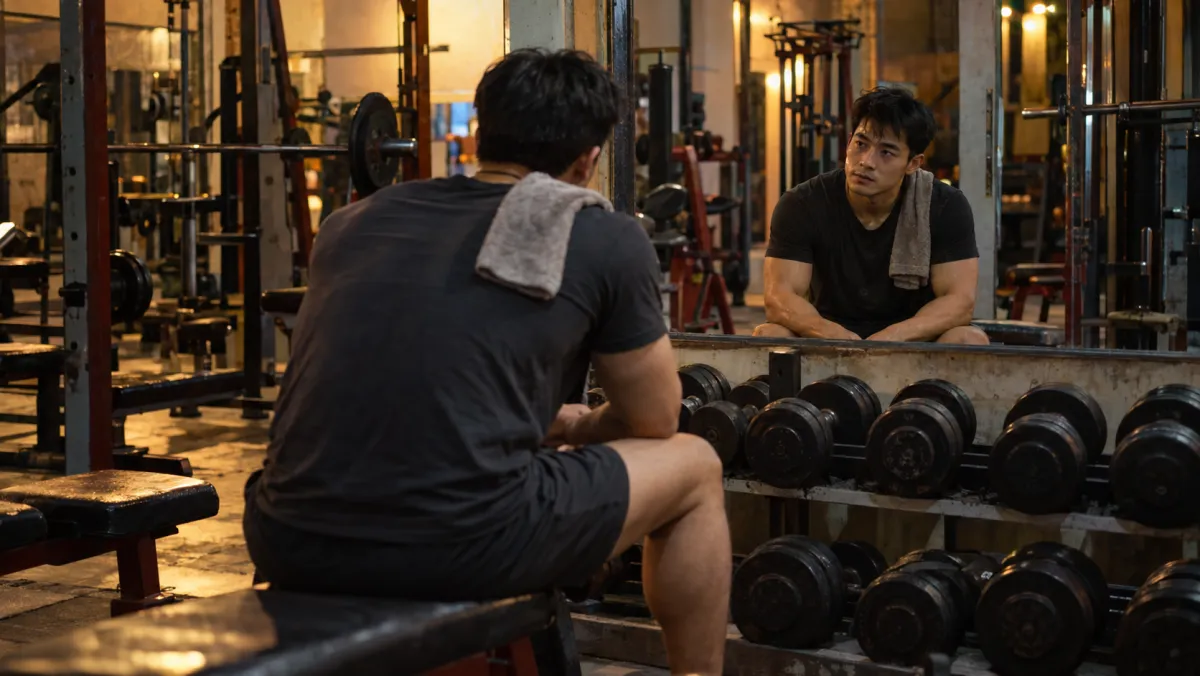
Whey isolate, creatine and gym-bro culture
The gym is where biohacking meets “bro-science”, gym folklore passed on without trials. The solid part is clear: protein helps muscle growth with resistance training, the benefit levels off once total protein is adequate, and protein from food counts just as much as powder. Whey isolate and concentrate have the same amino acids; isolate has more protein per scoop and less lactose (useful if dairy upsets you), but there is no evidence it builds more muscle at the same protein intake. Creatine is the most studied sports supplement. The dangerous part is SARMs and steroids used without a doctor: they are drugs, not supplements, and the FDA has warned of liver injury, heart attack and stroke.
MCT oil and Bulletproof coffee
MCT oil is made of medium-chain fats that the body absorbs and burns faster than ordinary oils. A 2015 meta-analysis found that swapping other fats for MCT gave a small extra weight loss, about half a kilo over several weeks; stomach upset is common at first. Buttered coffee may keep you full, but that is because it is packed with fat and calories, not magic.
Heat and cold
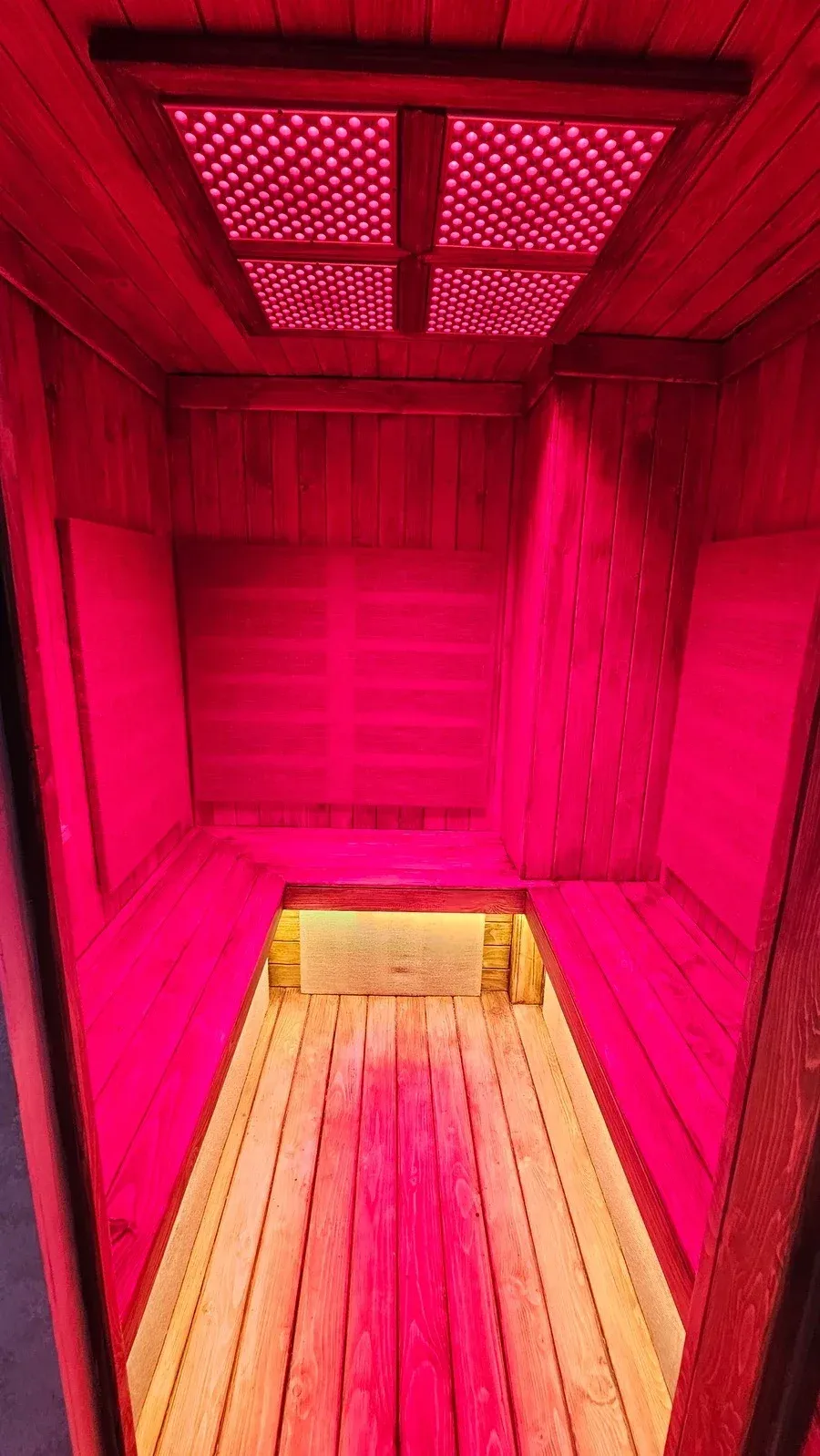
The strongest sauna data come from Finland: men who used a traditional sauna 4–7 times a week had lower rates of cardiovascular death than those who went once a week. It is an association, and it involved very hot Finnish saunas rather than infrared cabins. Cold water is a trade-off: short dips can leave people more alert, but in a 12-week study, 10-minute cold baths after every strength session meant smaller gains in muscle and strength than active recovery. People with heart conditions or high blood pressure should ask a doctor first. Practical guides: infrared vs Finnish sauna, ice baths and the Wim Hof method and contrast therapy (Ōmni Space); compared with floating: float therapy vs cold plunge.
Wearables and “orthosomnia”
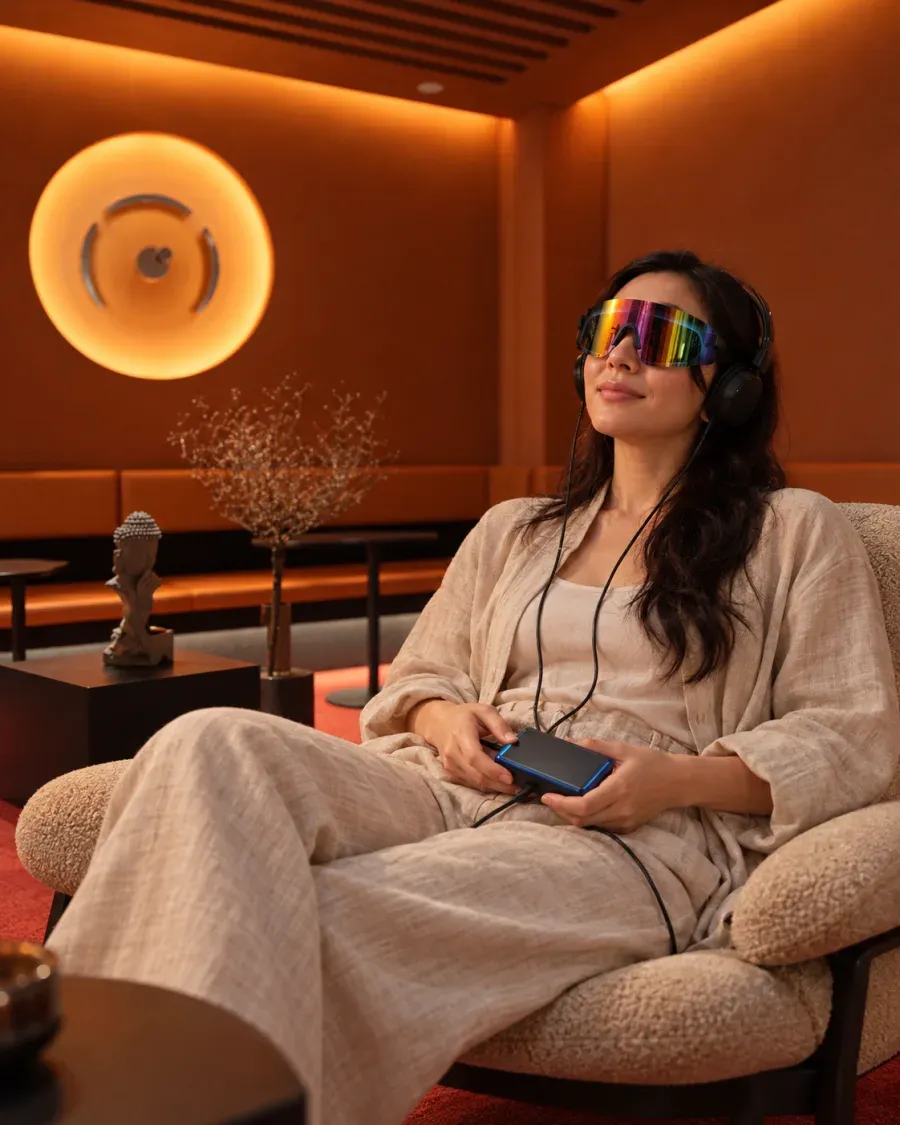
Wrist devices are fairly good at telling sleep from wake but poor at sleep stages. Researchers even have a name for anxiety about sleep scores, “orthosomnia” (Baron et al., 2017): the harder you chase a perfect score, the worse you sleep. Use the data for trends, not as a boss.
Nootropics, peptides and “research chemicals”
The best-studied “smart drug” is still caffeine. Modafinil is a prescription medicine. Most nootropic stacks sold online have little or no human data. Peptides such as BPC-157 have only a few small uncontrolled studies and are flagged by the FDA as carrying significant safety risks. Anything sold as “for research use only” does not belong in your body.
Biohacking in Vietnam: the trend and the risks
In Vietnam, biohacking shows up as NMN pills and IV drips, “detox” and “preventive blood filtering” packages, ice baths and saunas in gyms, wearables, whey and creatine. VietNamNet reported in July 2025 that NMN drip packages in Hanoi cost VND 90–200 million, with patients hospitalised after infusions at unlicensed clinics, while doctors said there was no clinical proof of benefit.
Fakes are a major risk: in 2025 Hanoi police seized about 100 tonnes of fake supplements, and in January 2026 another ring with revenue of about VND 1,800 billion was broken up. Under Decree 15/2018/NĐ-CP, health-food ads must state that the product “is not a medicine and does not replace medicine” and may not use images of doctors or medical staff. The amended Advertising Law (No. 75/2025/QH15, in force from 1 January 2026) requires influencers to check the products they promote and to label ads clearly. Before buying, check the product registration number and a clear origin.
For the wider picture on red light, IV drips and hyperbaric oxygen, see the recovery-tech section of the Vietnam wellness trends 2026 report from Ōmni Space.

Float therapy: the “subtraction” biohack
Most biohacking is addition: more pills, more data, more stimulation. Float therapy goes the other way and removes almost all input. In a float room, about 25 cm of water with about 500 kg of Epsom salt lets you float without effort, in darkness and silence. Nothing goes into your body and nothing is strapped to it. It is a young but active research field: a 2014 randomised trial of 65 healthy adults found less stress, anxiety and worst pain and better self-rated sleep after 12 floats (Kjellgren and Westman), and a 2018 study found a large drop in anxiety after a single session (Feinstein et al.). Floating is not a medical therapy and has nothing to do with “age reversal” or “detox”.

Read more: Swedish float research, the Laureate Institute studies and how often to float. For where to go in the city, see Ōmni Space’s biohacking in Ho Chi Minh City: where to go and what to book; first time in Vietnam? Read our guide for expats and travellers.
Starting right: the free foundations
Before paying for anything, get the basics right. They cost nothing and have the best evidence.
- Morning light: 10–20 minutes of daylight after waking helps anchor your body clock.
- Coffee timing: in one study, caffeine taken even 6 hours before bed cut sleep by more than an hour (Drake et al., 2013). Keep the iced coffee for the morning.
- Enough, regular sleep in a cool, dark, quiet room; earplugs or white noise against street noise.
- Strength training 2–3 times a week and enough protein from everyday meals.
- Drink enough water in the Saigon heat, and change only one thing at a time so you can tell what helps.
If sleep is your main goal, read float therapy for insomnia.
12 red flags of a dubious “biohack”
- Promises to “reverse ageing” or make you “10 years younger biologically”.
- Results from one person (often the seller) or self-published data.
- The expert recommending it also sells it.
- Drips, injections or blood filtering outside licensed hospitals.
- Peptides, SARMs or “research chemicals” bought online.
- Only mechanism evidence (“raises NAD+”, “activates sirtuins”) without real health outcomes.
- Products with no clear origin or registration number.
- Fast breathing or breath holds in or near water.
- Prescription drugs (rapamycin, metformin, modafinil, testosterone) without a doctor.
- Tracking so obsessively that it costs you sleep.
- Ads using doctors’ images or missing the “not a medicine” warning.
- Advice to drop proven care for a new hack.
Key sources
- Cappuccio et al. 2010, Sleep
- Morton et al. 2018, Br J Sports Med
- Kreider et al. 2017, J Int Soc Sports Nutr
- Laukkanen et al. 2015, JAMA Intern Med
- Roberts et al. 2015, J Physiol
- Yoshino et al. 2021, Science
- Chen et al. 2024, Curr Diab Rep
- Mumme & Stonehouse 2015, J Acad Nutr Diet
- de Cabo & Mattson 2019, NEJM
- Lowe et al. 2020, JAMA Intern Med
- Kox et al. 2014, PNAS
- Pacholec et al. 2010, J Biol Chem
- Baron et al. 2017, J Clin Sleep Med
- Drake et al. 2013, J Clin Sleep Med
- Kjellgren & Westman 2014, BMC Complement Altern Med
- Feinstein et al. 2018, PLOS ONE
- Garland et al. 2024, PLOS ONE
- Hilpert & Ster 2025, medRxiv (survey preprint)
Two biohacking topics covered in depth: what are nootropics and what are steroids and the “natty” debate.
Note: This page is for general information. Float therapy supports wellbeing but does not replace diagnosis or treatment by a doctor. If you have a medical condition, ask your doctor before floating.
Try it at Ōmni Space. Float Vietnam’s float rooms are at 16C Quoc Huong, Thao Dien, Ho Chi Minh City (Saigon), open daily 9:00–21:00. Book a float or read the float therapy FAQ.
Frequently asked questions
What is biohacking?
Biohacking is deliberately testing and measuring changes to lifestyle, diet or tools to improve sleep, energy, stress and long-term health. The best-supported parts are free habits: enough sleep, strength training and morning light.
Who is the “father of biohacking”?
There is no single founder. The word appears from the late 1980s and is tied to the DIY biology scene and the Quantified Self movement (2007). Dave Asprey is often called the “father of biohacking” by the media, but he did not coin the term.
Does NMN make you younger?
There is no evidence it does. NMN raises NAD+ in the blood, but human trials are small, and a 2024 meta-analysis found no effect on blood sugar or blood fats. No study shows NMN slows ageing.
Whey isolate or whey concentrate?
They have the same amino acids. Isolate has more protein per scoop and less lactose, which suits people sensitive to dairy; there is no evidence it builds more muscle at the same protein intake. Protein from everyday food counts too.
Is float therapy a form of biohacking?
You can think of it as a “subtraction” biohack: instead of adding pills or gadgets, floating removes almost all input so body and mind can rest deeply. Small trials show short-term drops in stress and anxiety; it is a way to rest, not a medical therapy.