Updated: 11 Oct 2026 · By Float Vietnam
Key takeaways
- Reiki is a Japanese energy-based practice in which a practitioner places hands lightly on or just above the body. Many people find it relaxing, but reviews find too little high-quality evidence to say it works beyond that.
- Float therapy (floatation-REST) relaxes the body through physical conditions: buoyant Epsom salt water, darkness and quiet. Controlled studies report lower stress and anxiety.
- You can enjoy both as separate experiences. Neither replaces medical or psychological care, and Ōmni Space offers floating, not Reiki.
Quick answer: Float therapy and Reiki are both used for deep relaxation, but they work differently. Floating relies on physical conditions, effortless buoyancy, darkness and silence, and has research on stress and anxiety. Reiki is an energy-based practice delivered by a practitioner; people often find it calming, but evidence beyond relaxation is lacking.
What is Reiki?
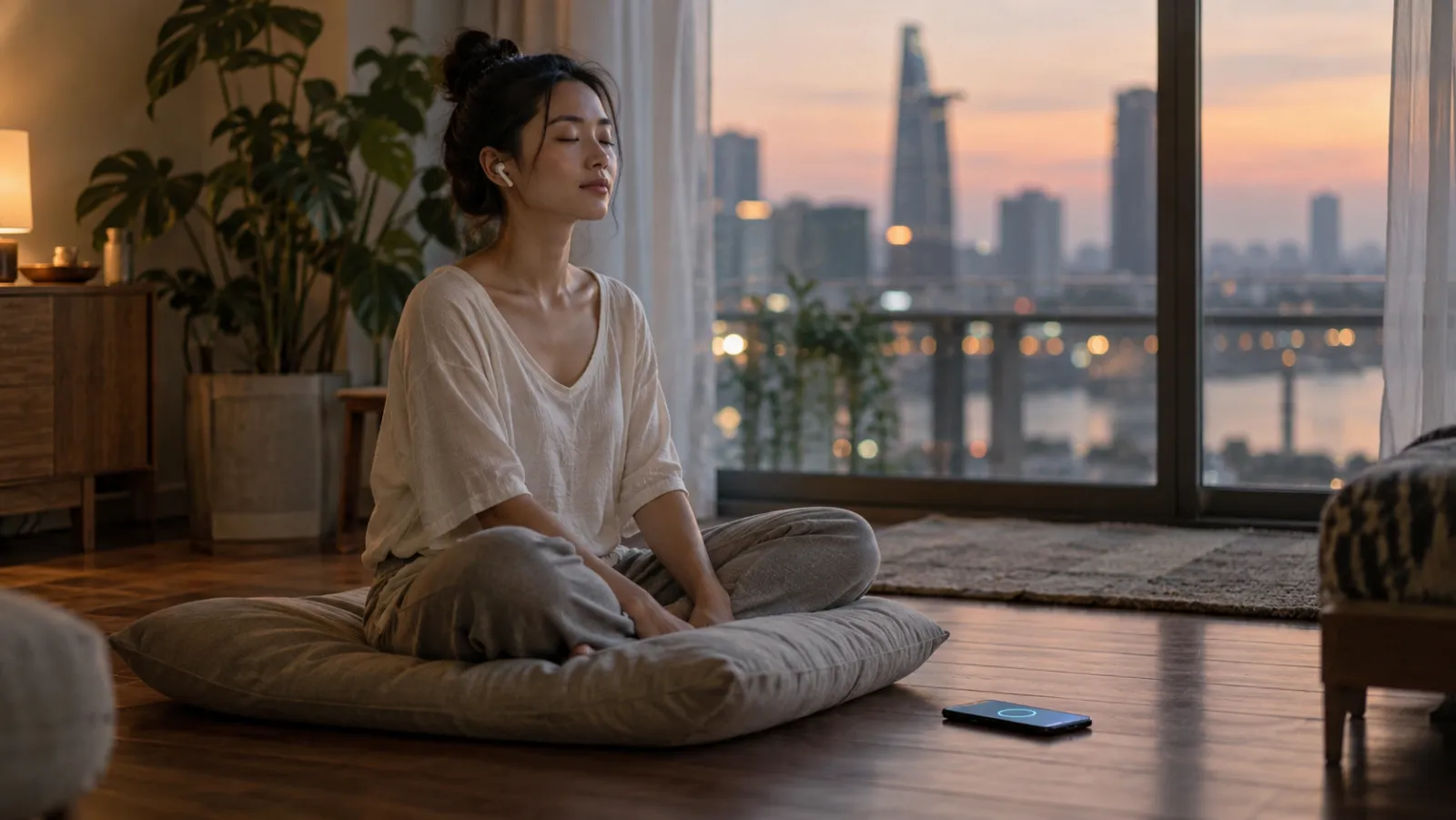
Reiki is a complementary practice that developed in Japan in the early 20th century and is usually credited to Mikao Usui. In a typical session you lie or sit fully clothed while a practitioner places their hands lightly on, or just above, different areas of your body, often for a few minutes at each position. There is no massage or manipulation. Practitioners describe their role as channelling a universal life energy to support the person’s own balance and wellbeing; the word itself is often translated as “universal life energy”. Sessions are usually quiet and slow, sometimes with soft music, and last around 45 to 90 minutes. Many people describe warmth, tingling or a deep sense of calm, and those experiences are real for them. What science has not found is the energy field that Reiki is based on. The US National Center for Complementary and Integrative Health (NCCIH) states that there is no scientific evidence supporting the existence of that energy field.
What does the research say about Reiki?
Reiki has been studied for pain, anxiety, depression and other conditions, but most of the research is small and of low quality. A Cochrane systematic review by Joyce and Herbison (2015), titled “Reiki for depression and anxiety”, searched for randomised trials in adults and found only three eligible studies, with very few participants who actually had anxiety or depression. The results showed no evidence that Reiki was either beneficial or harmful, and the authors concluded that there is insufficient evidence to say whether Reiki is useful for these conditions. Interestingly, one of the authors is a Reiki teacher, which makes the cautious conclusion more notable. NCCIH similarly notes that Reiki has not been shown to be effective for any health-related purpose and that study results have been inconsistent. On the positive side, Reiki has not been shown to have harmful effects. The main risk is indirect: delaying proper care because of hopes placed in the practice.
What is float therapy, and what is the evidence?
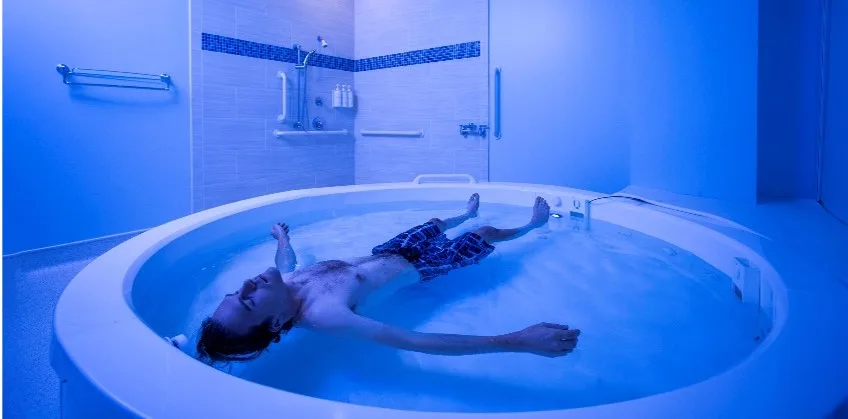
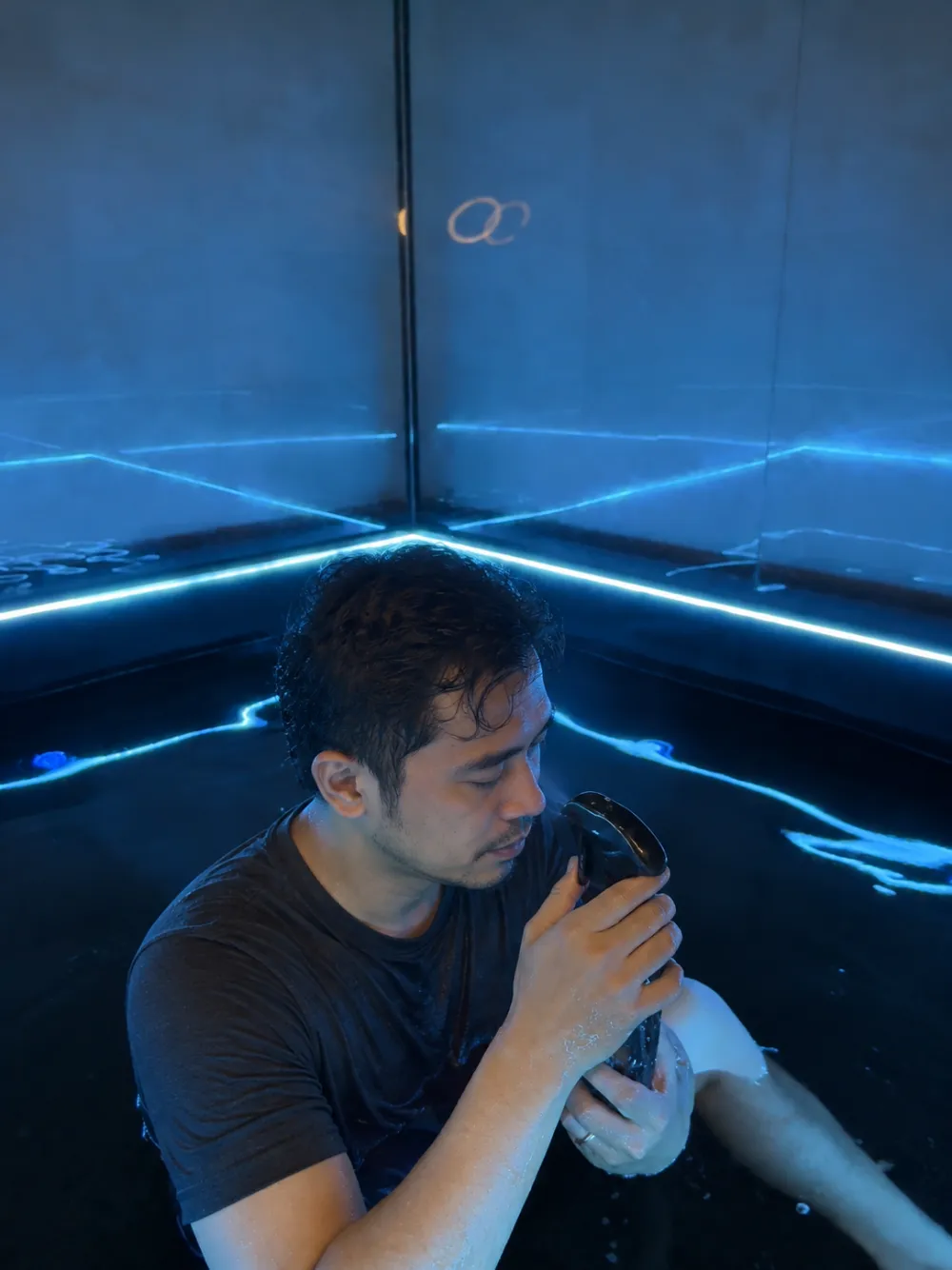
Float therapy, known in research as floatation-REST, means lying in about 25 cm of water holding roughly 500 kg of dissolved Epsom salt, at around 34–35 °C, in a dark, quiet room. You float without effort, so the muscles that normally hold you up can rest, while light, sound and touch are reduced at the same time. The mechanism is physical and measurable: less sensory input and no need to balance tend to shift the body towards its rest-and-recover mode. Research is still modest in size but more developed than for Reiki. A 2005 meta-analysis by van Dierendonck and te Nijenhuis pooled 27 studies and found positive effects on stress-related physiology and well-being. Kjellgren and Westman (2014) ran a randomised pilot trial reporting lower stress and anxiety and better sleep. In 2018, Feinstein and colleagues reported a large drop in anxiety after one hour of floating in people with anxiety-related conditions, though that study had no control group.
For what to check before you book, read is float therapy safe? and the overview of scientific studies on floatation therapy.
How do float therapy and Reiki compare?
The clearest way to see the difference is to look at what each practice claims is happening. Reiki explains its effect through an energy that a practitioner directs, which has not been detected or measured. Float therapy explains its effect through conditions anyone can measure: water density, temperature, light and sound levels, and the body’s response, such as blood pressure and breathing rate. Both can lead to a similar feeling of deep calm, and some of that calm in each case probably comes from the same everyday ingredients: lying still, a quiet room, time set aside for yourself, and the expectation of feeling better. The other big difference is company. In Reiki, a practitioner is with you throughout, and the gentle attention of another person is part of the experience. In a float, you are entirely alone, in a private room, for 60 to 90 minutes. Some people love one and not the other, which is a matter of preference.
| Float therapy (floatation-REST) | Reiki | |
|---|---|---|
| What happens | You float alone on Epsom salt water in a dark, quiet room | A practitioner places hands on or just above your clothed body |
| Explanation offered | Reduced sensory input and gravity; physiological relaxation | Channelling of a universal life energy |
| Can the mechanism be measured? | Yes: water, light, sound and body responses | The proposed energy has not been detected |
| Evidence | Meta-analysis and small randomised trials on stress and anxiety | Cochrane review: insufficient evidence |
| Company | Alone, private room | Practitioner present throughout |
| Typical length | 60–90 minutes | About 45–90 minutes |
Can you combine float therapy and Reiki?
Yes, as separate experiences. Reiki cannot be done inside a float room, because you are alone in the dark and the practice needs a practitioner beside you. If you enjoy both, try each one on its own first so you know how your body responds. If you plan them on the same day, leave a gap in between, drink water, and avoid squeezing them into a rushed schedule; the point of both is unhurried rest. In the float itself you can borrow the attentive quality many people like in Reiki through simple practices: slowly scanning your attention from your feet to your head, or resting your attention on the breath. When choosing a Reiki practitioner, look for someone who is open about what Reiki is, makes no medical promises, and never suggests stopping medical care. Please note that Ōmni Space offers floating and other recovery add-ons, not Reiki, so you would need to book Reiki elsewhere.
Try these three meditation exercises for the float tank, or compare floating with another popular relaxation practice in floating sound bath vs float therapy.
Who should be careful before trying either?
Both practices are generally low risk, but a few situations call for care. If you live with depression, severe anxiety, trauma or another mental health condition, talk to your doctor or therapist first and see any relaxation practice as a complement to professional care, never a substitute. This matters most with practices that come with health claims, so be wary of anyone who presents Reiki, or floating, as an alternative to medication or therapy. For floating specifically, wait if you have open wounds or a fresh tattoo, an infectious illness or skin infection, or uncontrolled epilepsy, and check with your doctor if you are pregnant or have a heart condition, very low or high blood pressure, or a kidney problem. People who feel anxious in small spaces can usually float comfortably in an open pool with the door and lights under their own control, as at Ōmni Space. If in doubt, ask before you book; we are happy to answer questions.
Note: This page is for general information. Float therapy supports wellbeing but does not replace diagnosis or treatment by a doctor. If you have a medical condition, ask your doctor before floating.
Try it at Ōmni Space. Float Vietnam’s float rooms are at 16C Quoc Huong, Thao Dien, Ho Chi Minh City (Saigon), open daily 9:00–21:00. Book a float or read the float therapy FAQ.
Frequently asked questions
What is Reiki?
Reiki is a complementary practice from Japan in which a practitioner places hands lightly on or just above a clothed person to direct what practitioners call universal life energy. Many people find it relaxing, but that energy has not been scientifically detected.
Is there scientific evidence that Reiki works?
Not of high quality. A 2015 Cochrane review found insufficient evidence to say whether Reiki helps anxiety or depression, and NCCIH notes it has not been shown to be effective for any health purpose. It has not been shown to be harmful.
Is float therapy more evidence-based than Reiki?
Yes, though research is still modest. A 2005 meta-analysis and small randomised trials report lower stress and anxiety after floatation-REST, and the physical conditions behind it can be measured.
Can I do Reiki and float therapy on the same day?
You can, as two separate sessions, since Reiki cannot be done inside a float room. Leave time between them, drink water and keep the day unhurried. Ōmni Space offers floating but not Reiki.