Key takeaways
- In part 2 of VICE’s 2013 three-part series, correspondent Hamilton Morris spends five hours in a sensory deprivation tank at Isolation Floatation, a float centre in Colorado.
- The film is a personal, curious look at a very long float, not a scientific study. A normal session lasts 60–90 minutes.
- In Vietnam you can float at Ōmni Space in Thao Dien, Ho Chi Minh City, where Float Vietnam runs its float rooms.
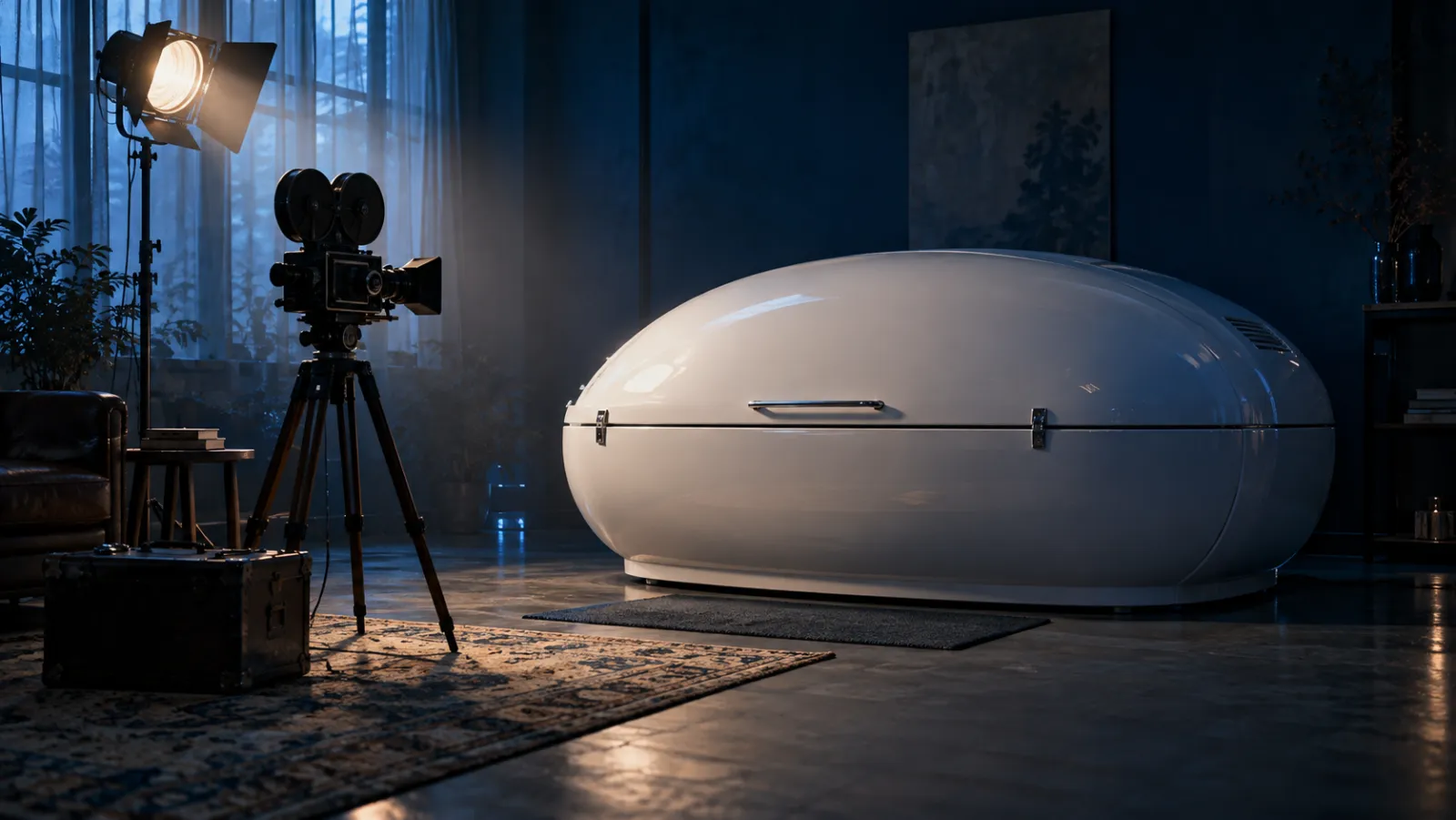
What happens when you remove almost every sense for five hours? That is the question behind this short VICE documentary, in which correspondent Hamilton Morris climbs into a float tank and stays far longer than most people ever do. Watch it below, then read how a typical float compares.
Watch: Sensory Deprivation Tanks, Part 2/3
In this nine-minute episode, released by VICE in 2013, Morris visits Isolation Floatation in Colorado, learns how the tanks work and why people use them, and then floats for five hours. By VICE’s own description, he comes out with more questions than answers. Parts 1 and 3 of the series are on VICE’s YouTube channel.
Why the documentary is worth watching
The film is useful because it is honest. It shows a float as a strange, quiet, very personal experience rather than a miracle cure. Five hours is an extreme test: most people spend the first part of any float settling in, noticing thoughts and getting used to the silence, and a long session magnifies that. It is a good reminder that floating is an experience you get to know over several sessions.
What is a sensory deprivation tank?
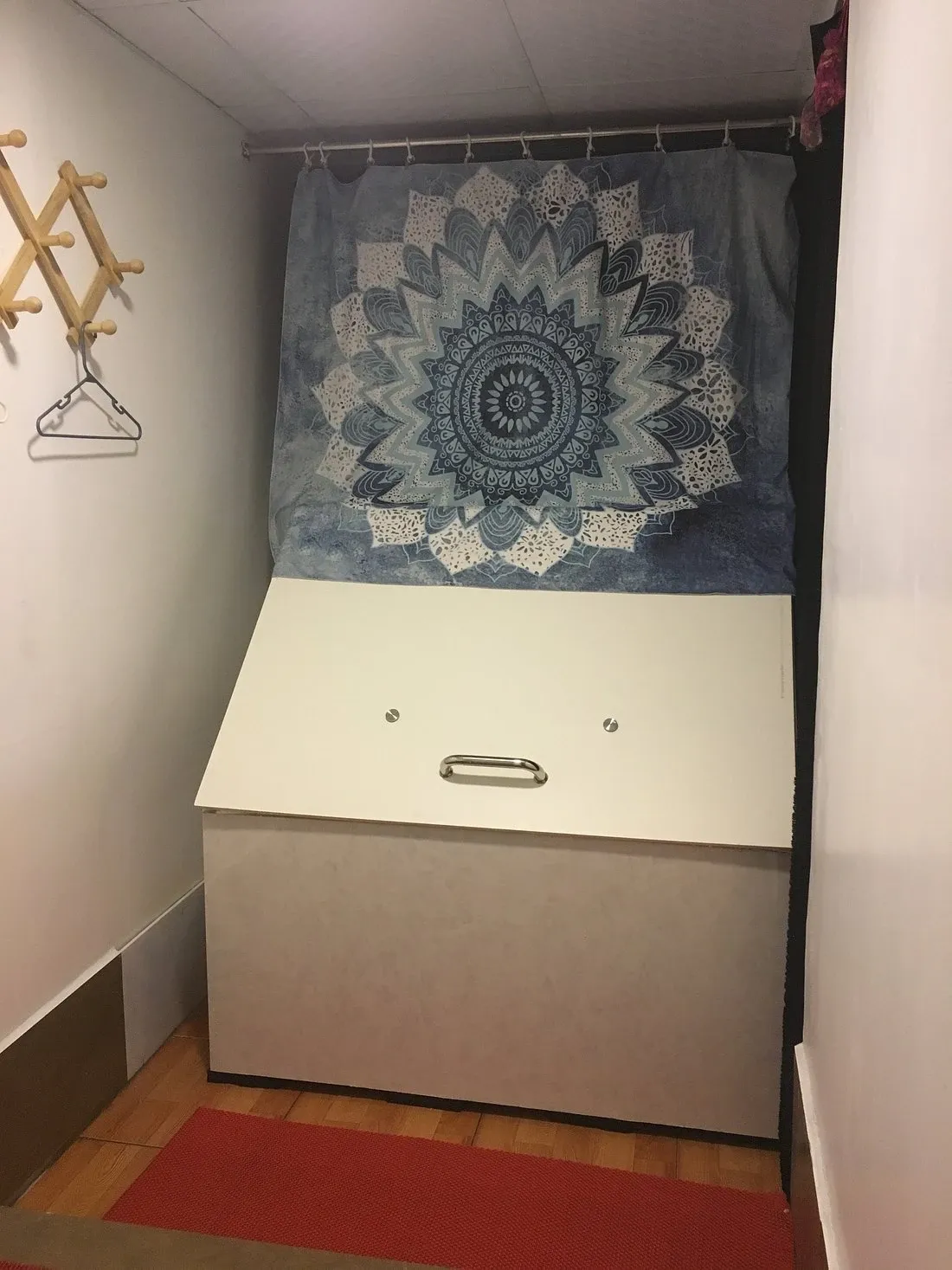
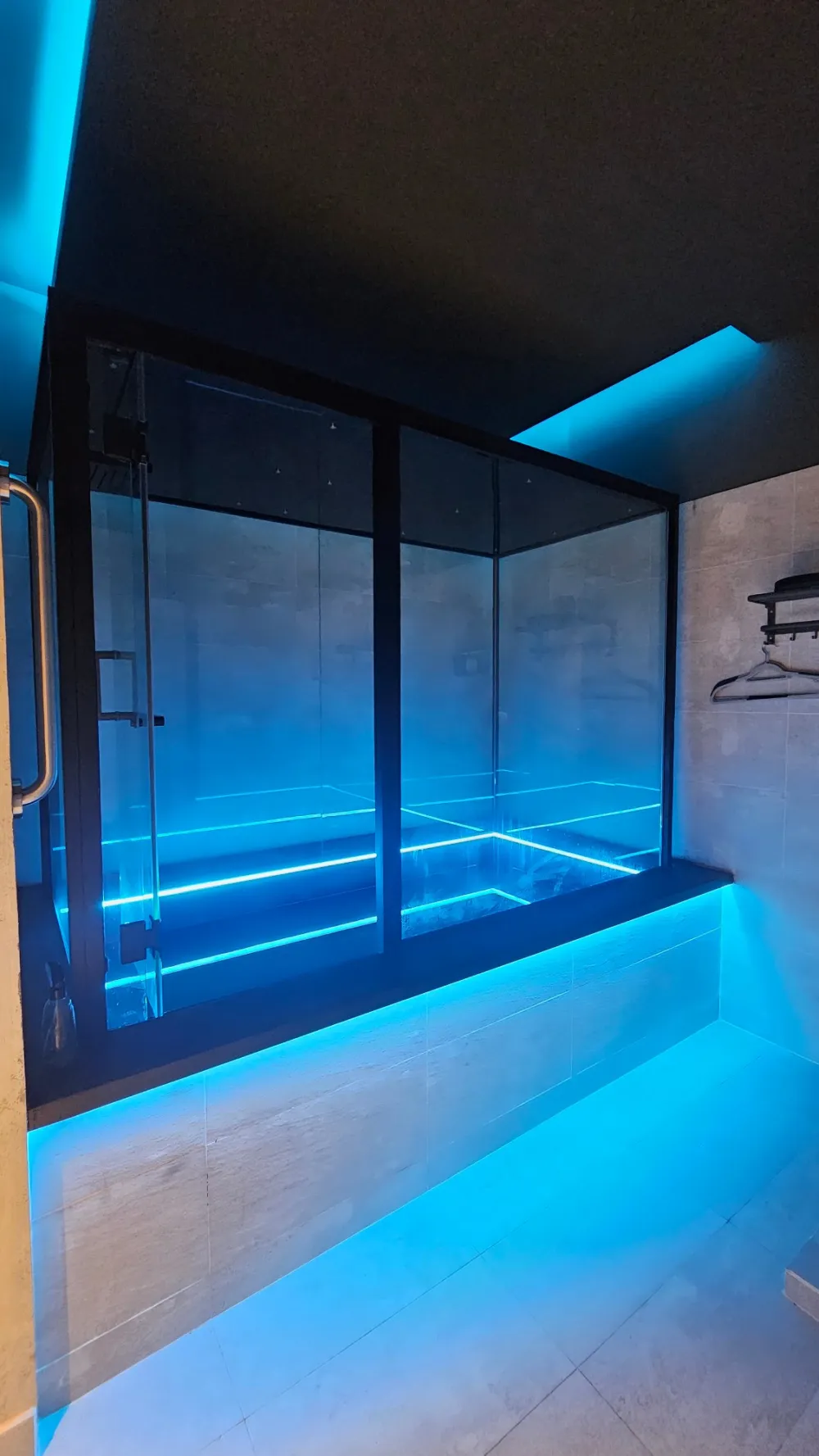
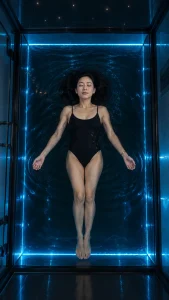
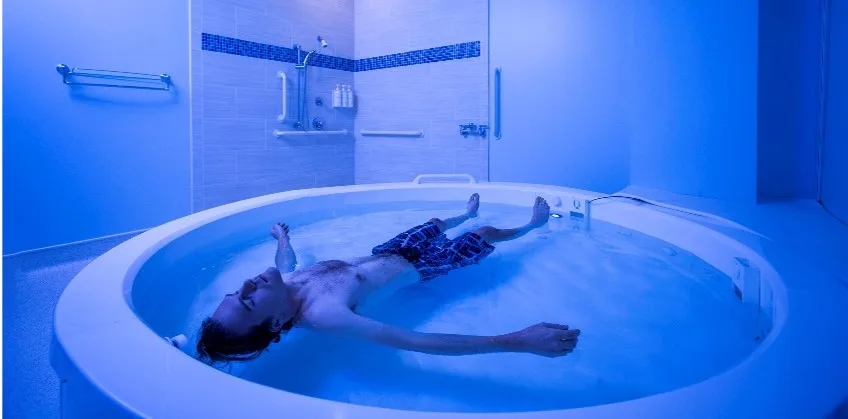
The isolation tank was invented by neuroscientist John C. Lilly in 1954 at the US National Institute of Mental Health. A modern float tank or float room holds about 25 cm of water with roughly 500 kg of dissolved Epsom salt, kept at skin temperature. The water is so dense that you float on your back without effort, while the dark, sound-proofed space removes most outside stimulation. Researchers call this floatation-REST (Reduced Environmental Stimulation Therapy). Read more in What is float therapy? and Sensory deprivation tanks: everything you need to know.
How a normal float differs from the film
- Length: most sessions are 60–90 minutes, and 90 minutes is ideal for a first float, not five hours.
- Control: you can open the door, turn on a light or sit up at any time.
- Getting used to it: many people need two or three floats before the mind fully settles. See how often to float.
- Why people float: stress relief, deeper rest and sleep, muscle recovery and meditation.
Floating in Vietnam
Float Vietnam brought float therapy to Vietnam in 2017. Today our float rooms are at Ōmni Space, 16C Quoc Huong, Thao Dien, Thu Duc City, Ho Chi Minh City, open daily from 9:00 to 21:00. Float Hanoi is temporarily closed. If you are curious after watching the film, start with a 90-minute float and read the float FAQ before you come.
Want to try it in Vietnam? See float therapy in Saigon at Ōmni Space and what the experience feels like.
Try it at Ōmni Space. Float Vietnam’s float rooms are at 16C Quoc Huong, Thao Dien, Ho Chi Minh City (Saigon), open daily 9:00–21:00. Book a float or read the float therapy FAQ.
Frequently asked questions
What is the VICE sensory deprivation documentary about?
It is a 2013 three-part VICE series in which correspondent Hamilton Morris explores sensory deprivation tanks. In part 2 he spends five hours in a tank at Isolation Floatation in Colorado.
How long does a normal float session last?
Most float sessions last 60 to 90 minutes, and 90 minutes is recommended for beginners. The five-hour float in the documentary is far longer than usual.
Where can I try a sensory deprivation tank in Vietnam?
You can float at Ōmni Space, 16C Quoc Huong, Thao Dien, Ho Chi Minh City, open daily from 9:00 to 21:00. Float Hanoi is temporarily closed.