Key takeaways
- A step-by-step reading path, from “what is float therapy?” to walking into a float room.
- Each stage answers one question first-timers often ask and links to Float Vietnam’s detailed guides.
- Short on time? Read three: what float therapy is, whether it is safe, and what to wear and bring.
Quick answer: Explore float therapy in seven stages: understand what it is, learn the types of float tanks, tell it apart from look-alikes, see what research says, check safety and what it feels like, prepare for your first session, then choose where to float. Each stage below links to a detailed guide.
Where are you on your float journey?
People come to floating with different questions. Some heard about it from a friend, some want to sleep better, and some tried a “float” somewhere and wonder how the real thing differs. Use the table to start in the right place.
| Your question | Stage | Read first |
|---|---|---|
| What is float therapy, and does it work? | 1. The basics | What is float therapy |
| Pod, cabin or float room: which is “real”? | 2. Tank types | Types of float tanks |
| Is dry float or a floating sound bath the same? | 3. Look-alikes | What is dry float |
| What can it do for stress, sleep and recovery? | 4. Benefits | Sensory deprivation tank benefits |
| Is it safe? Will I feel scared? | 5. Safety & feel | Is float therapy safe? |
| How do I prepare for my first float? | 6. Preparation | What to wear and bring |
| Where can I float, and what does it cost? | 7. Experience | Float therapy in Saigon |
Stage 1: What is float therapy?
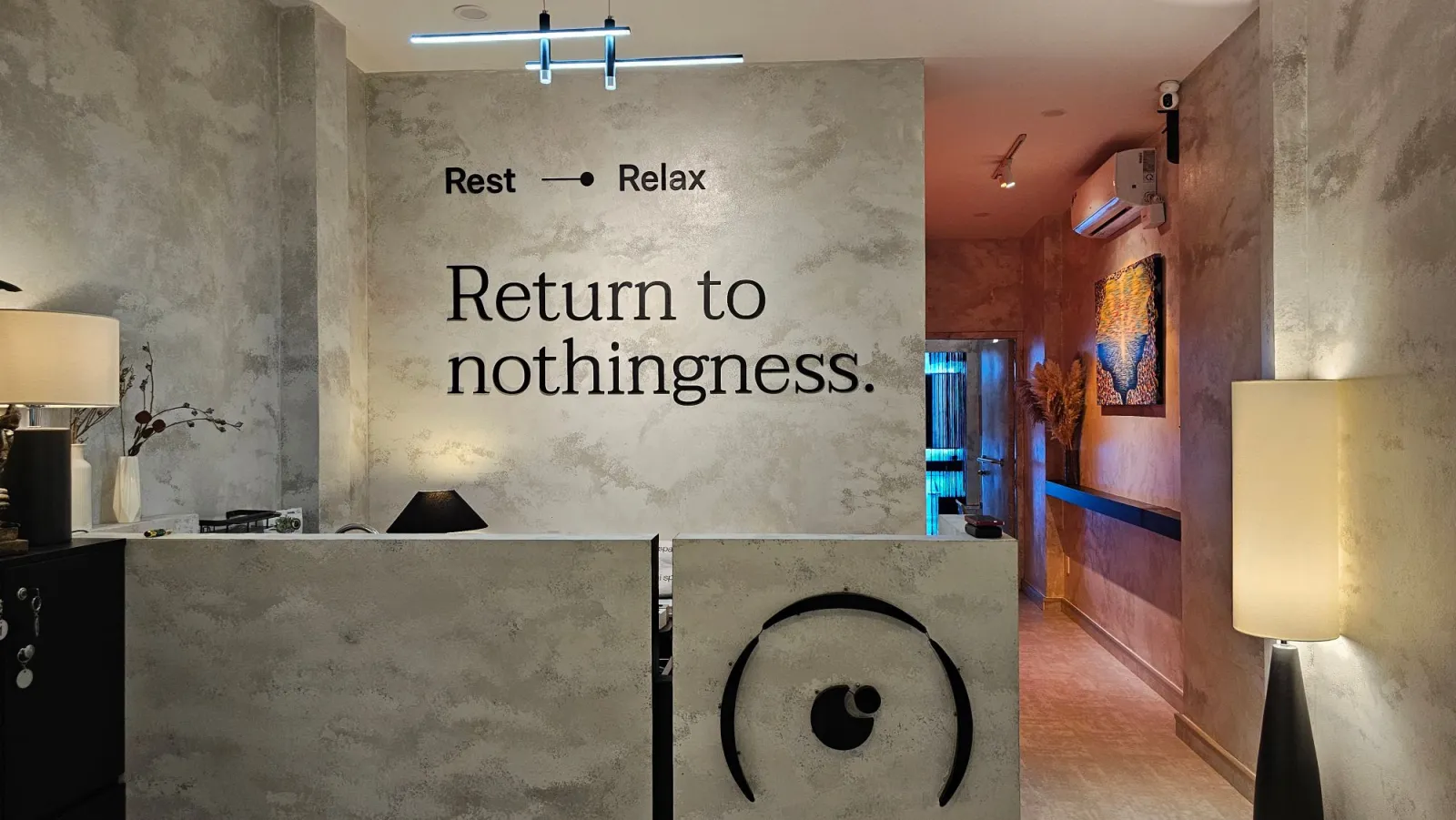
Float therapy (floatation-REST) means lying on your back in about 25 cm of water with around 500 kg of Epsom salt dissolved in it, warmed to roughly skin temperature, in a dark and quiet space. The water is so dense that you float without effort, so your body and nervous system receive far less input than usual. Float Vietnam introduced floating to Vietnam in 2017. For the full evidence review with 34 references, read the whitepaper.
- What is float therapy?
- Sensory deprivation tanks: everything you need to know
- Float Therapy Whitepaper 2026 (free PDF)
Stage 2: What types of float tanks are there?
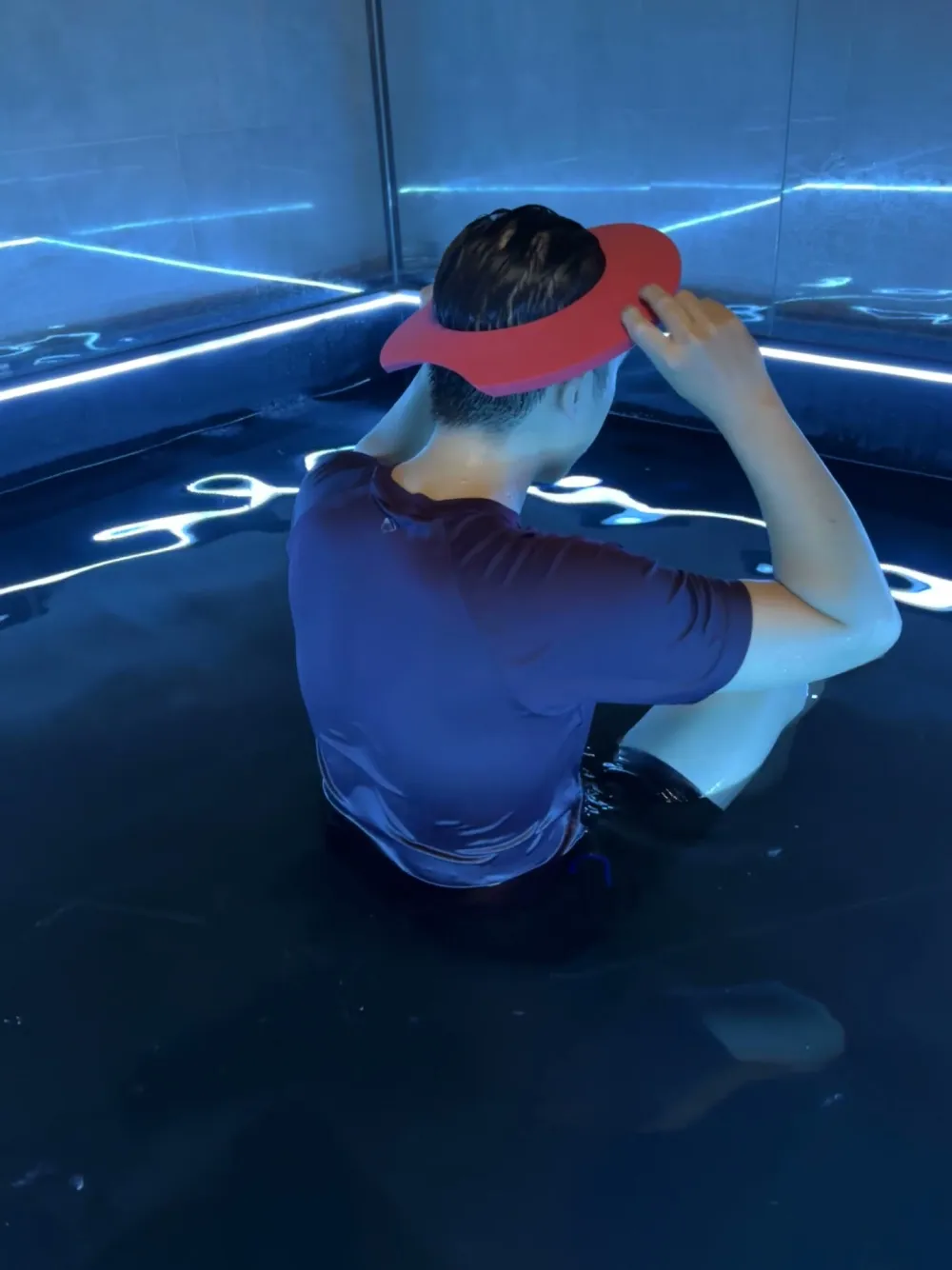
Float tanks come as Samadhi-style boxes, pods, walk-in cabins and open pools in private rooms (float rooms). What makes it float therapy is dense salt water, darkness and silence, not the shape of the shell. No published study shows pods work better than float rooms; a well-known anxiety study even used an open pool in a soundproof room to reduce claustrophobia. Float Vietnam has used all three generations: self-built Samadhi-style tanks in Hanoi, an enclosed cabin in Saigon, and now open pools behind soundproof glass at Ōmni Space.
- Types of float tanks compared
- Float pod vs float room: which is better?
- Float Vietnam’s three generations of float tanks
Stage 3: How is float therapy different from dry float, sound baths, massage or sauna?
Not everything with “float” in the name is float therapy. Dry float means lying on a water-filled bed without touching salt water, usually without full darkness or silence. A floating sound bath adds sound on purpose, while float therapy reduces stimulation. Massage and sauna relax you too, but in different ways. Knowing the difference helps you choose what you actually need.
- What is dry float?
- Floating sound bath vs float therapy
- Float vs massage vs sauna
- Float therapy vs CBD vs painkillers
Stage 4: What does research say about the benefits?
The most consistent finding is a short-term drop in stress and anxiety. Evidence for stress-related muscle pain and athletic recovery is preliminary, and for sleep it is limited and mixed. Most studies are small, so Float Vietnam always reports how strong the evidence is. Floating complements, and does not replace, medical care.
- Sensory deprivation tank benefits: the evidence
- Scientific studies on floatation therapy
- Float tank meditation
- Theta waves and float therapy
Stage 5: Is it safe, and what does it feel like?
For most healthy adults floating is low-risk: you cannot sink, and the water is filtered and sanitised between sessions. Do not float with open wounds, uncontrolled epilepsy or after drinking alcohol; ask a doctor first if you have heart or kidney conditions or are pregnant. The first ten minutes are for settling in; then the body lets go and many people drift into a dreamy state. If small spaces worry you, an open float room is usually easier.
- Is float therapy safe?
- What a sensory deprivation tank feels like
- Floating with claustrophobia
- Can you float on your period?
- Floating during pregnancy
Stage 6: How should you prepare for your first float?
Eat lightly one to two hours before, go easy on coffee, avoid shaving right before, and remove contact lenses and jewellery. You do not need swimwear because the room is completely private. Beginners do best with 90 minutes; two or three floats a month for the first few months help you relax faster.
- What to wear and bring to float therapy
- How often should you float?
- What if you fall asleep?
- Float therapy FAQ
Stage 7: Where can you float in Vietnam?
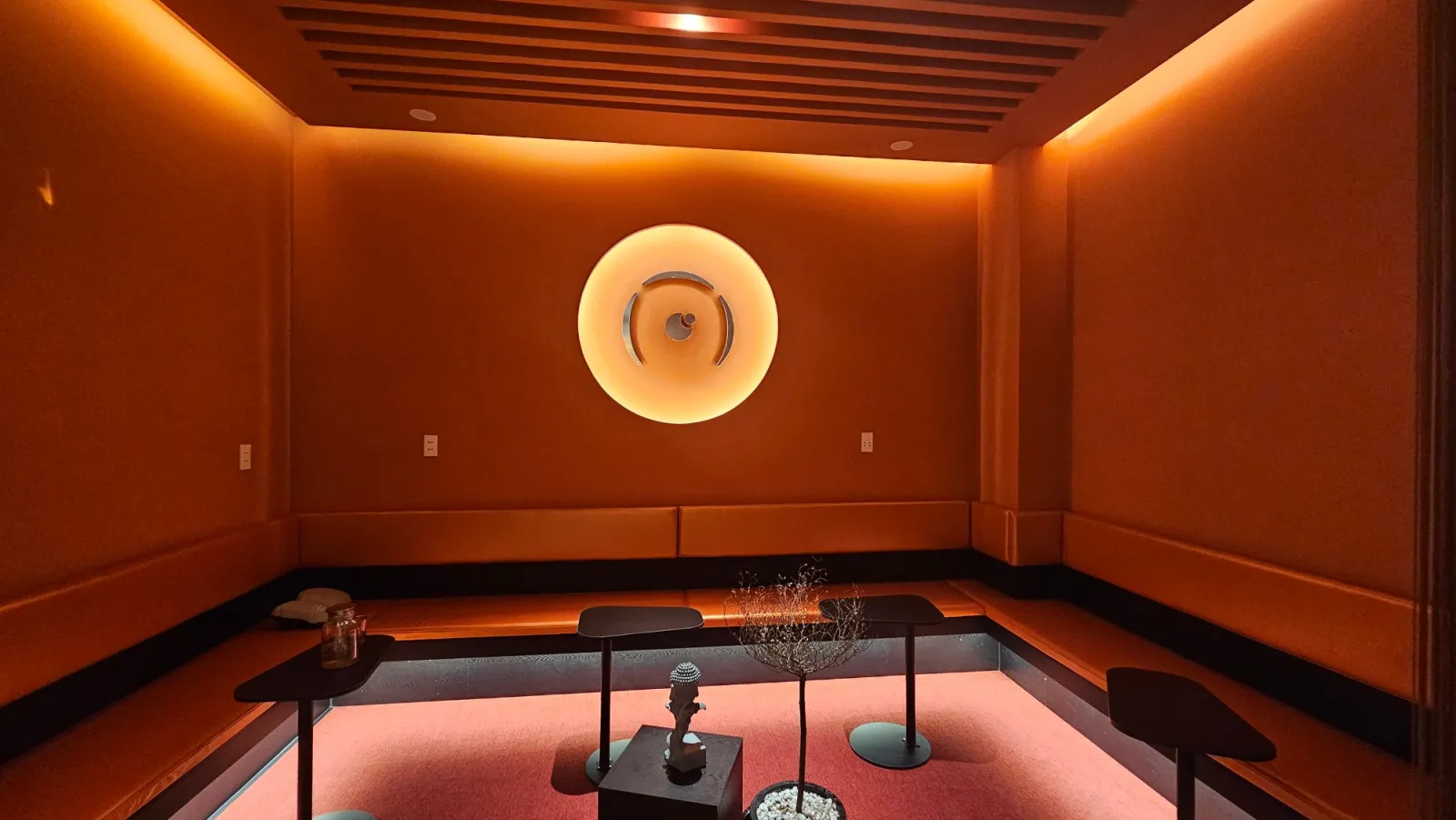
Float Vietnam’s sessions now run at Ōmni Space, 16C Quoc Huong, Thao Dien, Thu Duc City, Ho Chi Minh City, open daily 9:00–21:00. There is a single room (rectangular pool) and a couple room (square pool); each has a private shower, an open pool behind soundproof, fully light-blocking glass doors, and lighting you control. Prices, the intro package and availability are on the pages below.
Go deeper: what is sensory deprivation, brainwaves explained and float therapy for back pain.
Try it at Ōmni Space. Float Vietnam’s float rooms are at 16C Quoc Huong, Thao Dien, Ho Chi Minh City (Saigon), open daily 9:00–21:00. Book a float or read the float therapy FAQ.
Frequently asked questions
What should I read before my first float?
Three guides are enough: what float therapy is, whether it is safe, and what to wear and bring. If small spaces worry you, add float pod vs float room.
Is a float room “real” float therapy?
Yes. The industry standard treats float rooms, pods and cabins as the same thing; what matters is correctly dense salt water near skin temperature, darkness and silence.
Can dry float replace float therapy?
Not really. Dry float has no buoyancy in salt water and usually little sensory reduction, so it is a different kind of relaxation.