Chuyên mụcCategory
meditation
-

Why Silence Is So Good for Your Brain: 4 Science-Based Reasons
A 2011 World Health Organization report called noise pollution a modern plague with adverse effects on population health.
-

Spiritual Experiences in a Float Tank: What People Report and Why
Float tanks were created in the 1950s by Dr. John C. Lilly, who wanted to explore human consciousness free of outside stimuli.
-

Float Therapy for Stress, Anxiety and Low Mood: What a 2014 Trial Found
A study in BMC Complementary and Alternative Medicine found flotation therapy substantially reduced stress, anxiety, depression and pain while improving sleep quality and mood.
-

Float Therapy for Anxiety: What the Research Shows
Neuroscientist Justin Feinstein is pioneering the float tank as a non-prescription, non-invasive treatment for anxiety and depression.
-

How Floating Changed One Writer’s Life: A First-Timer’s Story
The author tried floating to escape city anxiety after learning it was developed in 1954 by neuropsychiatrist John C. Lilly.
-
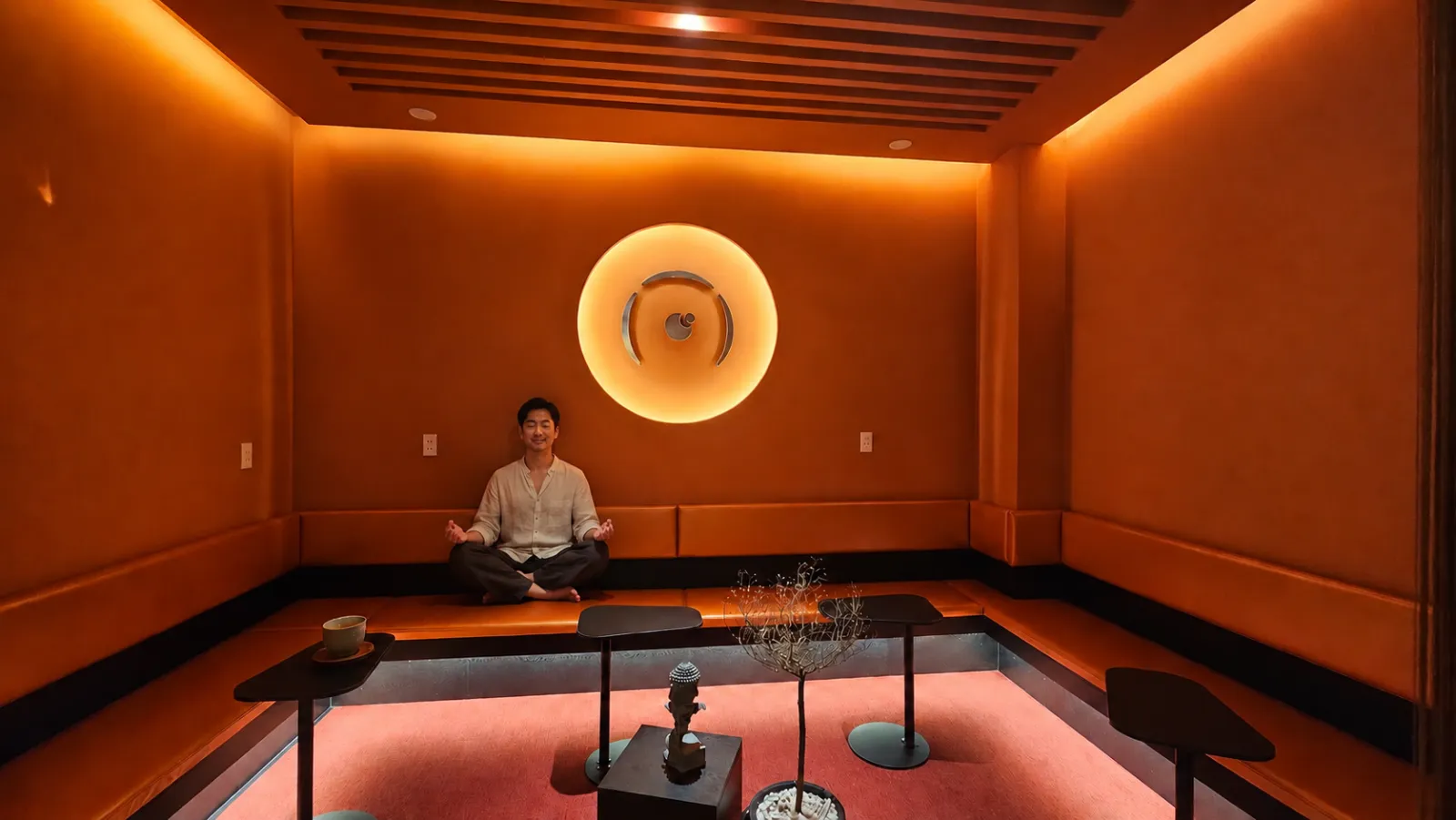
3 Meditation Exercises to Try in the Float Tank
The float tank is an ideal environment for deep meditation and can help intermediate floaters reach the theta mindset more quickly.
-

Why Floating Works: Seven Theories and What the Evidence Says
The antigravity theory holds that Epsom salt buoyancy frees the brain and skeleton from gravity, releasing energy for mind and enhanced awareness.
-

How to Float: 10 Float Tank Tips from a Meditator
A float tank holds about a foot of skin temperature water saturated with roughly 700 pounds of Epsom salt, so you float effortlessly.
-

Float Tank Meditation: Why Floating Is Fast-Track Meditation
In the float tank, salt-dense water at body temperature supports you in darkness and silence, making it easy to focus on your breathing.
-

What 100 Hours in a Float Tank Taught One Floater
A sensory deprivation pod holds about 12 inches of body-temperature water with 800 to 1,000 pounds of Epsom salt, so you float in darkness…